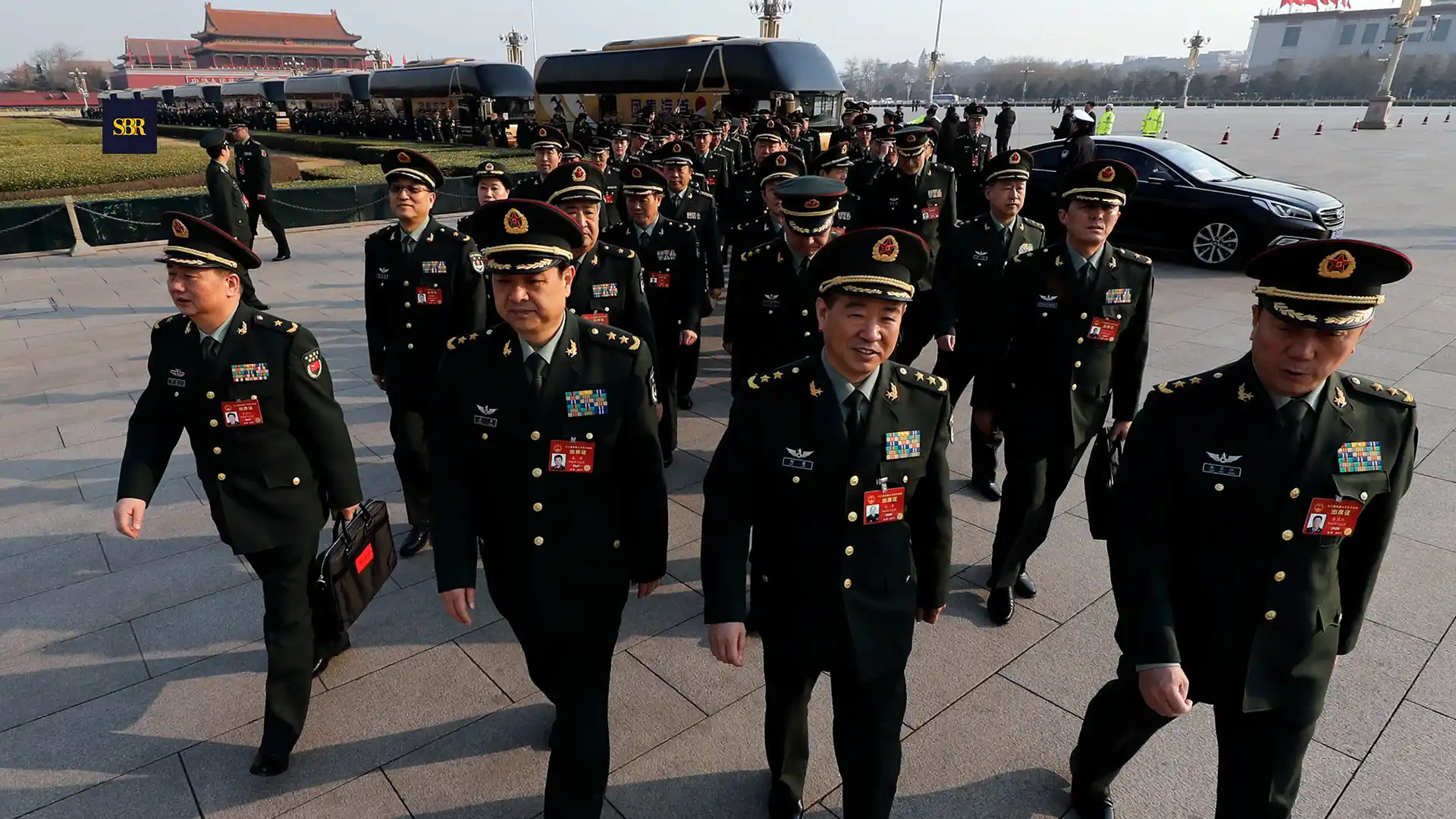
BEIJING, March 5, 2026 — China announced a 7% increase in its defense budget for 2026, continuing a multi-year record of planned growth presented during the annual session of the National People’s Congress in Beijing.
The new allocation follows a 7.2% increase in 2025 and reflects consistent year over year funding for military modernization, training programs, equipment procurement, and research initiatives. Officials said the budget supports efforts to strengthen readiness across multiple branches of the armed forces while maintaining alignment with broader national development goals.
Premier Li Qiang presented the government’s annual work report to delegates, outlining fiscal priorities and policy objectives for the year. In the report, he said the government will strengthen combat readiness and support the development of advanced military capabilities. The statement underscored continuity in defense planning under the leadership of Xi Jinping, who oversees the country’s armed forces.
Defense Budget Presented to Lawmakers
The defense allocation was introduced as part of the national budget package reviewed during the legislative session. Delegates of the National People’s Congress evaluate government spending proposals each year before formal approval.
The 7% increase keeps defense funding on a growth path while economic planners pursue development targets for the broader economy. Officials described the spending plan as consistent with national priorities and long-term strategic objectives. Defense expenditure remains a defined portion of the state budget, and authorities said resources will support training exercises, maintenance, and modernization programs across services.
The annual disclosure provides a public reference point for international observers who monitor military investment levels. Although China does not release detailed breakdowns of every category within defense spending, the published figure reflects the government’s commitment to ongoing investment in capabilities and personnel.

Modernization and Capability Development
Military modernization has remained a central policy focus of the Chinese government for more than a decade. The funding supports upgrades across naval, air, ground, space, and cyber domains, along with research designed to strengthen domestic production of advanced equipment.
China has expanded naval construction, including new surface vessels and ongoing development of aviation platforms. Investments also support missile systems and integrated command structures intended to improve coordination among branches of the armed forces. Officials have described these efforts as part of a comprehensive modernization strategy designed to support national defense responsibilities.
Reforms within the military have included organizational adjustments and oversight measures intended to improve efficiency and accountability. Leaders have stated that such steps contribute to disciplined management of resources and sustained professional development within the armed forces.
The modernization program has unfolded alongside broader economic development. Government planners have worked to ensure that defense funding aligns with national fiscal targets, balancing security requirements with other spending priorities.
Regional Security Context
Defense budget announcements in China are followed closely throughout Asia, where governments track military developments as part of their regional planning processes. The spending increase comes amid ongoing discussions about security conditions in the region.
Taiwan and Cross Strait Relations: Taiwan remains a key element in regional security considerations. Beijing regards the island as part of its territory and has stated that it prefers peaceful reunification. Military exercises near Taiwan have drawn international attention, and officials describe them as routine training activities consistent with national defense planning.
Regional analysts note that cross strait developments influence defense preparations across neighboring countries. Governments in the region continue to evaluate their own security arrangements while monitoring public budget disclosures from Beijing.
Maritime Security in the South China Sea: The South China Sea is another area of regional focus. Several countries maintain overlapping claims in the region, and naval presence and infrastructure projects have attracted scrutiny. China asserts sovereignty over much of the area, while other governments reference international legal rulings that Beijing does not recognize.
Maritime activity in the region forms part of broader security discussions across Asia. Defense funding supports training and operational readiness that contribute to national security objectives, including protection of maritime interests and participation in regional stability efforts.
Fiscal Planning and Economic Context
The defense budget announcement accompanied broader fiscal measures presented during the legislative session. China has set moderate growth targets for the year as policymakers address domestic economic conditions and long-term structural adjustments.
Government leaders said security planning and economic development proceed together within national strategy. The budget reflects this framework, providing funding for defense programs while supporting wider fiscal goals approved by the legislature.
Once endorsed by delegates of the National People’s Congress, the budget becomes official policy for the year. Implementation will guide procurement schedules, training initiatives, and research projects across the armed forces.
International observers often reference the annual figures as part of broader assessments of global defense trends. Reporting from Reuters highlighted that the 7% increase continues a consistent pattern of planned investment in military development.
China’s defense spending remains one of the largest in the world, reflecting the size of its economy and its long-term modernization objectives. Officials have described the annual increases as part of sustained investment in readiness, training, and advanced capabilities designed to support national interests and regional engagement.
The 2026 allocation maintains continuity in fiscal planning and underscores the role of defense spending within the country’s broader development framework. As lawmakers conclude their review of the national budget, the defense measure stands as a significant component of policy decisions approved during the annual session in Beijing, reinforcing ongoing investment in military modernization and capability development.
The 7% increase keeps defense funding on a growth path while economic planners pursue development targets for the broader economy.






.webp)