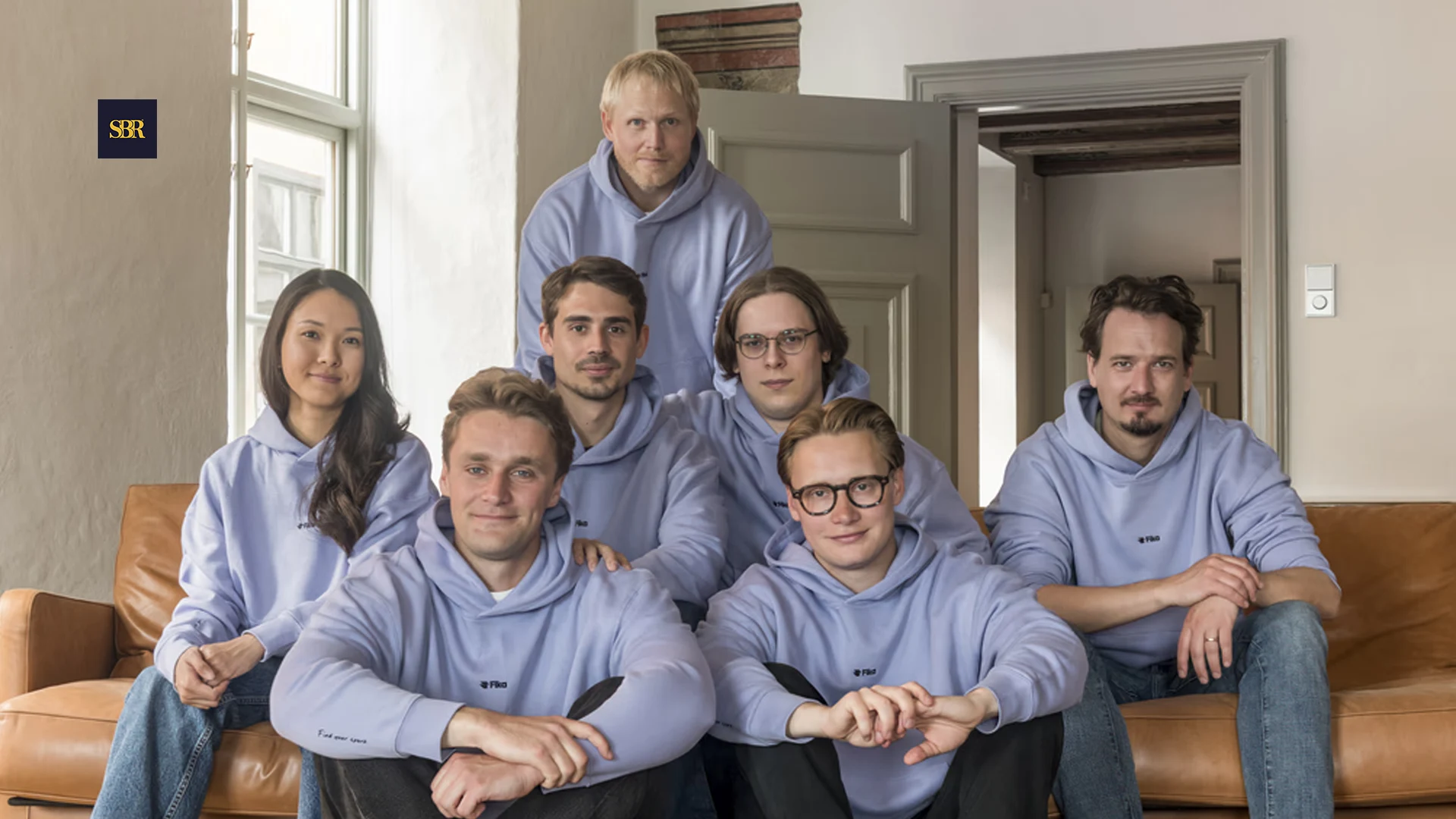
STOCKHOLM, Sweden, June 23, 2026 — Recruitment has long relied on resumes, cover letters, and multiple screening rounds. Yet many employers have experienced situations where outstanding candidates were overlooked because their credentials failed to stand out on paper. The Stockholm-based startup, Fika Jobs, is building a video-first hiring platform powered by artificial intelligence to tackle that challenge. The startup announced a $4 million pre-seed funding round on Tuesday, led by Luminar Ventures, with participation from Alliance VC and gaming entrepreneurs Sebastian Knutsson and Riccardo Zacconi.
The investment will support platform development and preparations for a wider launch later in 2026. According to the company, more than 100 businesses have already joined a waitlist, while over 50 organizations have tested the platform. Among those cited are Plenty Labs, SICS.ai, Kognity, and Rebtel.
Fika Jobs enters a recruitment technology sector where AI tools are already helping employers source candidates, review applications, and identify potential matches. Rather than focusing solely on employer-side screening, the company is building a destination where candidates maintain dynamic video profiles that can be viewed by multiple employers over time.
Video Profiles Replace Traditional Applications
The platform begins with candidates connecting their LinkedIn profiles. Artificial intelligence then reviews professional history and generates interview questions tailored to each individual. Candidates participate in a video interview lasting roughly ten minutes, conducted by an AI interviewer powered by Google's Gemini technology.
Following the interview, the system converts responses into shorter clips and organizes them into a profile. Employers browsing the platform can review these clips instead of relying exclusively on resumes and written applications.
This structure changes one of the most familiar aspects of recruitment. Rather than submitting applications repeatedly for every vacancy, candidates maintain a profile that remains available for discovery. Employers can revisit profiles whenever suitable openings emerge.
The concept was inspired by the experiences of co-founders Jakob Dubois and Alexander Dubois while building a previous venture. According to Jakob Dubois, a candidate whose resume appeared unremarkable eventually proved highly impressive during conversation, revealing determination and ambition that were not visible in written credentials. That experience helped shape the belief that important qualities often fail to appear on a traditional resume.

Communication Skills Gain Greater Visibility
Video-first recruitment allows employers to assess communication skills earlier in the hiring process. Written applications often reveal educational background, work history, and technical qualifications, but they may reveal less about how a candidate presents ideas or interacts with others.
For early-career professionals and individuals from unconventional backgrounds, video interviews may provide opportunities to demonstrate strengths that would otherwise remain hidden. Employers may gain insight into presentation style, enthusiasm, and interpersonal qualities before scheduling further discussions.
Studies examining AI-assisted recruitment have suggested that structured interviews conducted through intelligent systems can provide valuable information during candidate evaluation. Supporters argue that standardized questioning can help employers compare applicants more consistently while reducing some of the inefficiencies associated with traditional screening methods.
At the same time, many organizations remain cautious about allowing artificial intelligence to make hiring decisions independently. Human judgment still plays an important role when evaluating nuanced qualities, cultural fit, and role-specific capabilities.
Fika Jobs appears to view AI interviews as one component of recruitment rather than a complete replacement for human decision-making. Employers still make final hiring choices after reviewing candidate profiles and conducting further assessments.
Video-First Hiring Brings New Challenges
While video profiles may reveal strengths that resumes miss, they also introduce concerns. When employers can immediately see a candidate’s age, race, gender, physical appearance, or accent, the possibility of bias becomes more significant.
Some organizations have moved toward blind screening processes precisely because removing visual information can reduce opportunities for discrimination. Critics argue that video-first systems may expose candidates to forms of bias before qualifications receive full consideration.
Researchers examining AI-driven video assessments have highlighted similar concerns. Discussions within the field frequently focus on fairness, transparency, and the need for safeguards when visual and audio data are used during hiring evaluations.
For companies entering this sector, balancing richer candidate representation with fairness measures remains a significant challenge. Success may depend not only on technical performance but also on how effectively bias risks are addressed.
Revenue Structure and Expansion Plans
Fika Jobs has adopted a pricing structure that differs from many recruitment platforms. Job seekers can use the service free of charge. Employers also avoid upfront fees. Instead, the company collects 10 percent of a candidate's first-year salary after a successful hire. According to the founders, traditional recruiters often charge between 20 percent and 30 percent for placements.
The company plans to open early access for candidates immediately and expects a wider public launch during the autumn. Sweden will serve as the first market before international expansion begins. Fika Jobs currently operates with a small workforce and expects headcount growth by year-end.
Recruitment technology continues to evolve as artificial intelligence becomes more deeply integrated into hiring processes. Fika Jobs is placing a substantial bet that video interviews and AI-generated candidate profiles can offer employers a richer view of talent than resumes alone. Whether employers embrace that vision on a large scale remains to be seen, but the company's new funding round suggests investors believe there is room for experimentation in one of the business world's most familiar processes.
While video profiles may reveal strengths that resumes miss, they also introduce concerns. When employers can immediately see a candidate’s age, race, gender, physical appearance, or accent, the possibility of bias becomes more significant.














1.webp)


ft (5).webp)
ft.webp)
ft.webp)