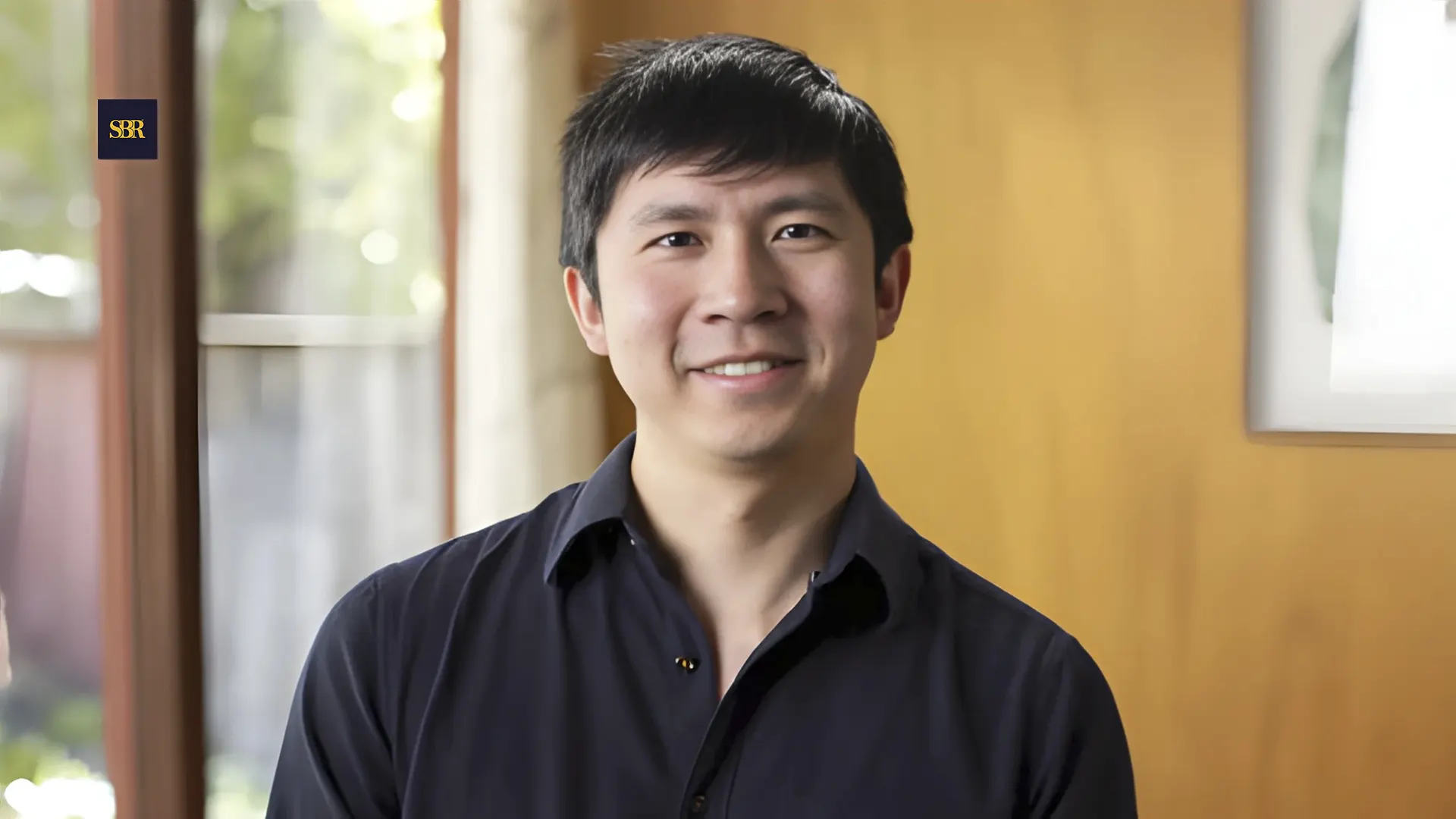
SAN FRANCISCO, July 17, 2026 — Building an artificial intelligence company has never been more competitive. New startups emerge almost daily, pursuing opportunities across software development, healthcare, robotics, finance, and enterprise automation. Yet only a small number secure extraordinary investor backing before releasing a product. Elorian stands out after raising a remarkable $55 million seed round at a reported valuation of $300 million despite having no commercial product and no revenue. Founded by former Google DeepMind researcher Andrew Dai, the company attracted one of the year's largest seed investments by presenting a compelling vision for visual AI rather than demonstrating commercial traction. Speaking with Startup Battlefield lead Isabelle Johannessen on Build Mode, Dai discussed why investors believed in the company's long-term opportunity, why selecting venture capital partners mattered more than pursuing the highest valuation, and what first-time founders should understand before entering fundraising discussions.
For many entrepreneurs, raising substantial capital before launching a product appears almost impossible. Dai’s experience illustrates that exceptional research credentials alone are not enough. Investors also evaluated whether Elorian could convert scientific expertise into a business capable of sustained growth over many years. Rather than focusing solely on current artificial intelligence trends, the company presented a long-term opportunity built around visual AI, convincing investors that the technology could become one of the next major developments within the industry. That combination of technical credibility, business vision, and disciplined communication helped secure extraordinary financial backing long before the company entered the market.
Visual AI Moves Beyond Text
Artificial intelligence has made enormous progress through large language systems capable of generating text, writing software, and answering questions. Visual AI represents another major frontier by extending machine intelligence beyond language into understanding images, video, and the physical world. Systems capable of interpreting visual information could unlock new possibilities across manufacturing, robotics, autonomous systems, healthcare, logistics, retail, and scientific research. Rather than simply recognizing objects, future technologies may reason through visual scenes with greater context and accuracy, creating opportunities well beyond today's text-based applications.
That long-term potential attracted investor interest in Elorian. Dai explained that fundraising required much more than presenting research breakthroughs or discussing sophisticated machine learning techniques. Venture capital firms needed to understand why visual AI could become a defining technology category over the coming years and why Elorian possessed the expertise to pursue that opportunity successfully. While Dai’s experience at Google DeepMind strengthened investor trust, financial backers also evaluated whether the company had the capability to convert cutting-edge research into commercial success, making vision and execution just as important as scientific achievement.

Storytelling Matters More Than Technical Detail
Dai also discussed one of the biggest challenges AI founders face: communicating highly technical ideas to investors. Many founders believe technical sophistication alone will persuade investors, particularly within artificial intelligence, yet Dai explained that technical expertise must be paired with effective communication. Many venture capital professionals lack deep research backgrounds in machine learning, making presentations filled with academic terminology difficult to understand. Instead, founders need to explain the problem they are solving, why existing technology falls short, what differentiates their company, and how their technology could create meaningful commercial opportunities over time. For AI startups, the ability to connect technical innovation with business value can be just as important as the technology itself when raising venture capital.
Communicating technical depth does not require overwhelming investors with research language. Dai stressed that successful fundraising depends on presenting sophisticated ideas in accessible language without sacrificing credibility. Investors ultimately support founders who can explain ambitious technology in business terms while demonstrating a realistic understanding of execution. For first-time founders, mastering storytelling may prove just as valuable as scientific expertise because the strongest investment pitches connect technological innovation with commercial opportunity in a way that resonates with both technical and nontechnical audiences.
Choosing Investors Beyond Valuation
Large funding announcements often highlight valuation, yet Dai argued that valuation alone should never determine fundraising decisions. Every investment creates a long-term relationship between founders and venture capital firms that influences hiring, governance, strategic direction, future fundraising, and many other business decisions. Selecting investors who genuinely understand the company's vision may produce far greater long-term value than accepting the highest financial offer. Experienced venture partners can introduce customers, recruit senior executives, provide guidance during difficult periods, and support later financing rounds, while misaligned investors may create unnecessary disagreements when priorities diverge.
Dai encouraged founders to carefully evaluate potential investors before accepting funding, just as investors carefully assess startups before making investments. Entrepreneurs should ask meaningful questions, understand investor expectations, and determine whether both parties share similar ambitions before accepting funding. During competitive fundraising, several attractive offers may arrive simultaneously, making valuation appear like the obvious deciding factor. Dai argued that long-term alignment frequently outweighs short-term financial gains. He also noted that artificial intelligence develops at an extraordinary speed, requiring founders to move rapidly while recruiting exceptional talent capable of competing with major technology companies. Building defensible businesses through proprietary data, specialized research capabilities, outstanding people, customer relationships, and disciplined execution remains essential as technology continues evolving. Elorian’s fundraising journey demonstrates that remarkable investment success begins with a compelling vision, effective communication, thoughtful investor selection, and the ability to convince financial backers that the company can create lasting value well before a product reaches customers.
While Dai’s experience at Google DeepMind strengthened investor trust, financial backers also evaluated whether the company had the capability to convert cutting-edge research into commercial success, making vision and execution just as important as scientific achievement.









.webp)