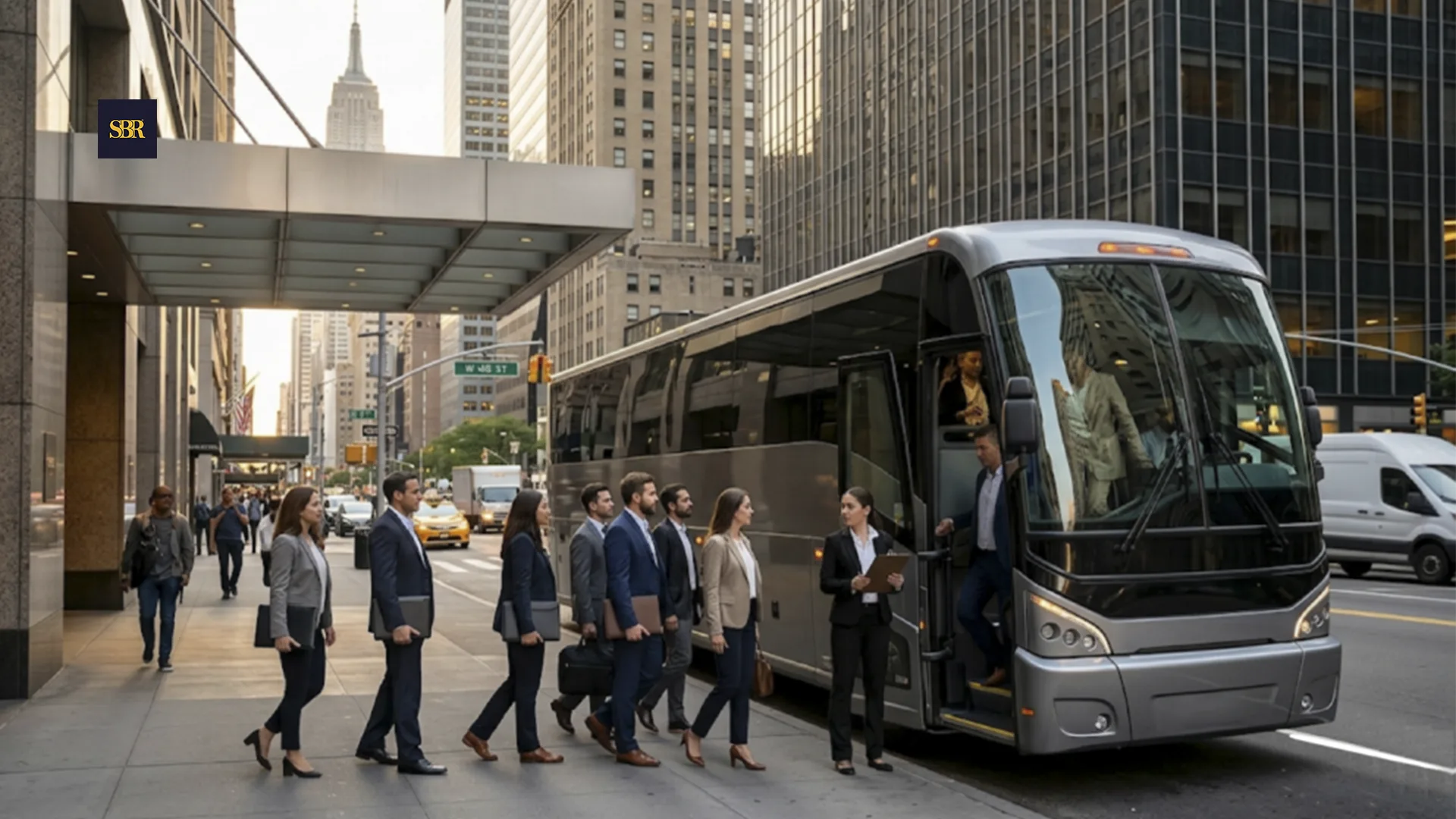
AMES, Iowa, July 7, 2026 — Planning a conference involves juggling countless details, and transportation is one you can't afford to overlook. Knowing where to rent a transit bus for a conference is essential for ensuring attendee satisfaction, punctuality, and your event's overall success. Discover how to plan transportation for a conference that keeps your event running smoothly from start to finish.
A successful transportation plan begins long before you book your first vehicle. Taking time to assess your needs, set a realistic budget, and vet your partners will save you from costly mistakes and last-minute scrambling.
Define Your Group Size and Needs
Calculate the total number of attendees who will require transport and identify all key locations they'll need to reach. This includes airports, hotels, the conference venue, and any off-site events, such as dinner locations or team-building activities.
Gather information about special needs. Some attendees may require wheelchair-accessible vehicles or accommodations for mobility devices. Create a digital survey for registered attendees to assess their transportation needs directly. This helps you avoid underestimating vehicle capacity or overlooking accessibility requirements.
Establish a Realistic Transportation Budget
Creating a detailed transportation budget is essential to keeping your event financially on track. Account for potential costs, including vehicle rental, driver fees, fuel, tolls, parking, and a contingency fund for unexpected changes.
Transportation costs can add up quickly, especially for multiday conferences with complex itineraries. Use a budgeting spreadsheet to track costs and make adjustments as the event approaches.
Vet Potential Transportation Partners
Thoroughly vetting your transportation company is one of the most important steps in the planning process. Check for proper licensing and insurance, read online reviews, and ask for references from other event organizers. Confirm their safety record and ask about their contingency planning for breakdowns or delays.
Last-minute booking can lead to critical failures. In one notable example, a Denver conference experienced missing coaches and stranded attendees due to inadequate vetting and rushed planning. Early planning and careful partner selection are non-negotiable when arranging transportation for a conference.
Match Vehicle Types to Your Itinerary
Choosing the right vehicles makes a significant difference in both logistics and attendee comfort. Motorcoaches work best for large groups traveling together to the same destination. These vehicles typically seat 50 or more passengers and often include amenities like Wi-Fi and restrooms for longer trips.
Mini-coaches are suitable for midsize groups or VIP transportation needs. Executive cars and luxury vehicles are ideal for transporting keynote speakers, sponsors or high-profile guests who need private, direct transportation. Create a chart outlining vehicle types, group sizes and use cases to communicate requirements to your provider.
Resolving Common Conference Transportation Challenges
Even with careful planning, transportation challenges can arise. The key is to anticipate these common issues and have solutions ready.
Coordinating Itineraries for Large, Complex Groups: Managing complex schedules for hundreds of attendees requires strategic planning. Create a master transportation map that shows all pickup points, destinations, and timing.
Use shuttle loops instead of single departure times whenever possible. Continuous loops between hotels and the venue give attendees flexibility and reduce the stress of missing a single bus. Assign a dedicated on-site coordinator to manage real-time changes and handle attendee inquiries during the event.
Preventing Late Arrivals and Attendee Confusion: Clear communication prevents most transportation confusion. Provide detailed schedules, maps, and contact information through an event app or pre-event email. Include pickup locations with specific landmarks, departure times, and estimated travel duration.
Research shows that transportation logistics strongly influence attendee satisfaction. Smooth transport can affect feedback and overall event ratings. When attendees know where to go and when, they arrive relaxed, engaged, and on schedule.
Navigating Limited Venue Parking and Access: Many conference venues have limited parking or restricted access during peak hours. Plan for these challenges by using consolidated pickup points. Arrange transportation from two or three central hotel locations to consolidate attendee arrivals.
Create designated drop-off zones to efficiently manage traffic flow. Work with your venue and transportation provider to establish a plan for where buses will stage, load and unload. Share a parking map digitally before the event so attendees know what to expect upon arrival.
Balancing a Tight Budget with Reliable Service: Being cost-effective means choosing value over the lowest price. Book during off-peak times if your event dates allow, as rates are often lower. Consolidate trips whenever possible to maximize vehicle capacity and reduce the number of vehicles needed.
Remember that the cheapest provider is rarely the best value. A slightly higher rate from a reliable company with proper insurance and well-maintained vehicles protects you from far more expensive problems, such as breakdowns, delays or liability issues.
Frequently Asked Questions
Conference organizers have similar questions about transportation planning.
Where can I rent a transit bus for a conference?
For events in or near the Quad Cities area, CIT Signature Transportation in Davenport, Iowa, offers a fleet that includes motorcoaches for large groups and executive vehicles for VIPs. The company also supports employee shuttle needs and can help create legal itineraries that keep groups on schedule. CIT Signature Transportation provides amenities like Wi-Fi and restrooms, along with professional drivers experienced in conference logistics.
What are the top questions to ask a potential transportation provider?
When vetting providers, start with these essential questions.
1) What is your safety record?
2) What licenses and insurance do you carry?
3) Can you provide references from similar events?
4) What is your contingency plan for vehicle breakdowns or delays?
Also ask about their fleet condition, driver training, and experience with conferences. A provider who regularly handles events will understand the unique timing pressures and coordination requirements of conference transportation.
How can I save money on transportation without sacrificing quality?
Book as early as possible to lock in better rates and ensure vehicle availability. Optimize your routes by grouping attendees strategically and minimizing unnecessary trips. Consider whether transportation legs are necessary or if some can be eliminated.
Negotiate multiday rates if your conference spans several days. Many providers offer discounts for extended bookings.
Give Your Attendees a Seamless Travel Experience
Getting transportation right is a crucial component of hosting a memorable and successful conference. Plan early, vet your partners thoroughly, and communicate clearly with attendees about schedules and locations. When you invest in transportation planning, your attendees notice. That positive experience reflects directly on you as an organizer and sets the tone for a successful event from the moment they step off the bus.
For events in or near the Quad Cities area, CIT Signature Transportation in Davenport, Iowa, offers a fleet that includes motorcoaches for large groups and executive vehicles for VIPs.







.webp)