WASHINGTON, Nov. 20, 2026 — The Trump administration held its first offshore critical minerals lease auction in the Pacific on November 19, awarding two seabed areas near American Samoa to deep-sea mining startup Wetstone U.S. Ventures. The company submitted winning bids of $3 million for each area, totaling $6 million. Together, the two areas cover approximately 31.5 million acres of federal waters and carry 20-year lease terms. Norway-based Adepth also attended the auction but did not submit a bid.
The lease terms set royalties at 2% of production during the first five years and 5% thereafter. The $6 million represents Wetstone’s winning bids for the two lease areas, not revenue from mineral extraction. No commercial mining has been authorized.
The winning bids do not give Wetstone immediate permission to extract minerals. The company must first obtain the formal leases and secure additional regulatory approvals. The agreements would allow preliminary seabed surveys and give Wetstone exclusive rights to pursue further exploration, testing and potential commercial mining, subject to separate technical assessments and environmental reviews.
Court Ruling Challenges Lease Sale
The November 19 auction took place three days after a federal judge in Hawaii ruled that the National Marine Fisheries Service had violated the Endangered Species Act in its review of the proposed mining leases. On November 16, U.S. District Judge Jill A. Otake ruled in favor of Fa’asao Amerika Samoa and the Conservation Council for Hawai'i. The court found that the fisheries agency had assessed the initial lease sale but had failed to examine the potential effects of subsequent exploration, development, and commercial mining on endangered marine species.
The judge overturned the agency’s Letter of Concurrence, which had concluded that the proposed lease sale was unlikely to adversely affect protected species. However, the court did not cancel the auction or prohibit the federal government from proceeding with it. Following the ruling, the Marine Minerals Administration began another consultation with the fisheries service but proceeded with the auction. Earthjustice, which represents the plaintiffs, challenged the decision to proceed and said it would pursue further legal action to invalidate the leases.
Two other lawsuits have also challenged the federal leasing program. The Natural Resources Defense Council and Finafinau, an environmental organization founded by American Samoa resident Sabrina Suluai-Mahuka, filed a lawsuit on November 18 over the adequacy of the government’s environmental review. A separate case brought by Faleula o le Manu'atele, a council of local chiefs, challenges the federal government's authority to auction the offshore areas. The lawsuits could affect whether Wetstone's provisional winning bids result in formally issued leases.

Tuna Industry Faces Economic Risks
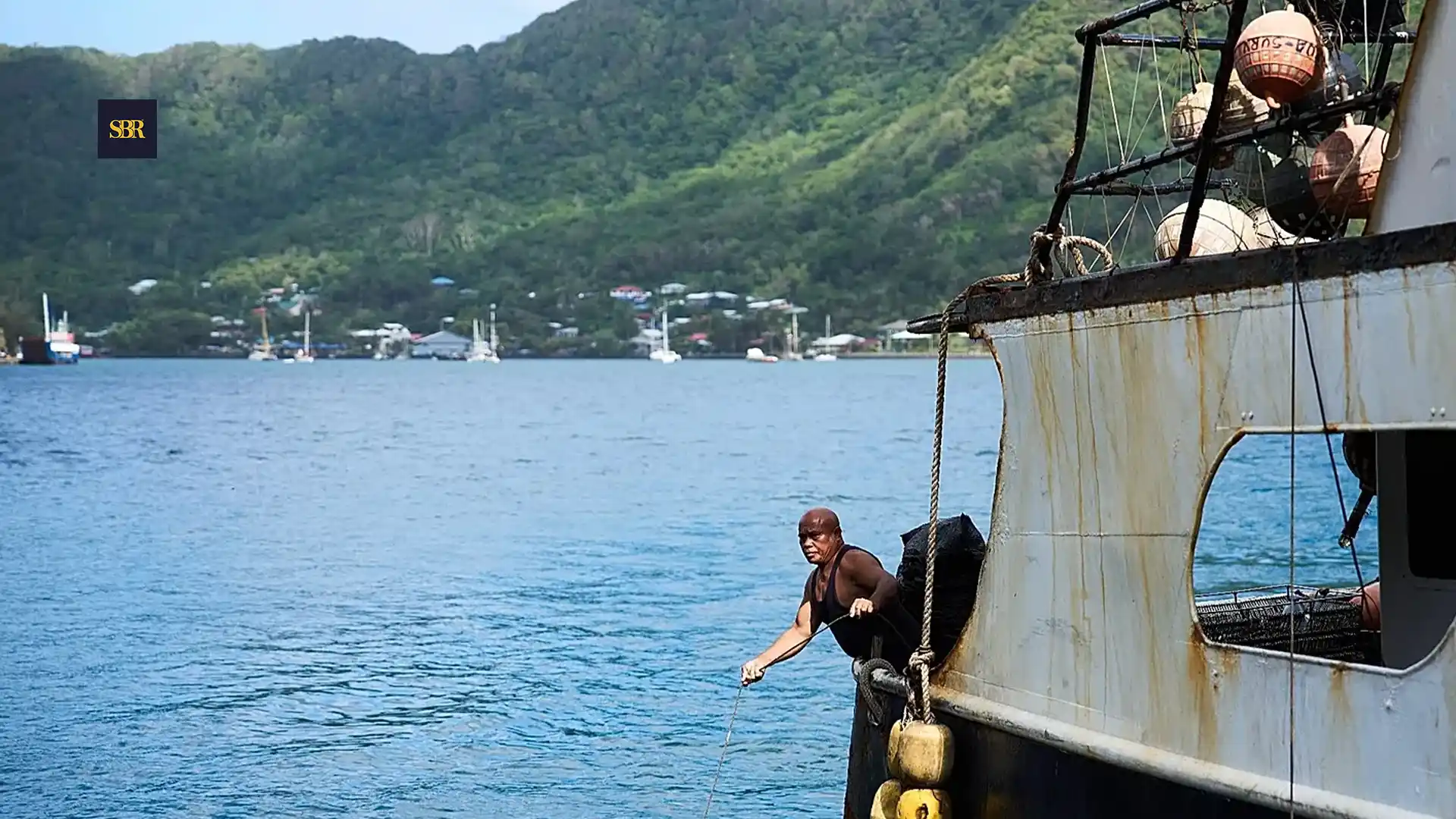
The proposed mining areas overlap with fishing grounds used by American Samoa’s commercial tuna industry. Purse-seine and longline vessels catch tuna for the StarKist cannery in Pago Pago, the territory’s last remaining tuna processing facility. The longline fleet operates entirely within U.S. waters, including the waters covered by the auction. Seabed mining could disturb the ocean floor and release sediment plumes or contaminants into surrounding waters. Local officials fear these effects could disrupt tuna movement and fishing operations, reducing catches and threatening jobs in both the fishing fleet and the cannery.
Nathan Ilaoa, director of the American Samoa Department of Marine and Wildlife Resources, called for a more exhaustive assessment of the potential effects on the territory’s fisheries before the auction. He also warned that the loss of the longline fleet could put the cannery's future at risk.
“We’re extremely concerned that the disappearance of our longline fleet could translate into the cannery leaving American Samoa, which would be an economic disaster for the territory,” Ilaoa said.
The financial terms of the leases also leave questions about how much revenue American Samoa would receive if mining proceeds. The lease provisions require companies to make reasonable efforts to hire workers from the territories and contribute to community well-being, but they set no binding hiring targets or minimum employment levels. The federal government would collect the winning bids, lease rentals and any future royalties. No existing requirement directs a share of that revenue to American Samoa or other nearby territories and states.

Photo credit: AP
Mining Industry Awaits Approvals
Deep-sea mining has yet to reach commercial production anywhere in the world. Companies are seeking to recover mineral deposits from the ocean floor, including polymetallic nodules containing nickel, cobalt, manganese and copper. These metals are used in electric vehicle batteries, electronics, industrial manufacturing and defense equipment. However, the commercial potential of the deposits near American Samoa remains uncertain. Companies have yet to demonstrate that they can extract, process and transport seabed minerals at commercial scale, or establish the costs of doing so.
Tony Romeo, head of deep-sea mining startup Eco Minerals, which did not participate in the auction, said companies entering the sector should expect legal challenges from environmental organizations.
“If they can halt it through legal action, they will,” Romeo said. “We’ll see how it ultimately plays out.”
Erik Milito, president of the National Ocean Industries Association, expects interest and investment in ocean mineral development to grow. “Decades of environmental research and extensive assessments have helped lay the groundwork for responsible ocean mineral development,” Milito said.
The Department of the Interior is considering additional offshore mineral lease auctions near the Northern Mariana Islands, Virginia and Alaska. The National Oceanic and Atmospheric Administration is also reviewing applications from companies seeking permits to mine in international waters. In American Samoa, Wetstone’s winning bids give the startup an opportunity to pursue seabed mineral development, but the company must still obtain formal leases and meet further regulatory requirements. Pending lawsuits could also affect whether the leases are issued and whether the project proceeds.
The lease terms set royalties at 2% of production during the first five years and 5% thereafter.