
HOUSTON, Texas, July 7, 2026 — Following the successful flight demonstration of a rotating detonation rocket engine, Venus Aerospace has secured fresh funding to develop propulsion systems for defense programs and high-speed space vehicles.
Venus Aerospace was founded in 2020 with a long-term vision of making hypersonic passenger travel possible through a new generation of rocket propulsion. Sassie Duggleby, CEO, and Andrew Duggleby, CTO, established the Texas-based company around the belief that a rotating detonation rocket engine (RDRE) could deliver greater efficiency and thrust than conventional rocket engines. During the company’s early years, engineers tackled one of the technology's greatest challenges — keeping the engine stable while preventing extreme heat from damaging critical components during operation.
Following the successful flight demonstration of the RDRE in 2025, the company’s direction changed dramatically. Instead of drawing immediate interest from commercial aviation, the demonstration attracted defense organizations and aerospace companies eager to acquire a working rotating detonation engine. Sassie Duggleby said the response came as a surprise because the original expectation had been to generate interest in hypersonic passenger aircraft rather than the propulsion system itself. That unexpected demand prompted Venus Aerospace to place greater attention on defense programs and high-speed space vehicles.
Flight Test Opened New Opportunities
The successful launch established Venus Aerospace as the first company to fly a rocket powered by a rotating detonation rocket engine. Unlike earlier demonstrations carried out in laboratories or on ground test stands, the flight showed that the technology could operate under real launch circumstances involving vibration, structural loads, and changing atmospheric factors. Reaching that milestone represented years of engineering work dedicated to turning a concept that had existed largely on paper into a functioning propulsion system.
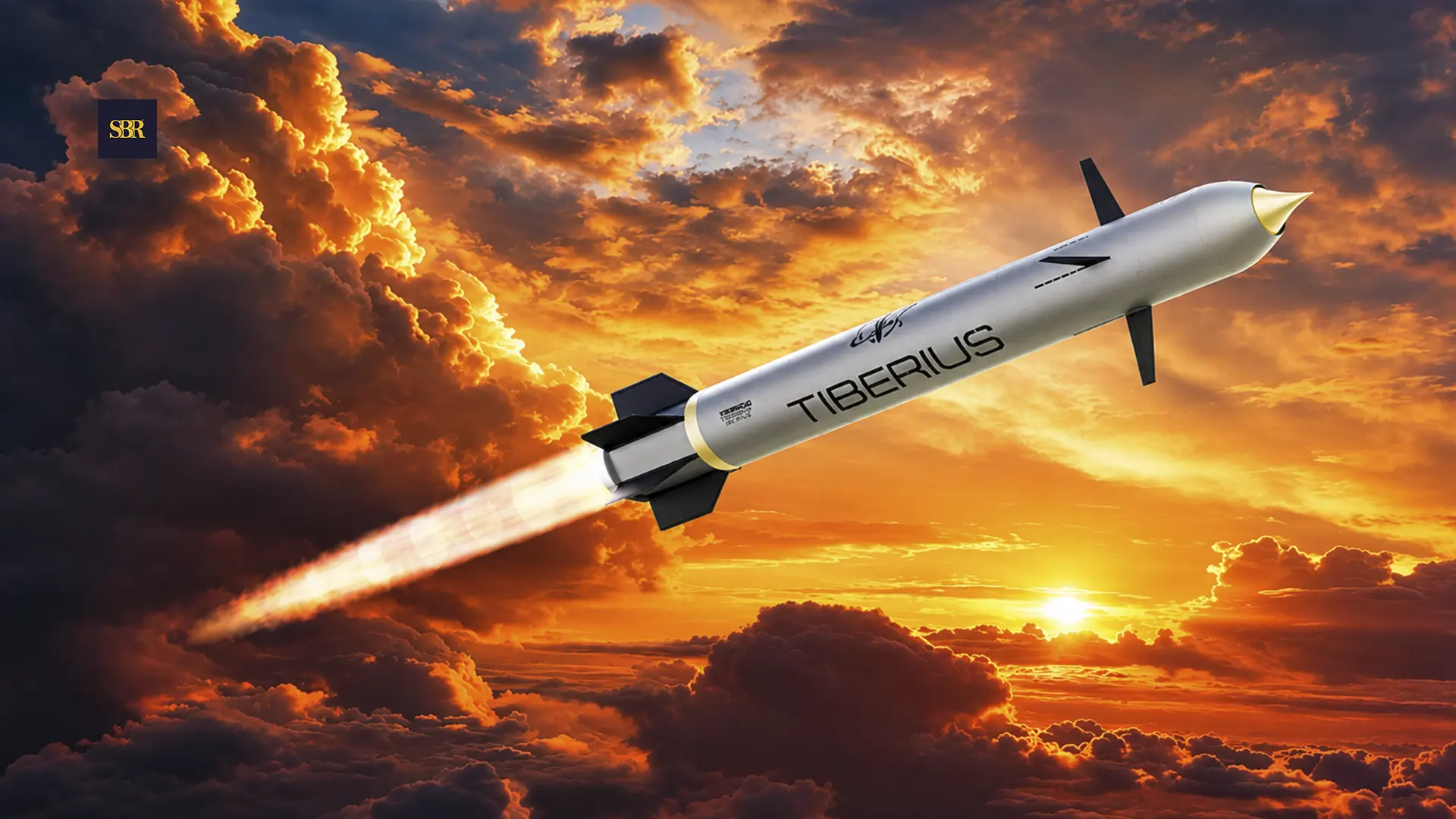
Venus Aerospace is now developing propulsion systems intended to replace the solid rocket motors used in many missiles while also pursuing applications involving high-speed space vehicles. Andrew Duggleby said the propulsion architecture delivers efficiency, throttling capability, reusability, and manufacturability needed for operational defense and space missions. Rather than limiting development to research programs, the company is working with prospective customers to adapt the engine for vehicles expected to enter service in the future.

Investment Accelerates Development
To support the next stage of development, Venus Aerospace has raised $90 million in a Series B funding round led by Mercury Fund. Additional investors include Lockheed Martin Ventures, MESH, PEAK6, Draper Associates, Starboard Star Venture Capital, and Green Sands Equity. The funding will finance engine testing, vehicle development, and collaborative programs with prospective customers evaluating the propulsion technology for operational defense and space missions.
Military organizations have expanded investments in hypersonic technologies because vehicles traveling several times faster than the speed of sound can complete missions more rapidly than conventional systems. Space programs also present significant opportunities for propulsion systems that extract more energy from available propellant while reducing waste during operation. The latest investment provides Venus Aerospace with financial resources to refine engine performance and prepare vehicle designs aligned with customer requirements.
Decades-Old Propulsion Concept Takes Flight
The concept behind the rotating detonation rocket engine dates back to the mid-twentieth century. Unlike conventional rocket engines that burn propellants inside a standard combustion chamber, an RDRE creates a rotating supersonic detonation wave that travels around a circular channel. This process allows more energy to be extracted from the propellant while consuming less fuel than traditional rocket engines. Despite the promise of greater efficiency, scientists spent decades trying to understand and control combustion occurring at supersonic speeds while also developing materials capable of surviving the intense temperatures generated inside the engine.
Recent technological developments have made meaningful progress possible. Three-dimensional printing has simplified the production of intricate engine components, while sophisticated computer simulations have improved engineers' understanding of combustion behavior. Researchers at the University of Central Florida completed one of the first successful RDRE demonstrations in 2020. NASA conducted a ground demonstration in 2022, and the Japan Aerospace Exploration Agency (JAXA) successfully operated an RDRE in space for several seconds in 2021. Venus Aerospace added another milestone by becoming the first company to launch a rocket powered by the technology during an actual flight.
Longer Engine Burns Remain the Priority
Although the flight demonstration confirmed that the propulsion system works outside laboratory settings, important engineering milestones remain. Across approximately 600 engine tests, the longest successful burn has lasted 32 seconds. Prospective defense and space customers, however, are expected to require engines capable of operating for between six and fifteen minutes. Extending burn duration without damaging engine components has therefore become one of the company's highest priorities.
According to Sassie Duggleby, much of the engineering work completed during the past four years focused on preventing the engine from melting under extreme operating temperatures. Resolving that challenge allowed Venus Aerospace to move from laboratory experiments to successful flight testing. Further progress will be supported by a grant awarded by the Texas Space Commission to construct a larger engine test stand capable of supporting longer-duration firing campaigns and larger propulsion systems. Passenger transportation remains part of the company's long-term vision, but defense applications and high-speed space vehicles now represent the nearest commercial opportunities. With fresh funding, expanding customer interest, and larger testing facilities under development, Venus Aerospace is entering a new phase in which reliable long-duration engine performance will determine how quickly rotating detonation propulsion reaches operational service.
Venus Aerospace is now developing propulsion systems intended to replace the solid rocket motors used in many missiles while also pursuing applications involving high-speed space vehicles.







.webp)