
REDMOND, Wash., August 21, 2026 — Starcloud has raised a $250 million extension to its Series A, valuing the orbital data-center startup at $2.3 billion as it prepares to expand its space-based computing infrastructure. The latest financing follows the company’s $170 million Series A announced in March. The new capital will help Starcloud expand its manufacturing capabilities, develop its Starcloud-3 orbital data center, and secure launch capacity for future spacecraft.
Starcloud is developing satellites capable of performing AI inference in orbit, with plans to provide computing capacity for customers including U.S. government agencies. The company has also requested permission from the Federal Communications Commission to operate as many as 88,000 spacecraft, indicating the potential scale of its planned constellation. CEO Philip Johnston said Starcloud expects to require substantial launch capacity as the company expands, making access to rockets an important part of its growth plans.
Starcloud Expands Its Orbital Data Center Plans
Starcloud plans to use the new financing to open a larger manufacturing facility and develop Starcloud-3, its largest planned orbital data-center spacecraft. The spacecraft is intended to launch aboard SpaceX’s Starship, although the timing and availability of future Starship missions remain important considerations for the company. Starcloud is ultimately counting on Starship to provide the launch economics needed to establish an orbital computing layer capable of competing with terrestrial data centers.
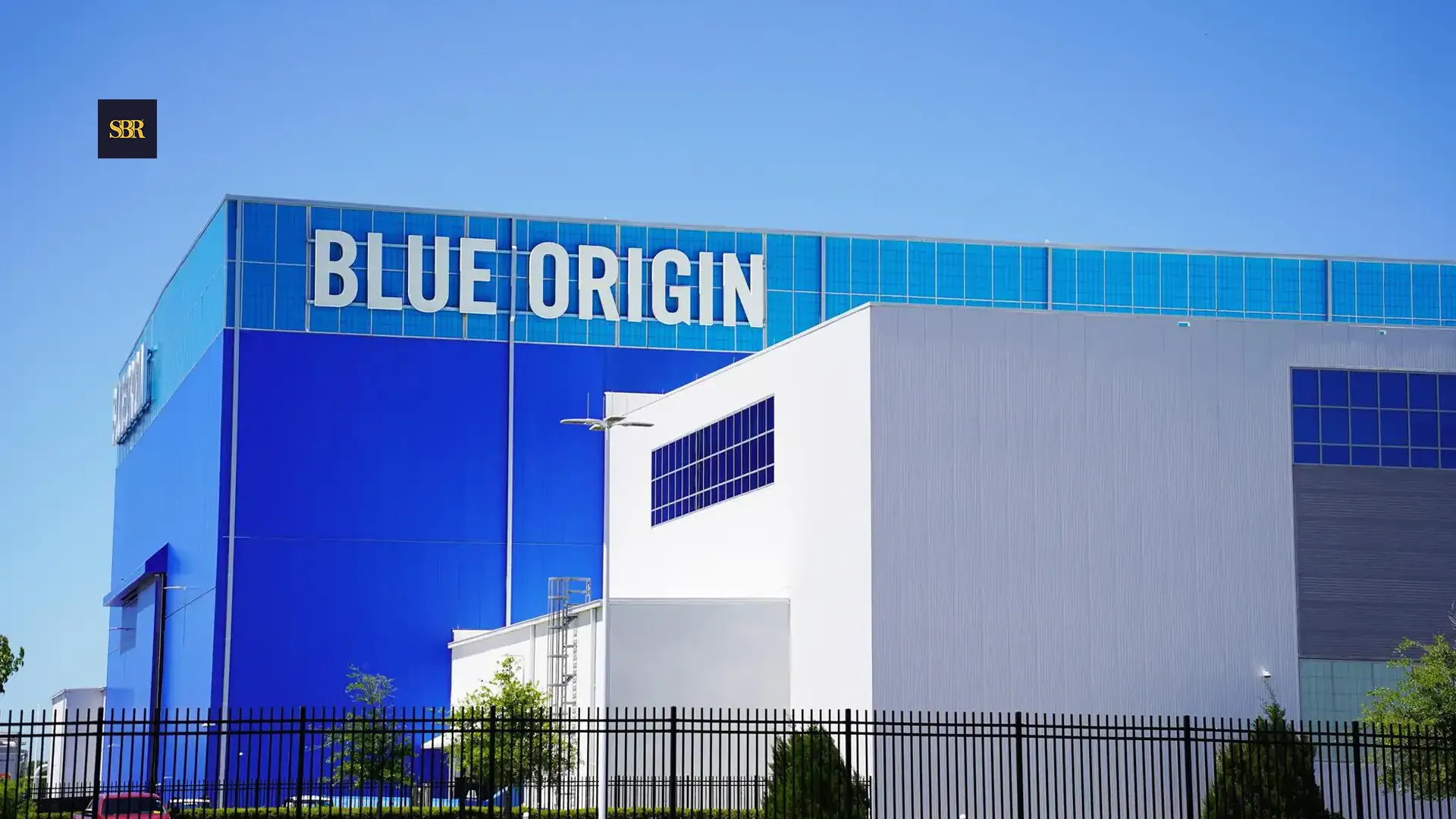
Launch availability has become a major financial and operational concern for orbital data-center companies. SpaceX plans to phase out its Falcon 9 program in 2028 and bring the much larger Starship into service, while competing vehicles such as Blue Origin’s New Glenn and United Launch Alliance’s Vulcan are not yet flying regularly and Rocket Lab’s Neutron remains in development. Starcloud is considering dedicated Falcon 9 missions and agreements with other launch providers as it prepares for future deployments.

Starcloud Builds the Next Generation of Space Computing
Before Starcloud-3, the company plans to launch two 8-kilowatt Starcloud-2 compute satellites on rideshare missions in 2027. These spacecraft are intended to perform orbital inference tasks for customers including U.S. government agencies. Starcloud’s wider strategy centers on placing data-center-class computing hardware in orbit, allowing AI workloads and other computational tasks to run closer to where space-based data is generated.
Starcloud-1 launched in November 2025 carrying an NVIDIA H100 GPU, which the company says was the first H100 deployed in space and the first to train a model in orbit. The experience has given Starcloud operational data on running high-performance computing hardware under orbital conditions. The company is sharing those findings with NVIDIA as the chipmaker develops the Vera Rubin Space-1 chip for space applications.
NVIDIA and Cisco Join the Funding Round
Manhattan West Ventures led the latest financing, with participation from NVIDIA and Cisco, along with Benchmark, EQT, Soma, NFX, 776, Cedar Capital, Goanna Capital, and Standard Capital. A person familiar with the transaction said NVIDIA contributed $25 million. NVIDIA’s participation adds significance to the relationship between the companies because Starcloud is providing data from its orbital H100 deployment as NVIDIA develops space-specific computing hardware.
The planned space-ready chip has not yet been built, but Starcloud hopes to fly it in orbit in late 2028. Engineers are examining several design requirements, including the relationship between chip operating temperatures and radiator size, radiation shielding, and the ruggedization required to withstand the forces of launch. Starcloud’s orbital experience gives NVIDIA operational data as it develops hardware designed for the demands of space.

Photo credit: Starcloud
Launch Capacity Becomes a Business Challenge
Starcloud’s latest financing also reflects the economics of building computing infrastructure beyond Earth. Launch costs have been among the largest expenses for orbital data-center companies, making access to rockets an important part of deployment planning. Johnston has said Starcloud wants to secure launch contracts as soon as possible because the company expects to require substantial launch capacity as its constellation grows.
For its near-term missions, Starcloud is considering rideshare flights, dedicated Falcon 9 launches, and agreements with other providers. The company’s longer-term plans depend partly on whether Starship can demonstrate rapid and frequent reuse and provide the capacity required for large-scale deployment. Johnston has acknowledged that an inability to secure SpaceX launch capacity in 2029 would present a challenge for Starcloud.
Manufacturing Capacity Expands
Starcloud is also increasing its manufacturing footprint as it prepares for additional spacecraft. The company is developing production lines at a 100,000-square-foot facility in Woodinville, Washington, near facilities where SpaceX and Amazon manufacture satellites for their communications networks. The expansion will give Starcloud greater production capacity as it moves beyond its initial orbital demonstrations.
The company currently has 25 employees and is growing as it develops its production operations and future spacecraft. The $250 million funding extension gives Starcloud additional capital for manufacturing, spacecraft development, launch commitments, and space-computing hardware. Its next challenge will be turning its early orbital demonstrations into a scalable business while managing the financial and technical demands of putting data-center infrastructure into orbit.
Starcloud plans to use the new financing to open a larger manufacturing facility and develop Starcloud-3, its largest planned orbital data-center spacecraft. The spacecraft is intended to launch aboard SpaceX’s Starship, although the timing and availability of future Starship missions remain important considerations for the company.













.webp)