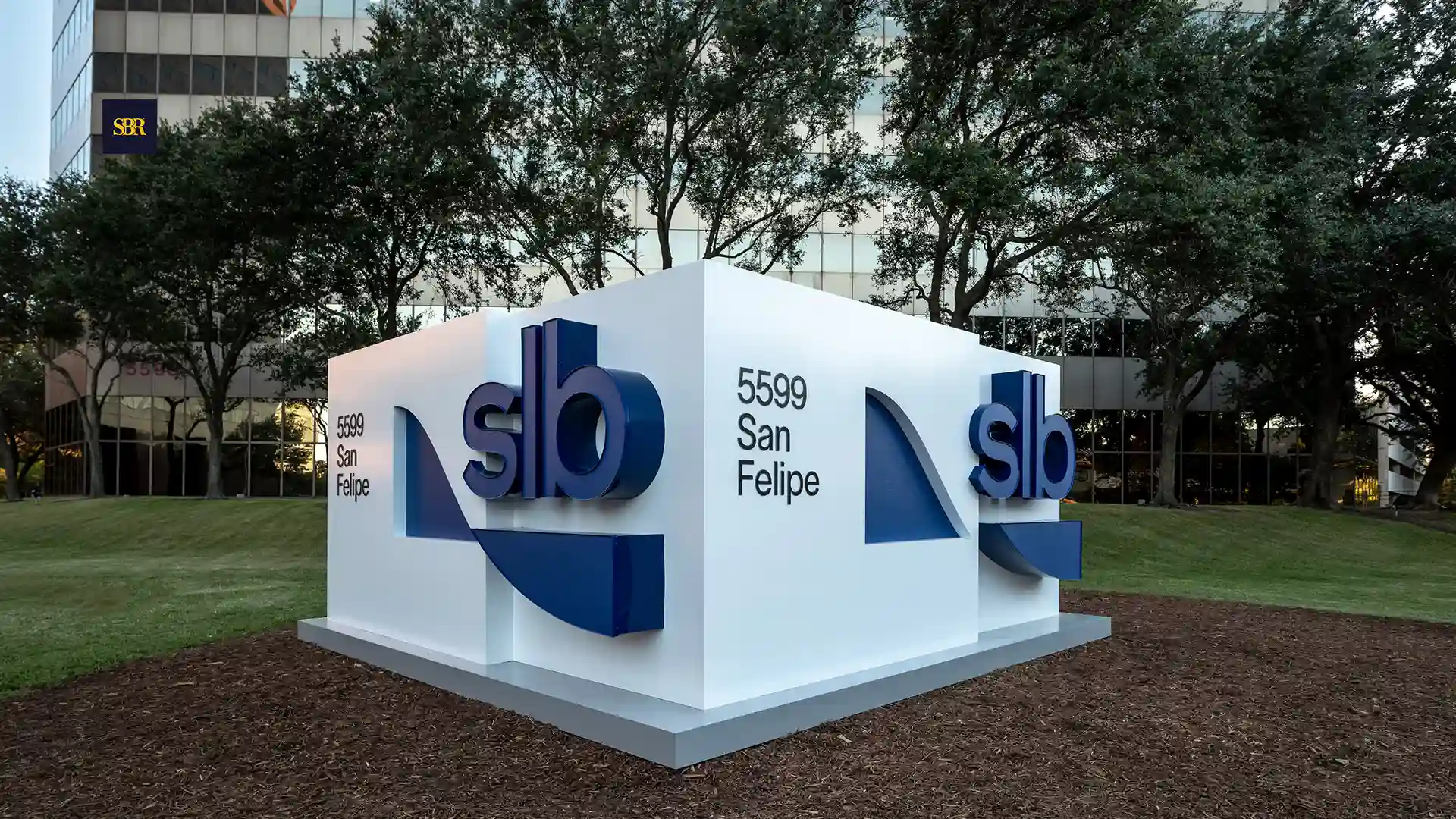
HOUSTON, Tex. / SANTA CLARA, Calif., March 25, 2026 — SLB and Nvidia are enhancing their collaboration to deliver more powerful computing solutions for energy operations. The partnership, active since 2008, now incorporates systems that can process vast geological and operational datasets more quickly, enabling operators to interpret information efficiently and make informed decisions. Recent efforts have included generative AI, allowing the companies to deploy advanced computing frameworks that support large-scale data analysis across exploration and production activities. As data volumes continue to grow, this expanded collaboration provides the computational capacity and integrated software needed to accelerate insights and connect digital platforms with field operations.
Faster Processing Supports Operational Decisions
Energy operations generate large datasets that include seismic imaging, reservoir models, and real-time production metrics. Processing this information requires significant computing resources, and delays can affect decision-making across projects. By integrating Nvidia’s accelerated computing systems, SLB is working to shorten processing times and deliver insights more quickly.
Engineers and geoscientists can run simulations at greater speed, allowing them to test multiple scenarios in less time. This helps refine drilling strategies and improve production planning while reducing inefficiencies linked to slower analysis.
Automation plays a role as well. AI systems can handle repetitive and data-heavy tasks, allowing specialists to focus on interpretation and planning. This shift supports more efficient workflows while maintaining technical oversight in critical areas.
The ability to process data at higher speeds also supports monitoring and optimization efforts. Companies can track performance in closer to real time and respond more effectively to changing conditions in the field.

Linking Digital Platforms with Field Operations
Accelerating Seismic Data Analysis: Seismic data processing is a key focus of SLB’s expanded collaboration with Nvidia. AI models can identify patterns and anomalies in complex geological datasets faster than traditional methods, allowing exploration teams to pinpoint drilling locations with greater speed and accuracy. This reduces uncertainty in early-stage planning and supports more informed decisions on where to allocate resources. The faster analysis also enables teams to run multiple simulations and adjusts strategies in near real time, improving outcomes for exploration programs.
Optimizing Reservoir Simulations: Enhanced computational capacity also benefits reservoir modeling. Engineers can evaluate multiple production scenarios more quickly, testing different strategies and predicting outcomes with higher precision. This allows for more efficient resource management and better responsiveness to changing field conditions. By linking digital platforms directly with operational systems, insights from simulations can be applied immediately to field operations, connecting predictive modeling with actionable workflows.
Extending Benefits Beyond Upstream
The collaboration also supports midstream and downstream activities, including logistics, maintenance, and system monitoring. AI-driven insights can improve scheduling, optimize resource use, and help identify operational issues sooner. Connecting digital tools with field operations creates a more integrated view of energy activities and strengthens the overall decision-making process.
Scaling AI Across the Energy Sector
Deploying AI at scale presents challenges, particularly where legacy systems and fragmented data environments exist. The expanded tie-up addresses these challenges by providing infrastructure capable of integrating data from multiple sources while handling processing demands efficiently.
SLB’s platforms bring together information from sensors, equipment, and enterprise systems, while Nvidia’s technology provides the computing power required to analyze it. This combination allows companies to deploy AI solutions across different operations without major disruption.
The ability to scale is also relevant as the energy sector evolves. Newer areas such as carbon capture and other low-emission technologies generate their own data requirements. AI tools can support optimization and monitoring in these areas, helping companies manage both traditional and emerging operations.
The collaboration reflects a significant move toward integrated digital solutions. Companies are increasingly seeking systems that can support multiple functions while maintaining performance across operations.
AI Becomes Integral to Energy Operations
The expansion of SLB’s tie-up with Nvidia highlights the growing role of artificial intelligence in the energy industry. As operations generate more data, advanced computing is becoming essential. Companies are investing in systems that can handle large datasets, run sophisticated simulations, and provide actionable insights quickly.
High-performance computing allows faster analysis and more informed decision-making. Traditional methods cannot keep pace with the scale and complexity of modern energy data, while accelerated systems provide the speed and flexibility needed.
The collaboration also reflects a trend of closer alignment between technology providers and energy companies. Partnerships are becoming essential for delivering solutions that can be deployed at scale.
While the full effects of the expanded tie-up will develop over time, the direction is clear. AI-driven systems are becoming embedded in exploration, production, and operational planning. By scaling its collaboration with Nvidia, SLB is reinforcing its role in the shift toward more data-driven energy operations.
The expansion of SLB’s tie-up with Nvidia highlights the growing role of artificial intelligence in the energy industry. As operations generate more data, advanced computing is becoming essential. Companies are investing in systems that can handle large datasets, run sophisticated simulations, and provide actionable insights quickly.