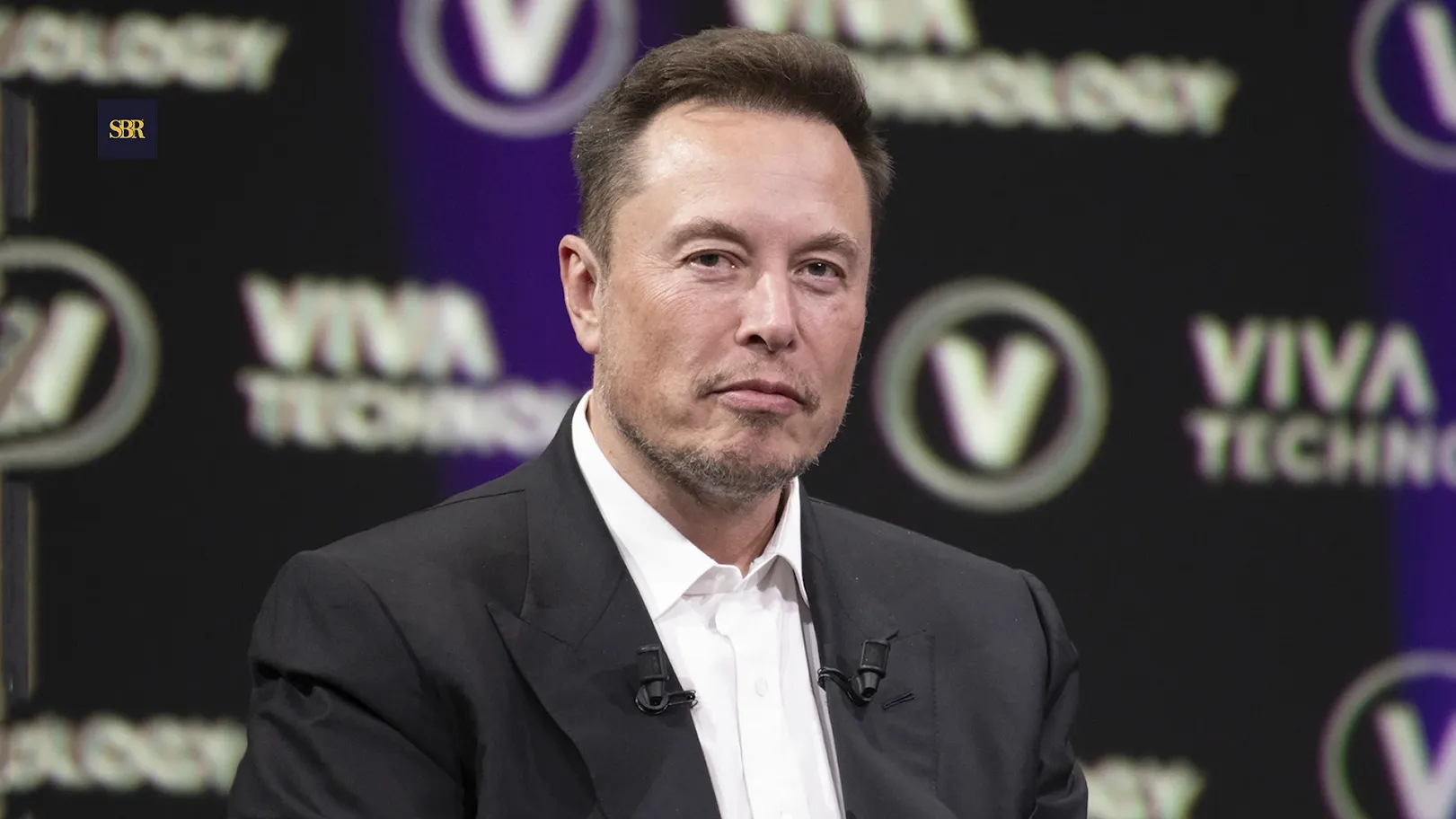
NEW YORK, June 13, 2026 — Elon Musk becoming the world’s first trillionaire after SpaceX’s public listing has been framed as a historic personal milestone. That framing captures the headline outcome, but it misses the more instructive story: how modern markets assign value when current earnings provide only a partial guide to price.
SpaceX is now valued at more than two trillion dollars following its IPO. That figure is not anchored primarily in current profitability. It is anchored in expectations about future revenue streams, including satellite internet services, launch demand, and broader space-based infrastructure still in development.
This difference is not incidental. It reflects how equity markets price companies operating in long-duration, capital-intensive sectors, where valuation is shaped more by extended time horizons and expected future cash generation than by near-term earnings.
Valuation is Built on What Comes Next
Public markets still rely on earnings, cash flow, and balance sheet strength. But for companies positioned in emerging industries, those measures often function more as inputs than final determinants of value. In SpaceX’s case, valuation reflects projected scale rather than realised performance. Investors are effectively assigning present value to outcomes that depend on sustained demand growth, technological deployment, and commercial adoption over extended time horizons.
This is where the interpretive tension arises. The further pricing moves into the future, the more it depends on assumptions that cannot yet be verified through operating results.

Operational Success Does Not Fully Explain Scale
SpaceX’s operational record is not in dispute. Reusable launch systems have altered cost structures in space access. Starlink has built a large satellite-based communications network. The company has also established a leading position in commercial launch services. These achievements form the basis for investor confidence in the business. They also explain why SpaceX is treated as more than a speculative venture.
However, a valuation above two trillion dollars implies expectations that extend well beyond current operations. It assumes continued expansion into markets that are still forming, with revenue potential that remains uncertain in scale and timing. The gap between operational performance and market valuation is therefore not a contradiction. It is the mechanism through which future expectations are being incorporated into present pricing.
Wealth Outcomes Reflect Market Structure
Elon’s status as the world’s first trillionaire is a consequence of equity ownership in a company whose valuation has expanded sharply after listing. In that sense, the outcome is structural rather than exceptional.
When a small number of companies generate a large share of total market gains, concentrated ownership can produce outsized personal wealth. This is a structural feature of public equity markets rather than an exception. This creates a widening gap between operational value creation, distributed across employees, suppliers, and wider networks, and financial gains, which accrue primarily to equity holders.
Space as a Commercial Market Under Formation
The wider backdrop is the movement of space activity away from government-led programmes and into privately run commercial operations. Firms now provide launch services, satellite communications, and associated infrastructure at scale. SpaceX sits among the most prominent players in this transition, with its valuation shaped by expectations of how large and economically significant this emerging sector may become.
But that sector is still in formation. Its long-term demand profile, regulatory structure, and profitability dynamics are not yet fully established.
Markets Capitalise Future Value
The significance of Elon reaching trillionaire status lies less in the individual outcome than in what it reveals about valuation mechanics in modern markets.
Equity pricing in high-growth sectors is increasingly shaped by long-horizon expectations. Current earnings remain relevant, but they do not fully determine outcomes where future scale is the dominant variable. That dynamic produces results that can appear disconnected from present financial performance. Elon’s position is one expression of that system, where long-term expectations are capitalised into present value at scale.
In that sense, the trillion-dollar figure is less a personal endpoint than a reflection of how financial markets are currently pricing the future.
Elon’s status as the world’s first trillionaire is a consequence of equity ownership in a company whose valuation has expanded sharply after listing. In that sense, the outcome is structural rather than exceptional.









.webp)