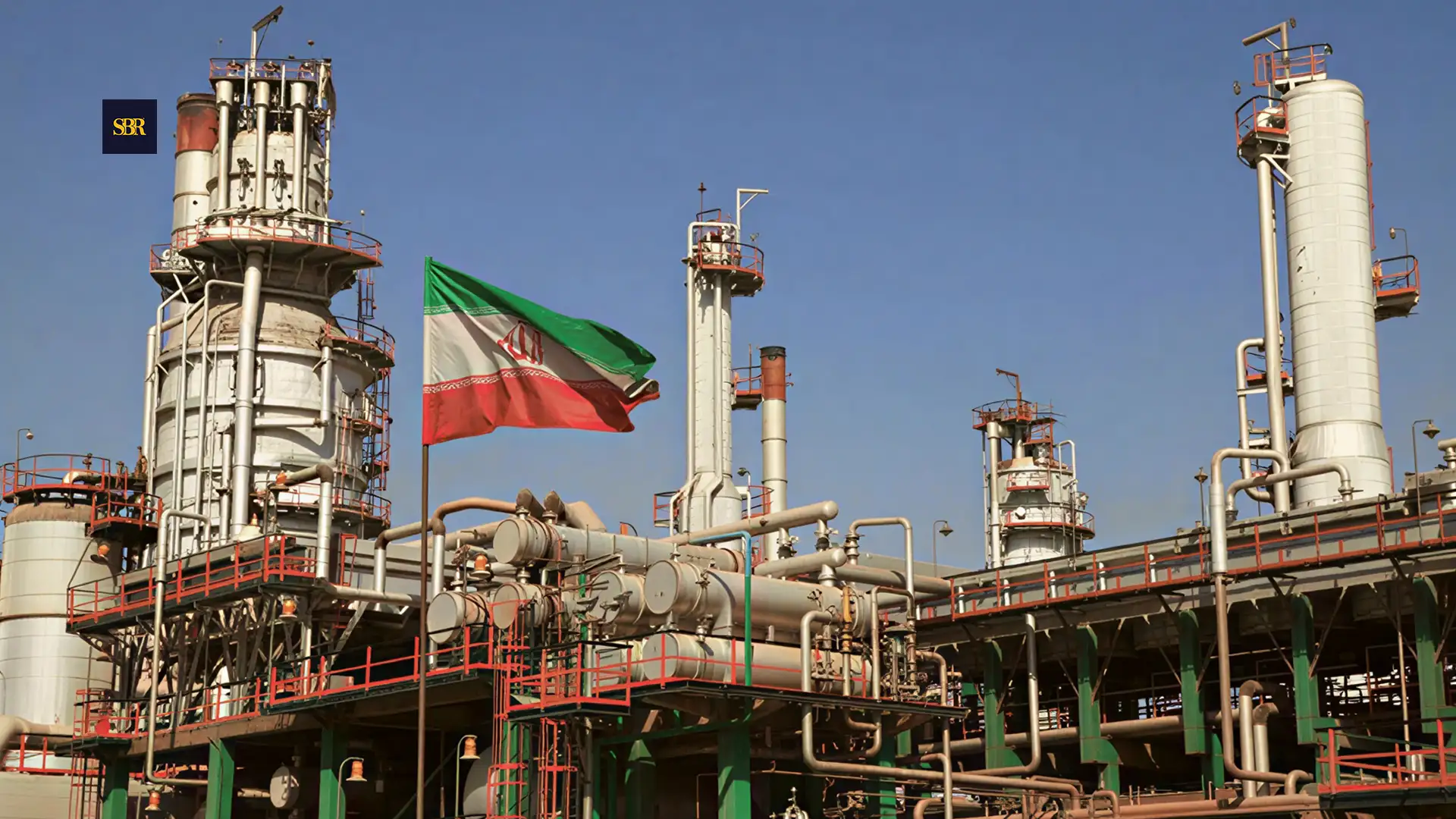
NEW YORK, March 17, 2026 — Middle East tensions over control of oil routes sent shock waves through energy markets and forced governments and companies to confront the fragility of global energy systems. After military strikes involving the United States and Israel prompted Iran to threaten retaliation against oil traffic through the Strait of Hormuz, traders and analysts began to reassess how little the world has moved away from reliance on crude. The strait is a narrow channel that funnels about one fifth of global oil and liquefied natural gas through waters bordered by Iran and Oman. When Iran warned that closing or disrupting this passage could send oil prices to unprecedented levels, it underscored how much of the world’s economy still hinges on flows of fossil fuel from a small region. Even though prices did not instantly double as some feared, the warnings alone unsettled buyers and governments because they showed how vulnerable global energy arrangements remain when a small number of producers and a handful of sea routes control most exports.
Leaders in Europe, Asia, and North America have long spoken about reducing dependence on oil, yet the crisis made many realize those words have not translated into alternatives that can fully take the place of crude. Solar panels and wind turbines are now common across many nations, and electric vehicles are on roads from Shanghai to San Francisco, but the world still runs on oil. Ships, airplanes, trucks, industrial plants, and petrochemical industries rely on it daily. When Iran suggested that disruptions could escalate, the idea of energy that is not tied to fossil fuel seemed distant for many parts of the world, forcing leaders to reconcile political rhetoric with economic reality.
Middle East Oil Movements Show Vulnerabilities
Benchmark prices for crude initially reacted by climbing, but regional movements offered even sharper evidence of anxiety about oil flows. In parts of the Middle East and Asia, local crude grades fetched higher premiums, a sign that buyers who needed barrels to run refineries were willing to pay more to secure them. Those premiums showed how strained oil channels could become even without a full shutdown of exports. Traders watching these movements noted that when buyers pay above international benchmark prices, they do so because they cannot rely on stable delivery through established routes.
When actual barrels move at a premium, it does not mean the entire world will suffer immediately, but it does show where the stress points lie. China, Japan, and other major importers of Middle Eastern crude reorganized cargo purchases, while some vessels began to detour around riskier waters. That added time and cost to journeys, which eventually flows into prices for refined products such as diesel and jet fuel. As costs rise, transportation and manufacturing sectors start to feel the effects, which then spread into broader economic concerns for countries that import most of their energy.

Downstream Effects Ripple Through Regional Economies
Airlines faced higher costs as they calculated fuel needs for long-haul flights and factored in additional expenses. Cargo operators that had been managing slowdowns in global trade now had to deal with higher fuel costs, while truck operators faced similar challenges with diesel. These changes did not happen in isolation. Retailers adjusted logistics plans, manufacturers reassessed inventory schedules, and governments revised projections for inflation and economic growth. In countries that depend heavily on imported energy, these adjustments altered fiscal plans and budget forecasts.
Refiners outside the Middle East could not fully offset the shortfall because infrastructure to shift production among regions is limited. North American shale producers, for example, have ample output but are tied to pipelines and export terminals designed for specific markets. Nations in Africa and Latin America face political or logistical challenges that restrict exports. These factors left many countries with few immediate alternatives other than to pay premiums on existing grades or reduce consumption. Higher costs eventually reached households, which delayed travel and adjusted spending patterns, while industrial users modified production schedules.
Energy Transition Faces a Strategic Test
Renewables Have Not Replaced Oil in Key Sectors: Despite years of investment in solar, wind, and hydropower, the world remains heavily dependent on oil for transportation, heavy industry, and aviation. Grids in many countries rely on a mix of fossil fuels and renewables, while durable alternatives for ships, trucks, and airplanes are limited. Batteries and hydrogen fuel cells are still emerging technologies, and adoption is not yet widespread. When disruptions in oil flows ripple through economies, it shows that energy systems remain vulnerable to geopolitical tensions that have existed for decades. Governments must now consider energy security alongside environmental commitments to avoid economic shocks.
Strategic and Policy Implications: Policymakers and business leaders are reassessing how to strengthen resilience as renewable capacity grows. Coordinated releases from strategic reserves offered temporary relief but cannot replace lost production or reduce uncertainty over deliveries. Some countries are exploring expanded storage and regional grid connections to allow low-carbon electricity to substitute for fuel in everyday use. The crisis underscores that the global energy transition is not just about cutting emissions but also about managing risk and ensuring stable access to energy while long-term alternatives scale up.
Lessons for Planning and Policy
As energy ministers and leaders convened to discuss responses, the crisis shaped debates about diversifying energy sources. Some advocated for faster deployment of renewable generation and storage to reduce dependence on volatile fossil fuel markets. Others focused on improving regional energy grids to allow electricity from low-carbon sources to substitute for fuel in everyday use. The events highlighted the interconnectedness of economic stability and environmental goals, requiring planners to evaluate energy systems in a holistic way.
Industry executives reassessed capital expenditures, weighing investments in technologies like next-generation nuclear and biofuels for their potential to enhance resilience as well as environmental benefits. Financial markets shifted funding toward companies developing alternative energy and efficiency solutions, while oil producers defended the ongoing relevance of their products in meeting current global demand. Public sentiment shifted too, with households expressing interest in energy options that are not subject to geopolitical strife. Voters and consumers pushed for policies that expand renewable generation and reduce fuel use, but significant infrastructure and behavioral changes remain necessary before oil dependency can diminish enough to prevent future shocks.
Through these events, the world confronted a reality many had anticipated but not fully prepared for: Even as nations build new energy systems, oil still dominates economies and can disrupt activity when threatened. Iran’s oil warnings gave urgency to discussions about reconciling environmental objectives with economic stability and prompted a rethinking of priorities and strategies that may shape energy policy for years to come.
When Iran suggested that disruptions could escalate, the idea of energy that is not tied to fossil fuel seemed distant for many parts of the world, forcing leaders to reconcile political rhetoric with economic reality.











.webp)