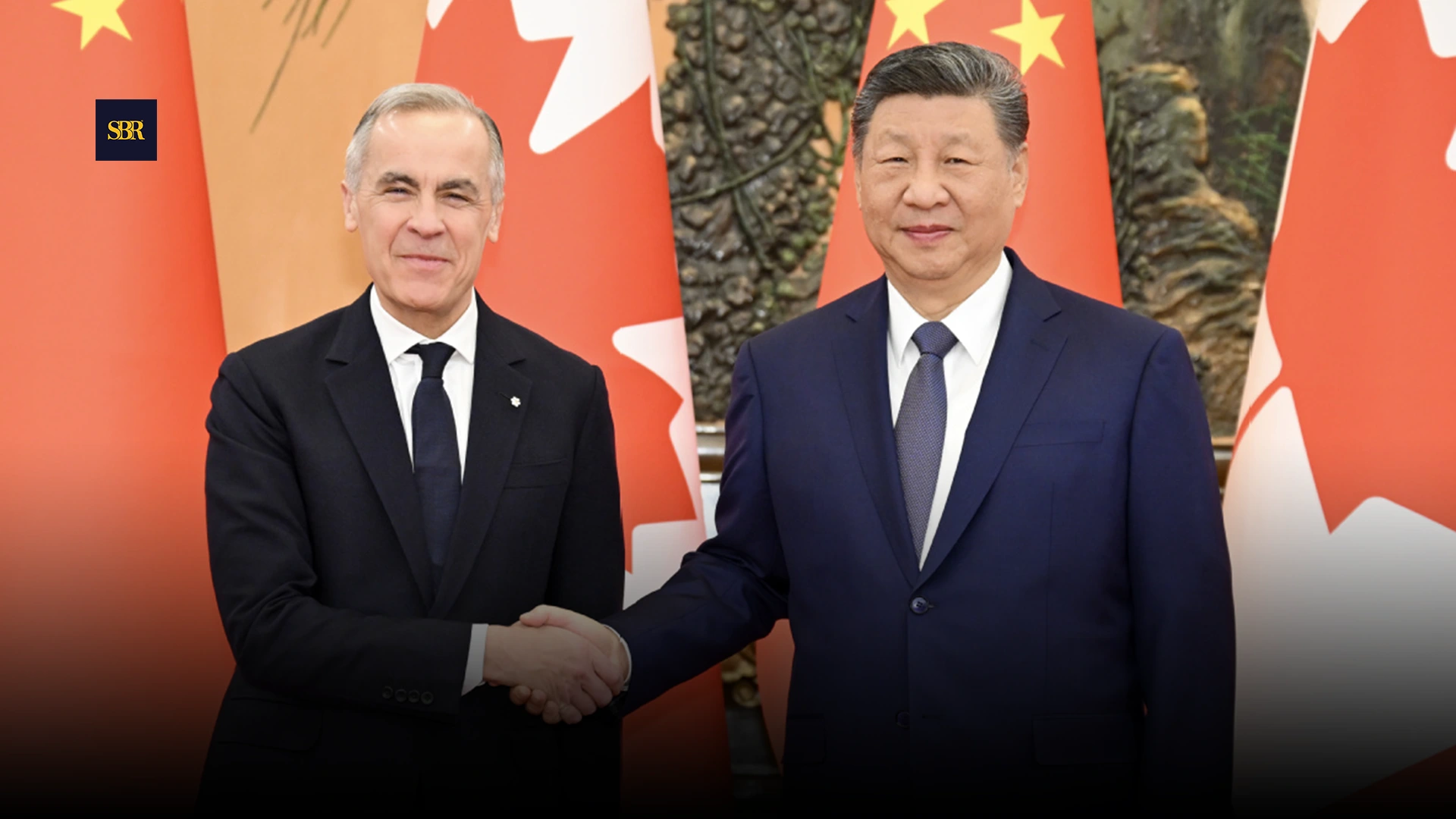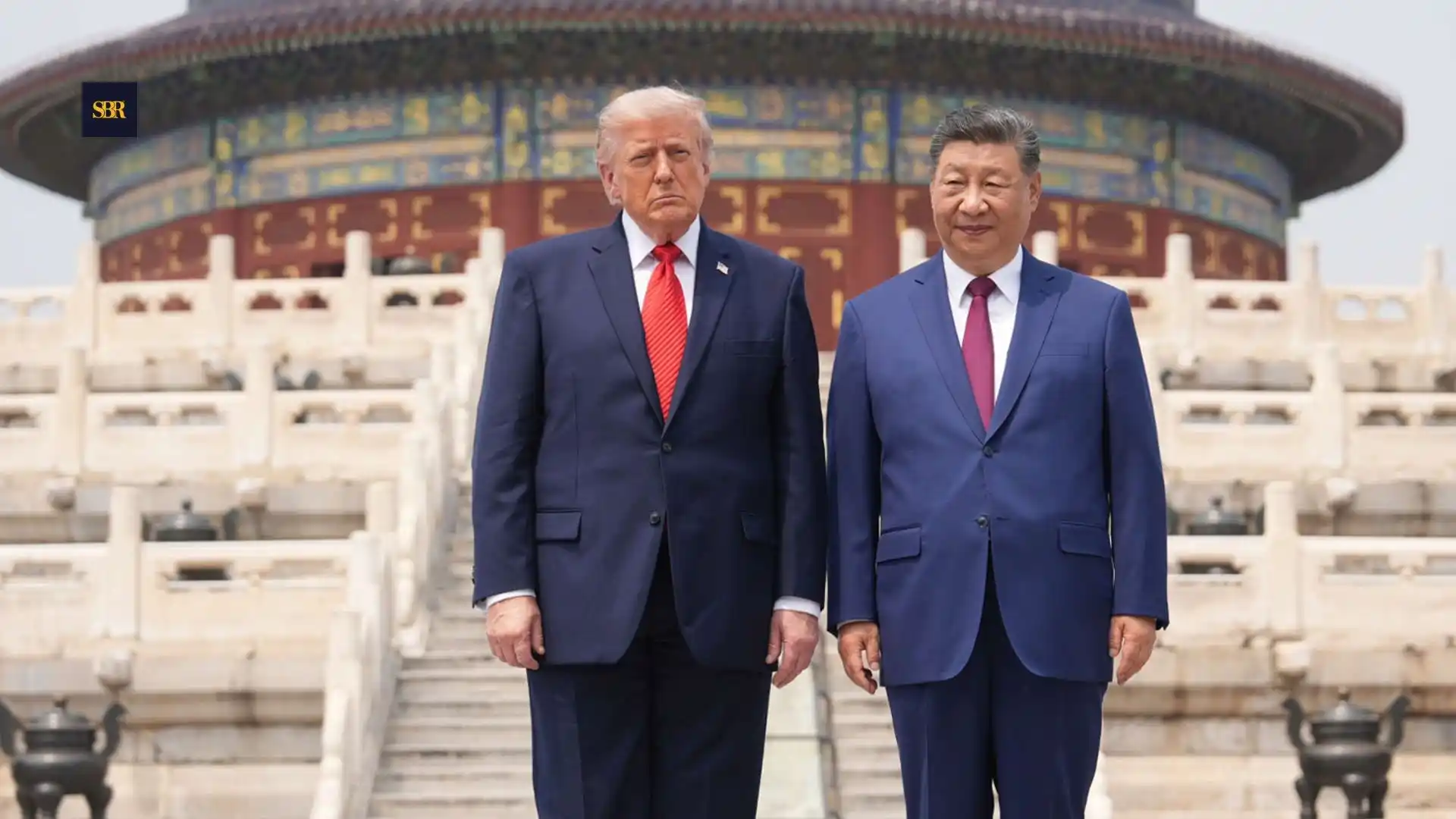
BEIJING, May 14, 2026 — China has agreed to buy 200 Boeing aircraft, according to Donald Trump, during remarks made while he was in Beijing for talks with Chinese President Xi Jinping. Trump described the arrangement as agreed in principle. He did not provide details on aircraft types, delivery schedules, or which airlines would receive the planes. The announcement highlights aviation trade between the United States and China, a relationship that has experienced repeated interruptions in recent years.
Market Reaction and Investor Focus
Boeing shares fell after the announcement. Investors had been anticipating a larger order based on earlier speculation circulating in financial markets. The 200-aircraft figure prompted reassessment of expected revenue linked to China, one of Boeing’s most important international customers. Analysts also noted that there was no immediate confirmation from Chinese aviation authorities, which left questions about how far the agreement has progressed in formal terms. Trading activity reflected sensitivity to both order size and a lack of detailed documentation.

Trade Discussions Extend Beyond Aviation
The aircraft announcement formed part of broader discussions between the United States and China in Beijing. Talks also covered agriculture, energy, and wider trade relations between the two countries. Officials referenced multiple areas where commercial arrangements were under discussion. No comprehensive trade agreement was announced covering all sectors. Instead, developments were described in terms of separate areas of negotiation. Aviation was one of several industries included in the discussions, rather than the only focus.
Agriculture and Energy Discussions: Agricultural trade featured in discussions, with references to ongoing exchanges involving U.S. exports to China. Energy was also included in the talks, reflecting long-standing commercial links between both countries in commodities such as oil and gas. Officials described these areas as part of wider trade conversations, though no detailed breakdown of volumes or contracts was released.
Industrial and Commercial Coordination: Industrial trade discussions extended to manufacturing and broader commercial coordination between the two economies. Aircraft purchases were mentioned alongside other potential areas of goods exchange. However, no single consolidated agreement covering all sectors was announced, and individual components were described separately rather than as part of a unified package.
Boeing’s Role in the Chinese Market
China remains one of the largest long-term markets for commercial aircraft due to the size of its aviation sector and ongoing expansion in passenger traffic. Boeing has faced a more limited flow of orders from China in recent years. Competition from Airbus has been strong, with Airbus securing significant sales and production arrangements in the country. A confirmed order of 200 aircraft would represent a significant commercial development for Boeing in China. However, the absence of details on aircraft types and timing makes it difficult to assess how the order would be distributed across Boeing’s production programs. China’s airline sector typically includes a mix of narrowbody and widebody aircraft requirements, but no breakdown was provided in this case.
Unresolved Details on Execution and Timing
The announcement did not include technical specifications, delivery schedules, or airline-level allocation of aircraft. It is also unclear whether the agreement has been fully signed or reflects a preliminary commitment subject to further documentation. Boeing has not issued a detailed confirmation outlining contract structure or timing. Chinese aviation authorities have also not released a full statement confirming the order in operational terms. Without those details, the commercial effect on Boeing’s production planning remains uncertain.
Diplomatic Context of Large Aircraft Orders
Large aircraft purchases often feature in high-level meetings between the United States and China. Such deals have previously been announced alongside broader trade discussions covering multiple sectors. The 200-aircraft figure is significant in scale, though lower than earlier market expectations. That gap between expectations and confirmed details contributed to market movement following the announcement. Aviation deals of this size typically require extended coordination between airlines, manufacturers, and regulators before full execution. The current announcement, therefore, is at an early stage of confirmation, with further documentation expected before aircraft production schedules can be fully adjusted.
China remains one of the largest long-term markets for commercial aircraft due to the size of its aviation sector and ongoing expansion in passenger traffic.