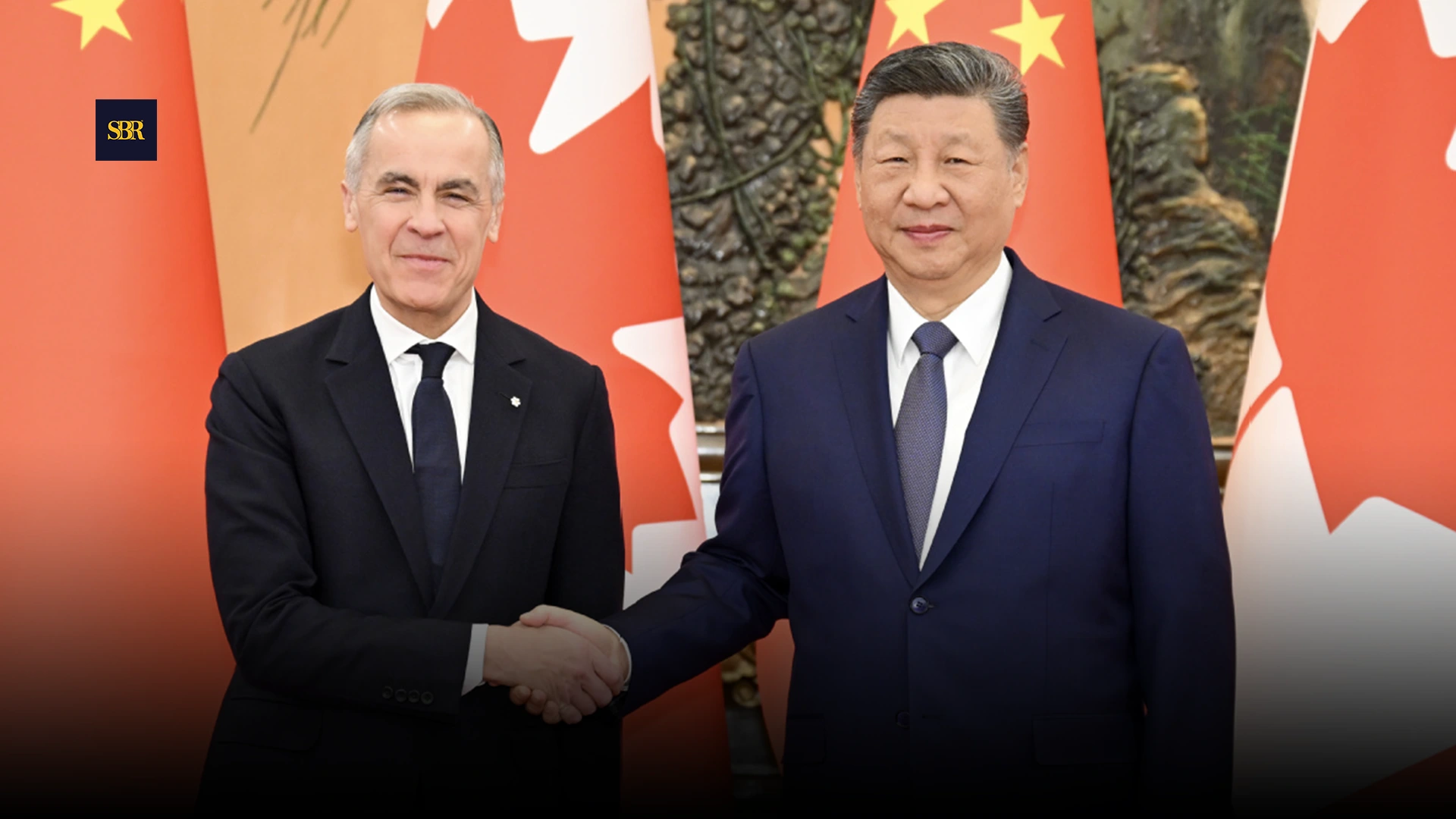
BEIJING/OTTAWA, Jan. 16, 2026 — Canada and China have agreed to sweeping tariff reductions on electric vehicles and agricultural goods, signaling a renewed phase in bilateral trade relations after years of strain. Prime Minister Mark Carney said the agreements would unlock export opportunities, attract investment, and reestablish commercial ties that had been constrained by earlier disputes.
Mark, the first Canadian leader to visit China in nearly a decade, described the outcome as a milestone that reopens doors for Canadian producers while offering Chinese manufacturers expanded access to North American consumers. The deals were announced following meetings with senior Chinese officials and were later outlined in statements from both governments.
Electric Vehicles Return to the Trade Agenda
Under the agreement, China will be allowed to export up to 49,000 electric vehicles to Canada at a tariff rate of 6.1 percent. That represents a sharp reduction from the 100 percent duties imposed in 2024, when Ottawa aligned with U.S. trade measures targeting Chinese-built EVs.
Mark said the revised tariff structure reflects Canada’s need to develop a competitive electric vehicle sector while maintaining safeguards for domestic manufacturing. Exposure to global manufacturing practices, he added, would help Canadian firms scale production and meet consumer demand.
Chinese automakers have shown interest in investing in assembly facilities and battery production in Canada, according to people familiar with the discussions. Such investment could support employment and strengthen Canada’s role in North American EV production without displacing domestic operations.

Canola and Seafood Exports Reopen
Canadian agricultural exporters are set to benefit from significant tariff relief, particularly in the canola sector. Duties on canola seed are expected to fall to about 15 percent by March, down from levels that had reached as high as 84 percent during earlier disputes.
Tariffs on canola meal, peas, lobsters, and crabs are also expected to be suspended through the end of the year. Canadian officials estimate that the measures could release nearly three billion dollars in delayed or cancelled export orders, offering relief to farmers and fishers who had struggled to access the Chinese market.
Industry groups said China remains one of the largest buyers of Canadian canola. Restored access could stabilize farm incomes and support rural economies that had borne the brunt of the earlier restrictions.
Investment and Energy Cooperation
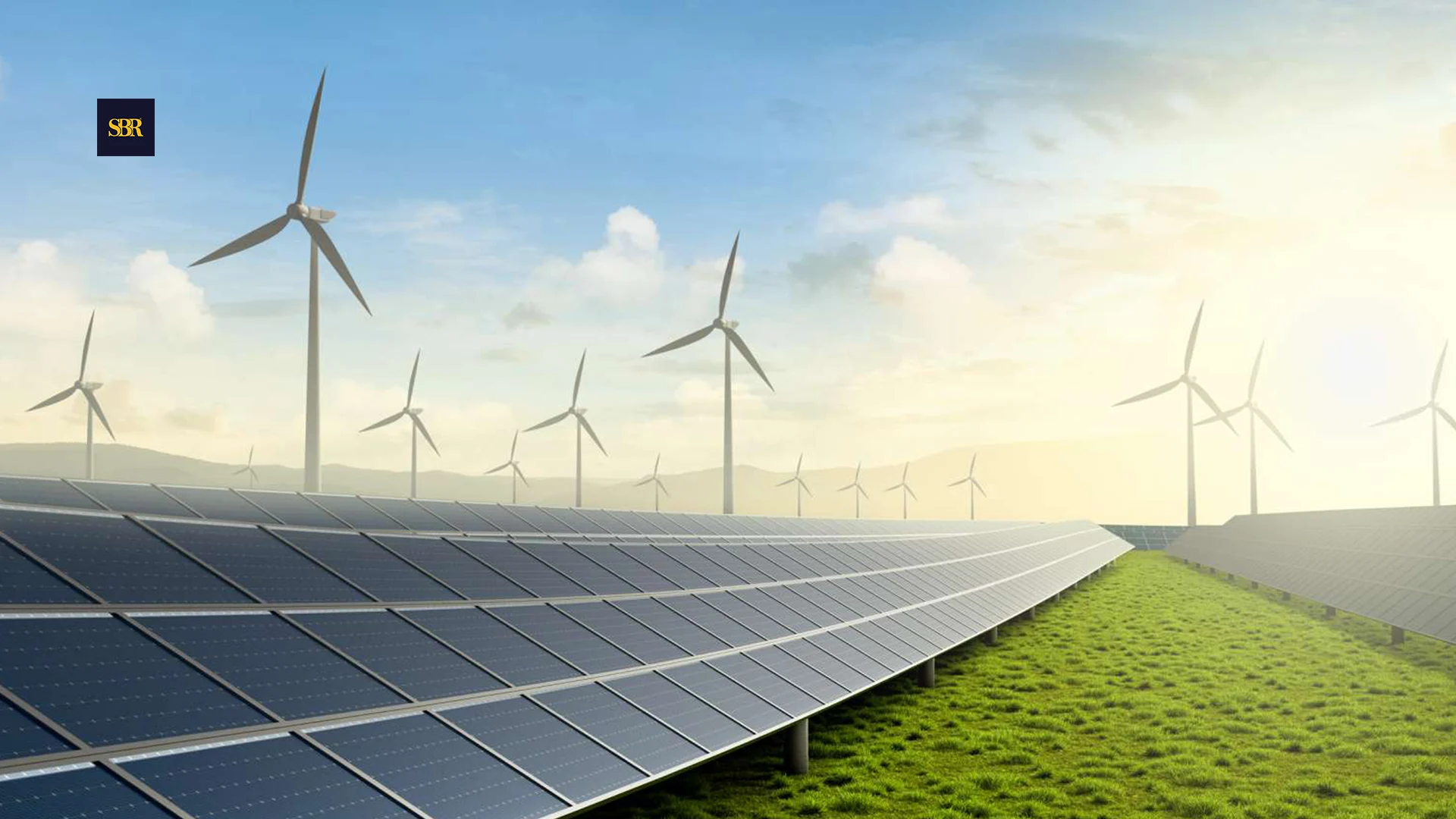
Beyond trade flows, Mark highlighted opportunities for cooperation in energy and infrastructure. Canada plans to expand its electricity grid over the next 15 years, a project that could involve partnerships with foreign firms specializing in grid technology, storage systems, and power generation.
Chinese companies have expressed interest in participating in Canadian energy projects, including renewable power, oil, and gas. Mark said any cooperation would follow Canadian regulatory standards and security reviews, while welcoming capital that supports long-term development.
He framed the agreements as part of a broader effort to diversify trade relationships and reduce reliance on a narrow group of partners. Access to Chinese capital and manufacturing expertise, he said, could complement domestic priorities rather than compete with them.
A Reset After Years of Friction
Diplomatic Tensions Set the Stage: Canada-China relations had deteriorated over several years following disputes over technology, agriculture, and market access. Trade restrictions imposed in 2025 targeted more than 2.6 billion dollars worth of Canadian farm and food products, sharply limiting shipments of canola, seafood, and pulses.
The measures strained exporters and narrowed commercial engagement, while diplomatic contact remained limited. Canadian officials repeatedly called for structured dialogue, arguing that prolonged trade barriers were damaging producers on both sides. The absence of formal engagement also delayed progress on broader economic issues, including investment rules and regulatory coordination.
Dialogue Resumes with Defined Terms: The latest agreements signal a return to formal engagement through restored economic and financial discussions. In a joint statement released after the meetings, both governments committed to reopening dialogue channels focused on trade, agriculture, and energy cooperation.
Mark said the renewed talks provide predictability for exporters and investors who had faced uncertainty for years. Progress, he added, would depend on adherence to agreed terms and continued communication at senior levels. The restart of dialogue does not resolve all disputes, but it reestablishes a mechanism for managing them.
What the Agreements Signal
Analysts say the tariff reductions reflect a pragmatic shift shaped by economic realities rather than ideology. Canada gains restored access to a major export market, while China secures a pathway into a North American EV market that remains difficult to enter.
The agreements also arrive as global trade patterns adjust to industrial policy and regional alliances. By reengaging with China on defined terms, Canada reinforces its role in global trade while retaining domestic oversight.
For exporters and manufacturers, the immediate result is renewed access and commercial visibility. For policymakers, the outcome underscores the value of diplomacy in reopening markets that had remained closed for years.
As shipments resume and talks continue, the agreements signal a move away from confrontation toward structured engagement, reshaping Canada’s trade outlook with one of the world’s largest economies.
Mark said the renewed talks provide predictability for exporters and investors who had faced uncertainty for years.















.webp)