NEW YORK, Jan. 19, 2026 — Equities fell, currencies shifted, and gold rose as investors digested fresh tariff threats and China’s export strength contrasted with weak domestic demand. Market movements reflected concern over how geopolitical conflict and uneven growth could shape financial conditions worldwide.
“Markets are recalibrating in real time to the dual forces of geopolitical conflict and shifts in economic momentum,” said a senior market strategist, capturing the mood among investors.
Trade Dispute Sends Shockwaves Across Markets
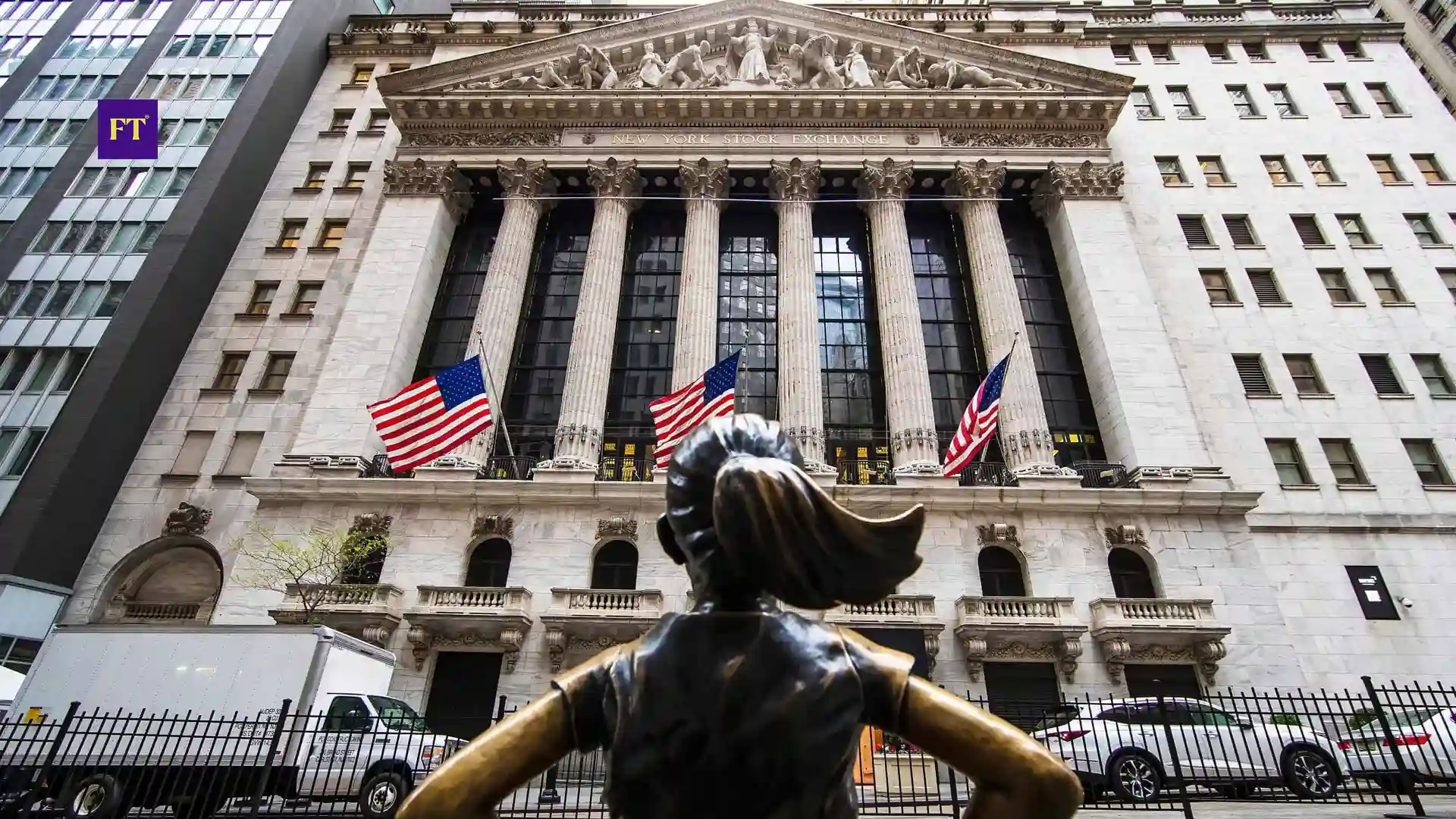
Major stock benchmarks in Asia and Europe opened lower following U.S. President Donald Trump’s announcement that tariffs would be imposed on imports from several European countries unless Greenland is sold to the United States. The statement raised alarm across financial centers from Tokyo to Frankfurt and New York because of the potential consequences for trade flows and corporate profits.
European indices such as Germany’s DAX and the U.K.’s FTSE opened with losses, while futures suggested further declines as markets adjusted to the heightened uncertainty. U.S. Treasury yields rose modestly and the dollar weakened against the yen and Swiss franc as investors repositioned portfolios. Precious metals surged, with gold and silver hitting multi-year highs, reflecting demand for assets perceived as safe amid market turbulence.
The United States plans to implement tariffs starting at 10 percent on February 1 and increasing to 25 percent by June 1 if the Greenland dispute is not resolved. The announcement surprised markets and introduced a new variable into global trade dynamics. European officials condemned the U.S. stance, describing it as coercive, while discussing potential countermeasures including tariffs and legal challenges through international trade bodies.

Uneven Signals from China’s Economy
At the same time, fresh data from China offered a mixed picture of the world’s second-largest economy. Exports remained strong, helping China post a trade surplus of roughly $1.2 trillion, but domestic consumption showed weakness, and retail sales growth slowed. Industrial output and manufacturing remained relatively robust due to global demand outside the United States, yet the property sector and consumer spending continued to dampen growth prospects.
China’s government has signalled targeted policy measures, including small interest rate cuts, to support credit and stimulate activity. While these measures lifted some regional equities, investor confidence remained cautious, reflecting concerns that domestic demand may not recover quickly. Economists warned that structural challenges such as the property slump and low household spending could constrain broader economic rebalancing in 2026.
Safe-Haven Assets Draw Investor Interest
Amid the market volatility, gold rose about 1.4 percent, while silver posted similar gains as investors sought protection against potential market dislocations. Bonds also saw higher trading volumes as fund managers adjusted risk exposure. Oil prices remained largely unchanged, with Brent crude around $64 per barrel and U.S. light crude near $60, as supply conditions in the Persian Gulf and other key regions stayed balanced.
Market participants said the surge in precious metals reflected expectations that trade friction and slowing growth could keep risk assets under pressure in the near term. Investors monitored developments closely, aware that even modest policy shifts or geopolitical escalations could ripple across equities, currencies, and commodities.
Data and Earnings Set the Tone
Corporate Results Highlight Investor Caution: Investors are paying close attention to corporate earnings reports from major multinational companies this week. Strong results could support equities, while weaker-than-expected numbers might deepen market declines. Analysts note that earnings from firms with significant exposure to Europe and Asia will be particularly scrutinized, as these companies face the direct consequences of tariff threats and slowing Chinese domestic demand. Trading patterns in equities and bonds suggest that even small surprises could trigger notable portfolio adjustments.
Economic Releases Could Shift Market Expectations: Alongside corporate reports, key economic indicators from the United States and Europe are expected to influence investor sentiment. U.S. data on employment and inflation could shape Federal Reserve policy expectations, while European industrial and service sector numbers will provide insight into how trade disputes and domestic demand conditions are evolving. Central bank commentary and policy updates will likely add further context, prompting investors to reassess risk exposure and market positioning.
Analysts noted that while markets had absorbed previous shocks in recent months, the combination of trade uncertainty and uneven economic signals prompted careful reassessment of portfolio strategies. Some strategists recommended shifting toward assets less sensitive to trade disruption and interest rate changes, while cautioning against overreacting to short-term fluctuations.
Trading on Monday reflected heightened caution. Volumes in bonds and currencies increased, spreads in risk assets widened, and the U.S. dollar’s retreat against major currencies signalled a shift in sentiment. Gold’s continued gains highlighted the role of safe-haven assets when geopolitical disputes and uneven economic conditions converge.
Investors are watching closely as developments unfold. Resolving trade disputes and understanding whether China’s domestic demand will strengthen could determine whether markets stabilize or remain under pressure. Until then, portfolio managers and traders are weighing the dual influence of geopolitical and economic factors shaping global financial conditions.
Markets are recalibrating in real time to the dual forces of geopolitical conflict and shifts in economic momentum.