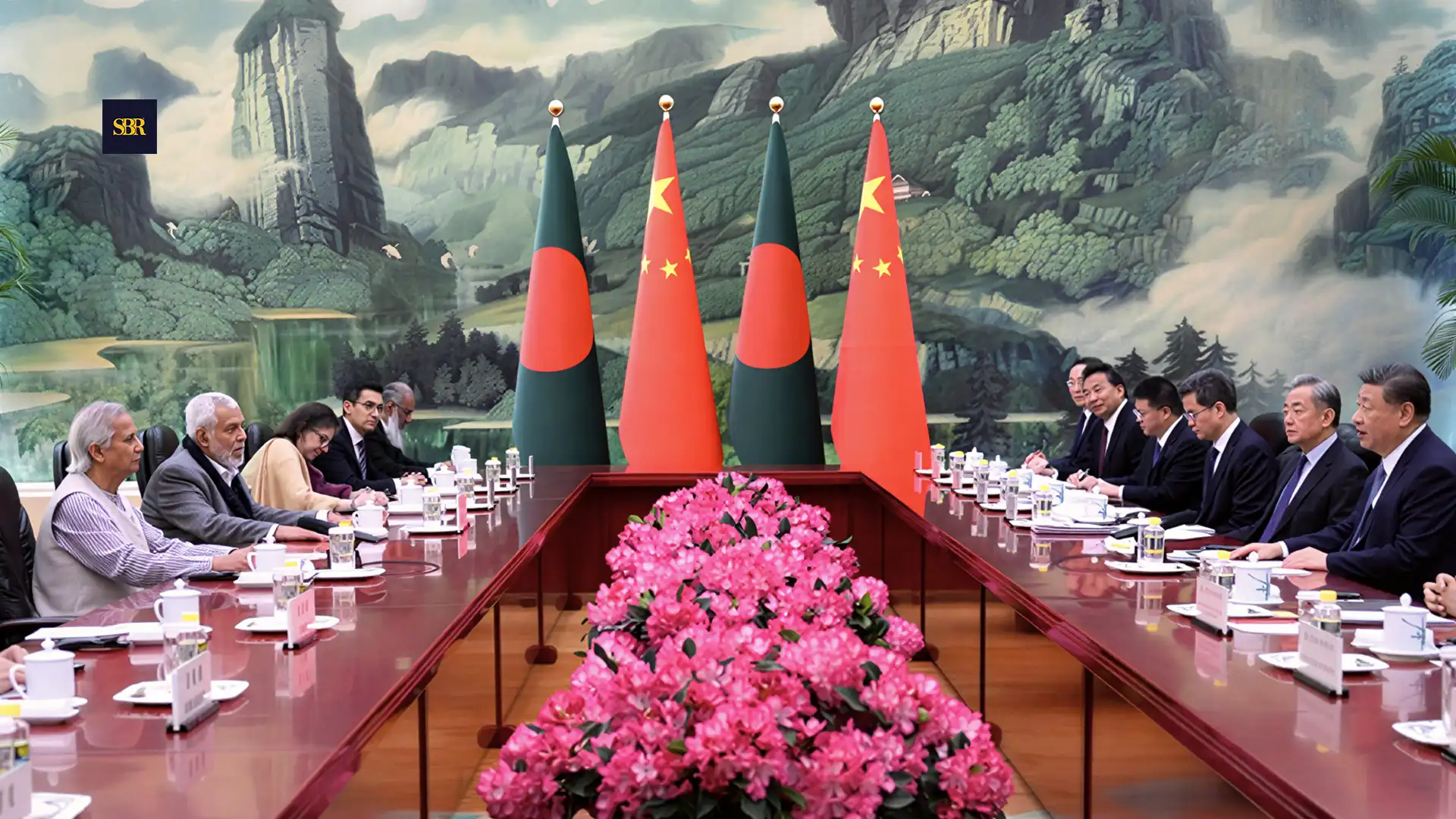
DHAKA/BEIJING, Feb. 11, 2026 — Bangladesh is entering a new political chapter with elections scheduled for February 12, after the departure of Sheikh Hasina and the ban of her Awami League party. The sudden shift has opened space for new international partnerships, and China has moved quickly to strengthen its presence. Among the agreements signed is a defense deal to build a drone manufacturing facility near the Indian border. At the same time, China is pursuing infrastructure and industrial projects worth billions of dollars. Chinese Ambassador Yao Wen has met with politicians, government officials, and journalists to discuss collaboration across multiple sectors, emphasizing the broad scope of China’s engagement.
Infrastructure and Industrial Projects
China’s investments cover roads, bridges, ports, and industrial zones, reflecting a long-term commitment to Bangladesh’s development. Modern transport corridors are being planned to connect ports to inland regions, and industrial parks are intended to attract businesses while generating employment opportunities. Analysts say these initiatives could help urban areas expand and strengthen regional trade networks. Officials in Bangladesh view the projects as an opportunity to advance development goals while deepening economic ties with China.

Defense and Technology Partnerships
Drone Manufacturing and Strategic Capability: A major part of China’s engagement is the drone manufacturing facility, which provides Bangladesh with advanced defense capabilities. The facility is expected to produce equipment that will enhance surveillance and operational operations within the country. Analysts note that such collaboration demonstrates China’s strategic focus, combining economic investment with tangible support for national security. The project also signals a closer working relationship between the two countries in defense technology.
Technology Transfer and Training Programs: In addition to the manufacturing facility, China is offering programs for technology transfer and technical training. These initiatives are designed to develop local skills in the maintenance and operation of equipment produced domestically. Government advisers say the programs provide Bangladesh with a stronger technical base and help integrate strategic and economic goals. The training and knowledge-sharing component adds a long-term dimension to China’s engagement, making it more than just an investment in infrastructure.
Managing Relations with India
While China’s influence grows, Bangladesh continues to manage its ties with India, which remains a geographically and economically important neighbor. Recent tensions, including disputes over cricket tournaments and visa restrictions, highlight the shifting dynamics in Dhaka-New Delhi relations. Political leaders have emphasized the importance of maintaining friendly relations with all neighbors, though some officials and citizens view India’s role in recent unrest as problematic. Analysts say the changing environment has created an opportunity for Chinese investment to play a more prominent role in the country’s development and strategic planning.
Regional and Strategic Implications
China’s expanding presence illustrates how it is leveraging political changes in Bangladesh to strengthen economic and strategic ties. Investments in infrastructure, industrial development, and defense technology demonstrate a comprehensive engagement across multiple sectors. Observers say the expansion could alter regional dynamics, giving Bangladesh new avenues for development while increasing China’s influence in South Asia. As the new government assumes office, the challenge will be balancing foreign partnerships with domestic priorities for economic growth, security, and political stability.
A major part of China’s engagement is the drone manufacturing facility, which provides Bangladesh with advanced defense capabilities. The facility is expected to produce equipment that will enhance surveillance and operational operations within the country.