LITTLETON, Colo., Oct. 6, 2026 — Surging demand from data centers and air conditioners put the U.S. power system through a demanding summer. Temperatures soared across the country's largest power markets, air-conditioning demand increased, and electricity use from data centers expanded rapidly. Yet that increase did not translate into a proportional increase in fossil-fuel generation.
Instead, record renewable output supplied much of the additional electricity and helped keep the power system running. The summer provided a real-world test of the long-standing argument that grid reliability ultimately depends on fossil fuels. Wind and solar can reduce emissions when conditions are favorable, but critics have argued that they cannot carry the system during periods of peak demand. Generation data from summer 2026 offered a different picture, with renewable resources supplying much of the additional electricity consumed during periods of high demand.
Solar Expands
Texas showed how the trend was playing out. The Electric Reliability Council of Texas (ERCOT) recorded load growth of roughly 4% during the first nine months of 2026 compared with the same period a year earlier. Clean-power generation increased by more than 11%, far outpacing total demand growth. Solar generation expanded by roughly 26%, while wind output increased more than 8%. Fossil-fuel generation increased by less than 1% even as total electricity consumption reached all-time highs.
The figures are notable given Texas’s position as the country's top power-consuming state and its combination of rapid population growth, expanding industrial activity, massive fossil-fuel production basins and some of the nation's largest proposed data-center road maps. Texas is often viewed as a bellwether for future U.S. electricity demand. If any major power market appeared likely to require a large increase in fossil-fuel generation to maintain reliability, Texas was among the most likely candidates. Instead, renewable resources supplied most of the incremental electricity, making ERCOT a potential blueprint for how other U.S. power systems can accommodate rapidly growing demand while limiting emissions growth.
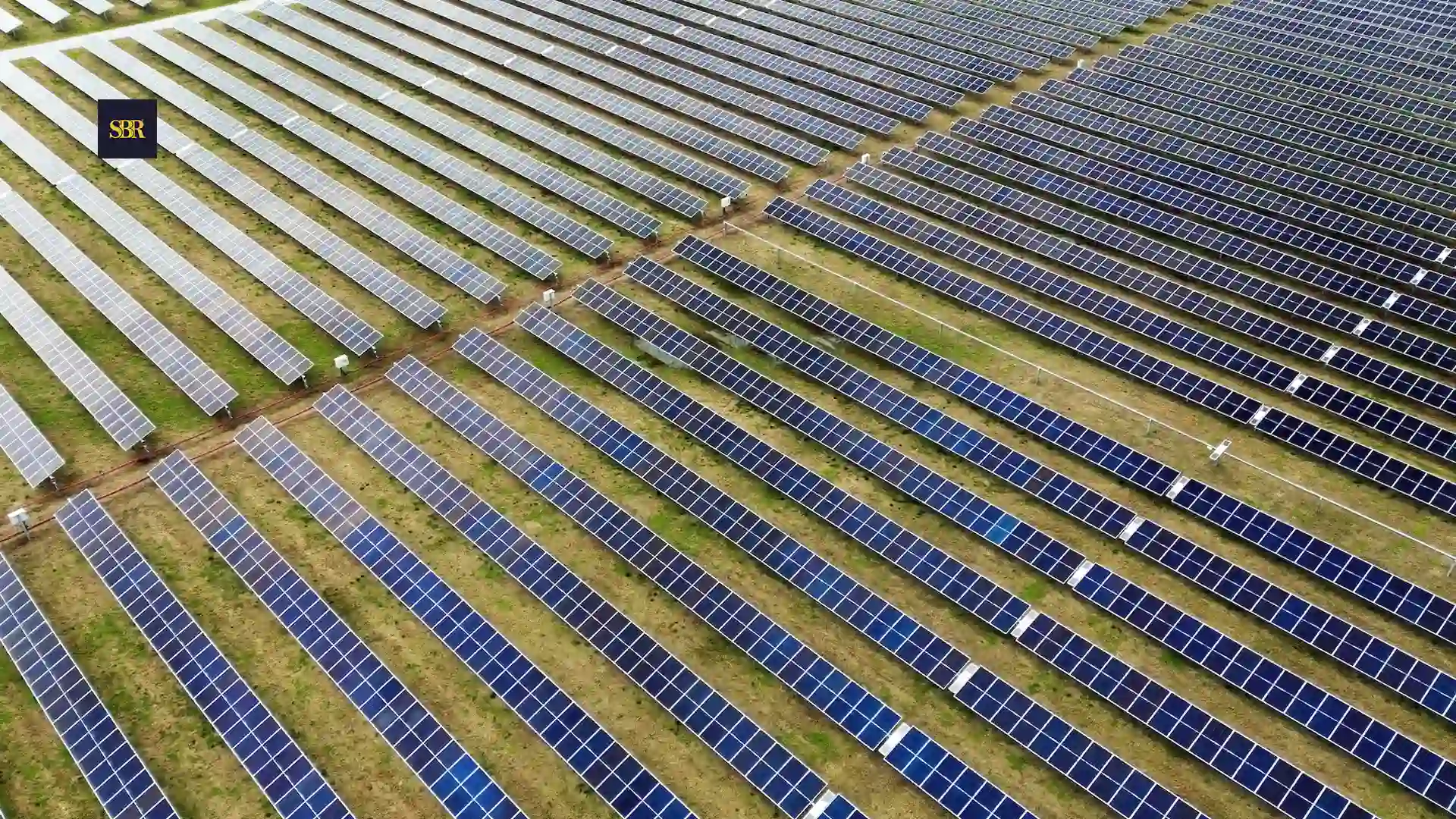
Solar was arguably the summer’s most important resource and made a major contribution during periods of system stress. Within ERCOT, monthly solar generation during July and August reached record levels, increasing by roughly one-third from year-earlier levels and accounting for more than 18% of the system's overall generation, according to LSEG data.
California’s solar farms also posted record generation levels and supplied around one-third of total utility-supplied power from May through August. PJM, which covers parts of 13 states across the Eastern and Central U.S., recorded a solar share of 4.4% during May through August, compared with 2.9% for all of 2025. The increase matters because the hours of strongest solar production increasingly overlap with periods when widespread air-conditioning use pushes electricity demand higher. Many of the additional megawatt-hours required on hot summer afternoons are now being supplied by solar facilities rather than fossil-fuel power plants.

Coal Loses Share
The generation figures show renewable resources taking more market share from coal than from natural gas. Most U.S. coal plants are designed for continuous baseload operation and take much longer than gas plants to ramp up and down when used as system-balancing resources. That difference leaves coal less suited to a power system with larger amounts of variable solar and wind generation.
The pattern is visible in the major power markets. In PJM, clean-power generation increased around 2.5% from January through September compared with the same months in 2025, while overall power demand increased around 1.2%. Solar output increased more than 20%, while fossil-fuel generation increased 0.4%. The figures show renewable additions meeting incremental electricity demand rather than leaving fossil generators to provide all of the additional supply.
That distinction has implications for emissions as well as reliability. Each additional unit of renewable generation can provide electricity while reducing emissions, and gas-fired plants can adjust output more readily than coal plants. Renewable generation is supplying more of the additional electricity required as demand expands, while coal loses market share as renewable resources grow and gas-fired plants retain an operational role.

Photo credit: Pexels
Gas-Fired Plants
Natural gas remains a vital component of the power mix, particularly because gas-fired plants can adjust output faster than many coal plants. Gas generation has generally remained more resilient as renewable resources have expanded because gas plants can respond to fluctuations in renewable production and provide electricity when solar output falls later in the day.
That capability matters in regions experiencing rapid electricity-demand growth. PJM includes northern Virginia, home to the country's largest clusters of data centers, and sits at the center of the U.S. data-center expansion. Many analysts have assumed that explosive growth in AI-related electricity demand would inevitably trigger a major increase in fossil-fuel generation. PJM's latest figures instead show clean-power generation growing faster than overall electricity demand, with renewable additions absorbing much of the incremental demand.
Gas-fired generation nevertheless remains important, and reliability concerns are not disappearing. Gas plants can ramp up and down more quickly than many coal plants when electricity production needs to change. As renewable output fluctuates, that capability allows gas-fired generation to respond without requiring fossil-fuel generators to provide all of the additional electricity required as demand grows.
This distinction could become more important as utilities prepare for another wave of data-center construction. Renewable additions can meet part of the additional electricity requirement, while gas-fired plants can respond when renewable production changes. Coal plants, which generally require more time to adjust output, face a more difficult role as the share of variable renewable generation increases.

Photo credit: Pexels
Battery Storage
Battery storage is reinforcing the contribution of solar by extending daytime production into evening hours, when electricity demand can remain elevated after solar output declines. Electricity generated by solar facilities during the day can be stored and released later, allowing solar resources to serve demand beyond the hours of strongest sunlight.
The overlap between solar production and peak summer demand also makes storage relevant to reliability. Hot summer afternoons brought high air-conditioning demand at the same time that solar generation was producing substantial amounts of electricity. Batteries can move some of that daytime generation into later hours, while gas-fired plants can provide electricity when renewable output changes. Together, solar and storage are becoming reliability resources rather than simply emissions-reduction tools.
The U.S. power sector still faces substantial challenges. Electricity demand is likely to continue climbing as AI infrastructure expands, manufacturing investment accelerates, and more sectors become electrified. Additional generation, transmission and storage capacity will be needed to meet that demand.
Summer 2026 nevertheless provided a significant test of the country's power systems. Major markets faced record heat, high cooling demand and rapidly increasing electricity consumption from data centers, yet renewables supplied most of the additional electricity. Wind, solar and batteries did more than reduce emissions during the summer: they helped keep the system running while limiting the amount of additional fossil-fuel generation required. As renewable resources expand, coal faces a declining share of generation while natural gas retains a role in responding to changes in renewable output and electricity demand.
Solar was arguably the summer’s most important resource and made a major contribution during periods of system stress. Within ERCOT, monthly solar generation during July and August reached record levels, increasing by roughly one-third from year-earlier levels and accounting for more than 18% of the system's overall generation, according to LSEG data.