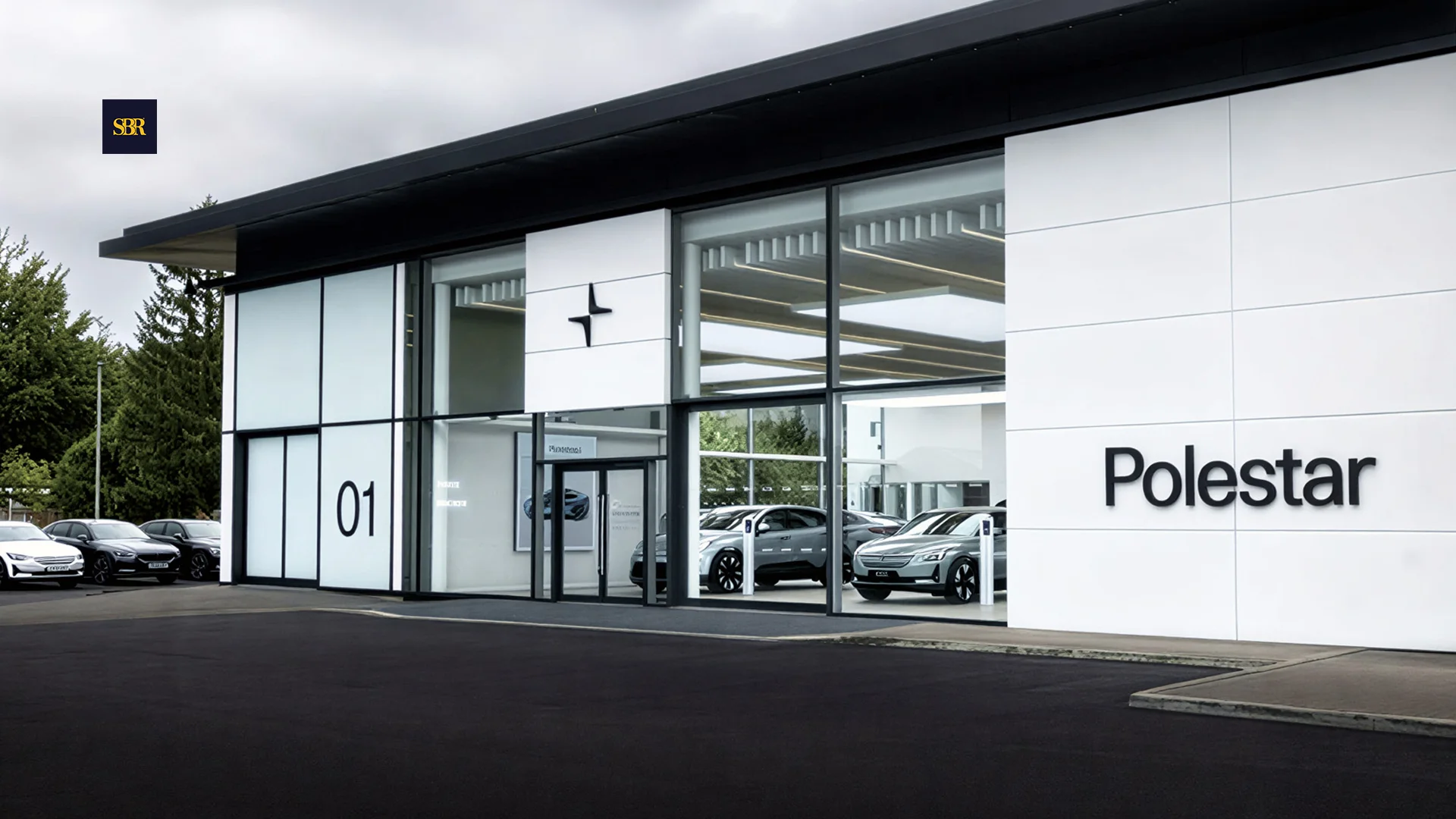
GOTHENBURG, Sweden, Feb. 18, 2026 — Polestar is relying on an updated vehicle lineup and stricter cost controls as it works to conserve cash and improve sales across Europe, where electric vehicle demand has cooled and competition has intensified.
The Swedish EV brand, backed by China’s Geely Holding and affiliated with Volvo Cars, has spent the past year reshaping its expense base while rolling out new and refreshed models. Those steps reflect a broader shift across the electric vehicle sector, as automakers respond to uneven consumer demand and aggressive pricing from rivals.
Executives said the company is aligning spending more closely with current sales levels and prioritizing higher margin vehicles. Rather than expanding rapidly into new markets, Polestar is focusing on strengthening its presence in Europe, which remains a key region for deliveries.
Cost Cuts Gather Pace as Demand Eases
Polestar has reduced operating expenses and reviewed investment plans in an effort to preserve liquidity. Management said overhead has been trimmed and certain expansion initiatives have been scaled back, allowing the company to protect its cash position while maintaining product development.
Across Europe, several governments have adjusted or reduced EV incentives, altering the economics for buyers. At the same time, consumers have become more selective as economic uncertainty weighs on big ticket purchases. These factors have contributed to slower industrywide growth than many manufacturers had anticipated.
In response, Polestar is maintaining stricter oversight of capital expenditure and working capital. Production volumes are being aligned more closely with demand forecasts to prevent excess inventory and limit reliance on discounting. This recalibration is intended to support healthier margins and reduce financial strain as the company works toward longer term stability.

Refreshed Models Anchor Sales Effort
Product updates form a central part of Polestar’s strategy. The company is leaning on refreshed versions of its existing vehicles along with newer models designed to broaden its appeal across different price points.
Broader Portfolio Targets Wider Buyer Base: The expanded lineup allows Polestar to address a wider spectrum of European consumers who are weighing cost, range and performance before committing to an EV purchase. By offering multiple body styles and battery configurations, the company is seeking to capture demand from both urban drivers and longer distance commuters.
Management believes that a more complete portfolio reduces reliance on any single model and provides resilience against shifts in consumer preference. With buyers scrutinizing total ownership costs more closely, offering differentiated options becomes a key lever in sustaining sales momentum.
Technology and Design as Differentiators: Enhanced software features, improved battery efficiency and refined interior design are central to the updated models. Rather than engaging in widespread price cuts, Polestar is highlighting performance credentials and Scandinavian design language to distinguish its vehicles from lower priced competitors.
This strategy reflects a calculation that brand identity and driving experience can support pricing discipline even in a competitive environment. By reinforcing its premium image while widening choice, Polestar is attempting to lift European volumes without undermining margins.
Europe Remains a Critical Market
Europe accounts for a significant share of Polestar’s global sales, making the region vital to its near-term performance. However, competition has intensified as established automakers accelerate their EV rollouts and Chinese manufacturers expand their footprint across the continent.
Tesla’s pricing adjustments in several European markets have added further competitive tension, prompting other brands to reassess their own strategies. Polestar acknowledged that such moves have influenced market dynamics, though it maintains that its design and performance credentials set it apart from lower priced rivals.
Instead of pursuing rapid geographic expansion, the company is strengthening relationships with dealers and service partners in markets where it already has brand recognition. This focus on depth over breadth is intended to deliver more consistent sales execution.
Industry Challenges Persist
The electric vehicle sector continues to face headwinds tied to pricing competition, shifting policy incentives and evolving consumer expectations. For newer entrants such as Polestar, achieving scale while preserving margins remains a delicate balance.
Executives said tighter coordination between manufacturing and sales operations will be critical in avoiding surplus stock and protecting cash flow. Investment decisions are being assessed against near term revenue prospects, with an emphasis on financial discipline.
Polestar’s ties to Geely and Volvo provide access to shared platforms and engineering capabilities, which can help limit development costs. That structure supports the rollout of updated vehicles without the full expense burden borne by standalone manufacturers.
Analysts have noted that sustained improvements in volume and gross margin will be necessary to strengthen the company’s financial position. For now, Polestar’s strategy centers on conserving cash, refining its lineup and reinforcing its standing in Europe.
The coming months will test whether refreshed models and tighter spending controls can translate into stronger sales momentum. As competition intensifies and consumer behavior evolves, Polestar’s ability to manage costs while delivering compelling electric vehicles will play a decisive role in shaping its trajectory across Europe.
Polestar is maintaining stricter oversight of capital expenditure and working capital. Production volumes are being aligned more closely with demand forecasts to prevent excess inventory and limit reliance on discounting. This recalibration is intended to support healthier margins and reduce financial strain as the company works toward longer term stability.
















.webp)