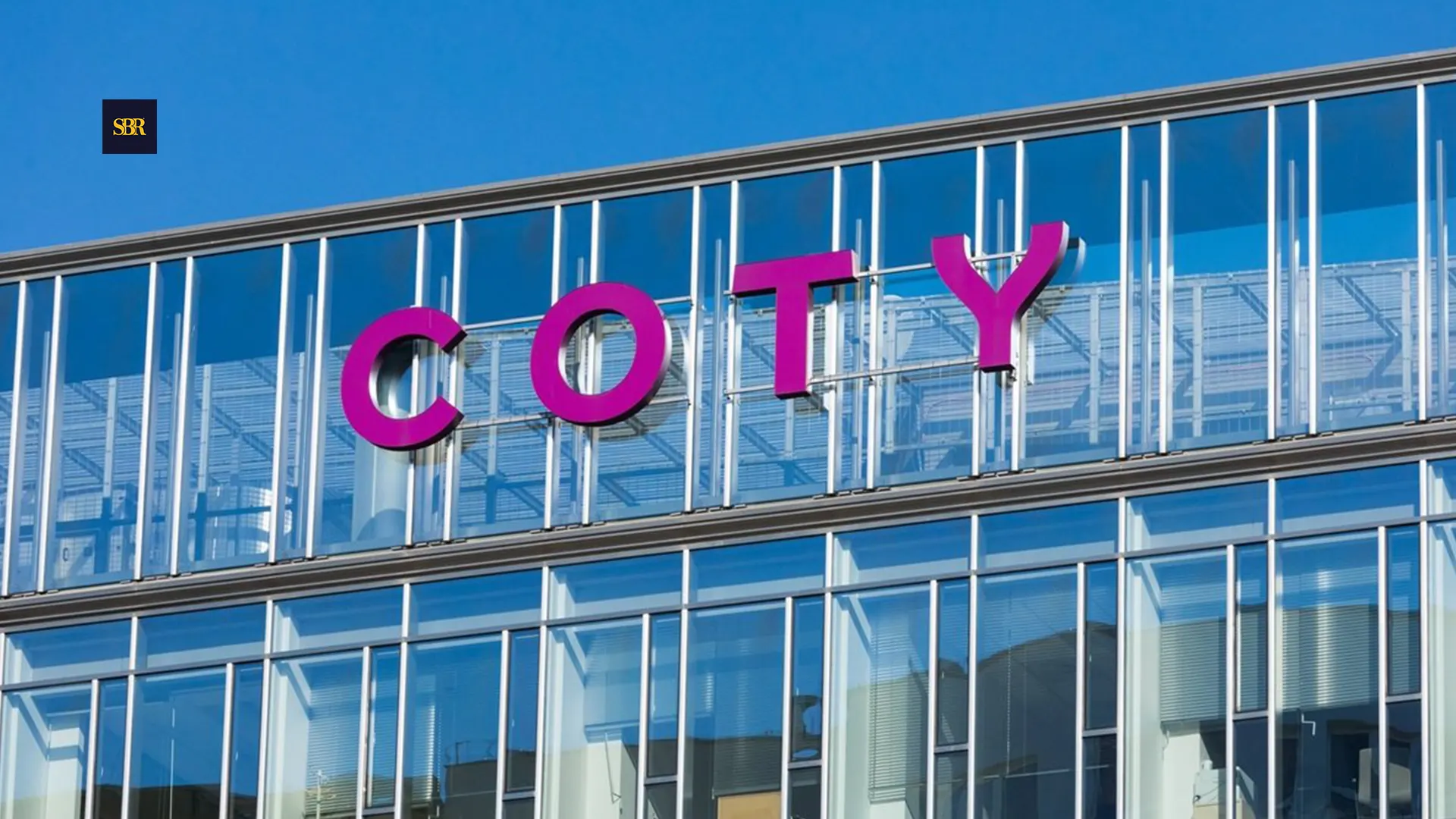
NEW YORK, Feb. 5, 2026 — Coty, the cosmetics company behind brands such as CoverGirl and Kylie Cosmetics, has withdrawn its full-year forecast as interim CEO Markus Strobel sets a new direction for the business. Strobel, who assumed the role on January 1, said the company would focus on the brands with the strongest growth potential while improving operational discipline. He brings experience from Procter & Gamble and faces a market in which global rivals and newer beauty brands continue to compete for market share.
The company reported second-quarter revenue of $1.68 billion, a 0.5 percent increase from the previous year, slightly above analysts’ expectations. Despite this modest gain, Coty expects third-quarter gross margins to fall by 200 to 300 basis points from last year. Following the announcement, shares fell roughly seven percent, reflecting a two-year decline of 73 percent. Strobel acknowledged that recent performance has fallen short and said the company must take decisive steps to strengthen results.
Focusing on High-Performing Brands
Strobel introduced a strategy called Coty Curated that aims to simplify operations and place greater emphasis on the company’s top-performing labels. CFO Laurent Mercier said the initiative seeks to focus resources on products and licenses with the greatest potential to deliver growth and profitability.
Priority Brands and Licenses: Brands such as Kylie Cosmetics, Burberry, and Marc Jacobs will remain central to the company’s strategy. These labels have demonstrated strong growth and attract significant consumer attention, allowing Coty to direct marketing and investment toward areas with the highest potential. Strobel said focusing on these key assets is intended to strengthen the company’s market presence while reducing distractions from underperforming brands.
Reviewing Smaller or Underperforming Labels: Coty is assessing smaller brands, including CoverGirl and Rimmel, for potential sale or scaling back. This review seeks to remove complexity from the portfolio and allocate resources more efficiently. Marketing spending will continue for the leading brands, but projected third-quarter adjusted earnings before interest, taxes, depreciation, and amortization are expected between $100 million and $110 million, far below analysts’ estimate of $201.6 million. Strobel emphasized that Coty has strong assets but has struggled with execution, which has contributed to the recent decline in share value.

Debt Reduction Strengthens Financial Position
Coty has taken steps to improve its balance sheet and reduce debt. In December, the company sold its remaining 25.8 percent stake in Wella to KKR for $750 million, using most of the proceeds to pay down long-term obligations. As a result, net debt to adjusted core earnings has fallen to 2.7 times, the lowest level in nine years.
Additional proceeds could come from a potential U.S. initial public offering of Wella later this year. Coty is also reviewing other licenses that do not meet thresholds for scale or profitability, including Orveda, a skincare brand co-founded by former CEO Sue Nabi. These moves are intended to create a leaner structure focused on brands capable of driving performance in a challenging market.
Facing Ongoing Industry Challenges
Coty still faces significant obstacles. The company is set to lose its exclusive Gucci fragrance and beauty license in 2028, and global competitors continue to expand their reach. While second-quarter revenue slightly exceeded expectations, declining margins and lower earnings underscore the difficulty of reversing recent trends.
Strobel emphasized the need to direct resources toward the highest-performing brands while continuing to monitor other assets. Investors will be watching how the company balances brand sales, debt reduction, and marketing initiatives to restore stability and growth.
Coty has taken steps to improve its balance sheet and reduce debt. In December, the company sold its remaining 25.8 percent stake in Wella to KKR for $750 million, using most of the proceeds to pay down long-term obligations. As a result, net debt to adjusted core earnings has fallen to 2.7 times, the lowest level in nine years.














.webp)