
WASHINGTON, Oct. 19, 2026 — The Department of War announced today a framework agreement with BAE Systems to ramp up production of the combat-proven Advanced Precision Kill Weapon System (APKWS), with procurement of up to 25,000 guidance sections annually for up to seven years, pending congressional authorization and appropriations.
Multi-Year Production Agreement
“The Arsenal of Freedom exists for one purpose: to guarantee our warfighters decisive advantage on the battlefield,” said Michael P. Duffey, Under Secretary of War for Acquisition and Sustainment. “By securing multi-year demand, this agreement keeps production lines running at capacity, provides our forces with interceptor inventory, and flips the cost calculus in the taxpayer’s favor.”
The agreement extends production beyond previous contracts, providing BAE Systems with the demand visibility needed to procure long-lead items and expand its skilled workforce. APKWS delivers a combat-proven, high-lethality interceptor while countering widespread aerial threats.

Allied Orders Fuel Demand
Beyond the baseline of 25,000 units per year, the framework establishes a pathway to increase output to as many as 35,000 units annually for international allies. Additional production will become available as partner nations submit Foreign Military Sales (FMS) Letters of Request (LORs).
Domestic Production Infrastructure
The Department will leverage allied demand to build out domestic production lines, strengthening the nation’s industrial base. Each active line directly expands sovereign U.S. surge capacity, preserving warm, high-rate manufacturing infrastructure ready to respond on short notice.
The agreement was finalized in partnership across the U.S. Army, Navy, Air Force, and Marine Corps.
What is the Arsenal of Freedom
The Department of War’s Arsenal of Freedom campaign is designed to rebuild the U.S. defense industrial base (DIB), strengthen domestic defense manufacturing, and accelerate delivery of weapons systems and military equipment to operational forces. Secretary of War Pete Hegseth launched the nationwide campaign in January 2026, with priorities spanning production capacity, workforce readiness, acquisition reform, and multiyear procurement commitments. The campaign addresses munitions production, shipbuilding, next-generation aircraft, and space capabilities.
The Department’s acquisition reforms are designed to accelerate procurement, reduce administrative barriers, and grant program managers greater decision-making authority while drawing on private-sector manufacturing capacity and technical expertise. Multiyear contracts give defense contractors and suppliers greater visibility into future demand, enabling investment in production lines, procurement of long-lead materials and components, workforce readiness, and supply-chain resilience. These measures are intended to replenish munitions inventories, sustain force readiness, and maintain the industrial capacity required to meet surge-production demands during contingencies.

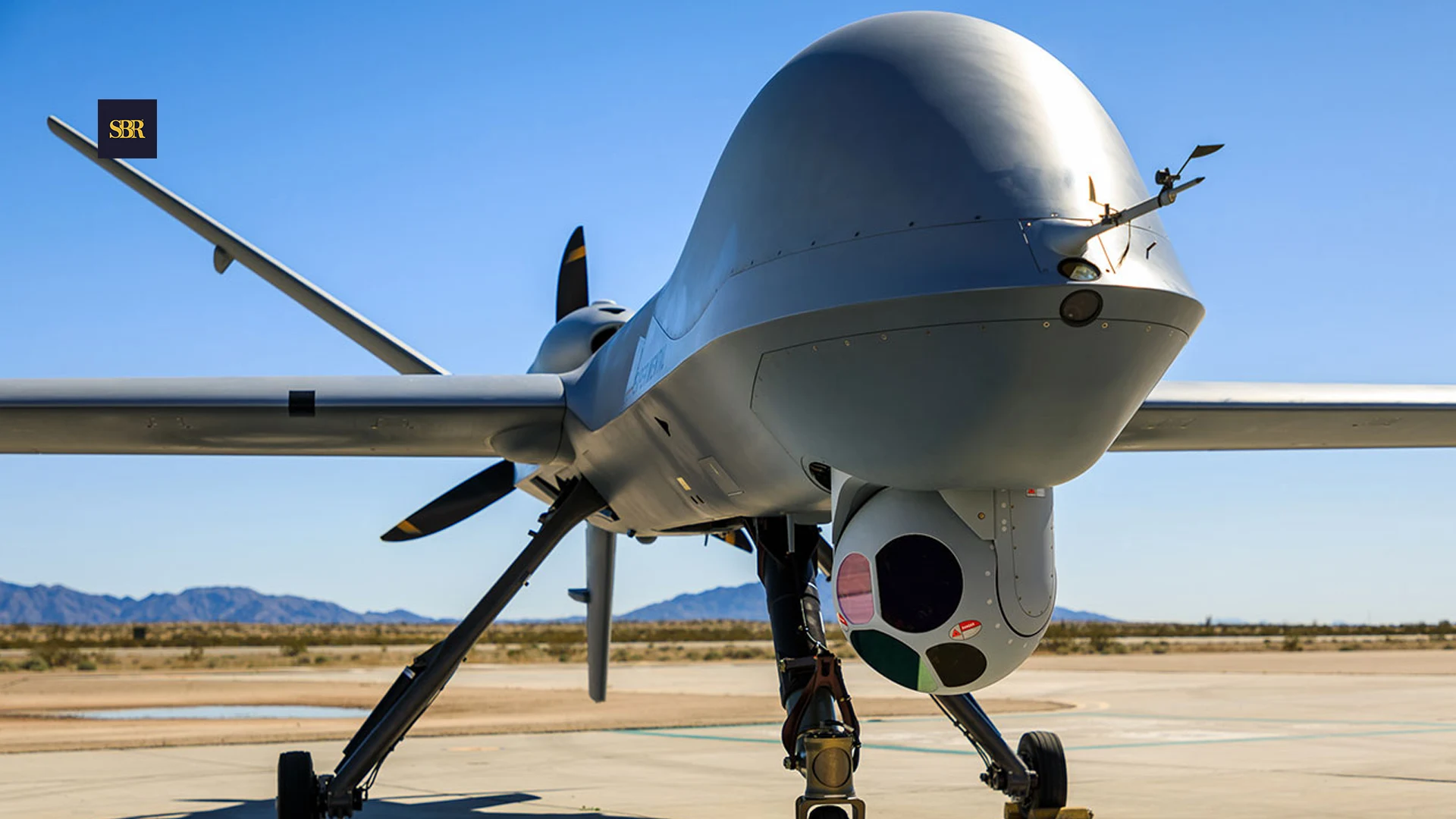
Photo credit: BAE Systems
The Arsenal of Freedom campaign also connects U.S. defense production with demand from allied and partner nations. The America First Arms Transfer Strategy, announced in February 2026, is intended to use arms transfers to strengthen domestic weapons production, reinforce critical supply chains, and sustain the industrial base serving the United States and its partners. Foreign Military Sales (FMS) can generate additional demand for U.S.-produced defense systems, helping manufacturers sustain production rates and preserve manufacturing capacity.
The Department of War’s framework agreement with BAE Systems for the Advanced Precision Kill Weapon System (APKWS) reflects these priorities. The agreement outlines procurement of up to 25,000 guidance sections annually for up to seven years, subject to congressional authorization and appropriations. Annual output could reach 35,000 units for international allies as partner nations submit Foreign Military Sales Letters of Request. The multiyear framework gives BAE Systems greater visibility into future demand, helping the company plan long-lead procurement and workforce requirements while maintaining domestic surge capacity.
By securing multi-year demand, this agreement keeps production lines running at capacity, provides our forces with interceptor inventory, and flips the cost calculus in the taxpayer’s favor.













.webp)