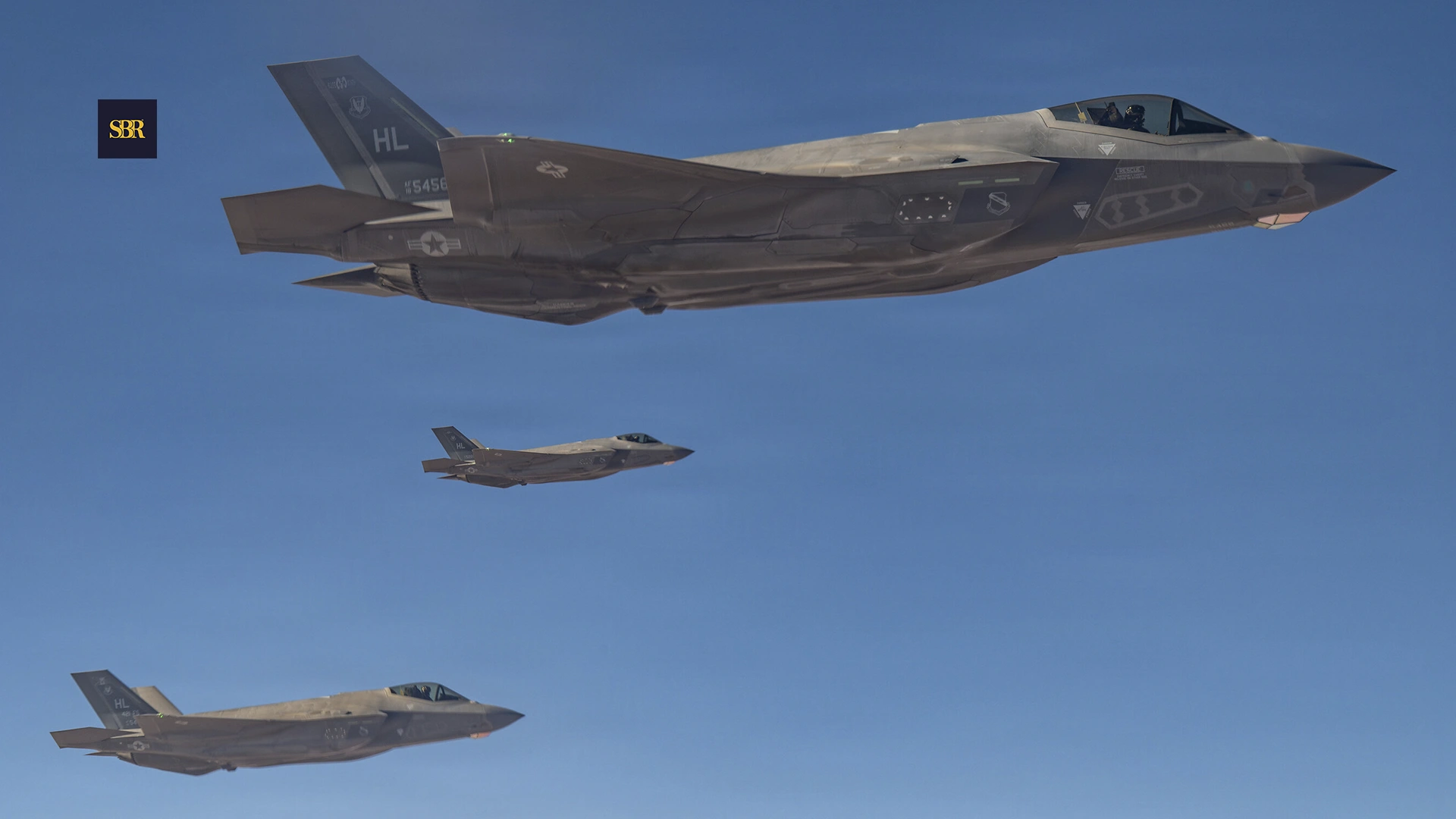
WASHINGTON, Oct. 22, 2026 — The U.S. Department of War and Lockheed Martin have finalized a landmark 10-year framework agreement to strengthen the F-35 Lightning II Joint Strike Fighter fleet. The agreement establishes a stable, long-term procurement signal to modernize and expand America’s fifth-generation tactical aircraft fleet. Execution remains subject to congressional authorization and appropriations.
“We have fundamentally changed how we stabilize the American defense industrial base to produce at speed and scale,” said Under Secretary of War Michael P. Duffey. “This agreement with Lockheed Martin proves it. By aligning financial incentives with actual performance, we are ensuring our warfighters are equipped with the lethal capabilities they need to fight and win.”
Operational Milestone
The agreement marks a major operational milestone for the Department of War’s Acquisition Transformation Strategy, which promotes defense industrial base resilience through long-term procurement visibility and rapid private capital investment.
In exchange for the decade-long commitment, Lockheed Martin will self-fund at least $7 billion in initiatives for the F-35 program.

Aircraft Procurement
The agreement sets a minimum commitment of 850 U.S. aircraft over the 10-year period. It also provides for initial spare parts and modification kits, as well as sustainment of the global F-35 fleet.
Supply Chain Economies
By integrating hardware requirements across the supply chain, the agreement maximizes purchasing power and delivers true economies of scale.

Photo credit: DoW
About Lockheed Martin
Lockheed Martin Corporation is a global aerospace and defense technology company headquartered in Bethesda, Maryland. The company develops, manufactures, and maintains advanced systems for U.S. government agencies, allied governments, and commercial customers. Lockheed Martin serves the military aviation, missile defense, maritime, space technology, intelligence, and cybersecurity sectors.
Lockheed Martin operates through four business segments: Aeronautics; Missiles and Fire Control; Rotary and Mission Systems; and Space. Aeronautics produces military aircraft such as the F-35 Lightning II, F-16 Fighting Falcon, F-22 Raptor, and C-130 Hercules. Missiles and Fire Control develops precision-strike weapons, tactical missiles, and air and missile defense systems. Rotary and Mission Systems develops and delivers military and commercial helicopters, radar and sensor systems, maritime systems, command-and-control technologies, cybersecurity solutions, and simulation and training services. The Space segment develops satellites, space transportation systems, and technologies for national security, missile defense, and scientific missions.
Lockheed Martin conducts research and engineering in advanced aerospace and defense technologies. The company reported $75.048 billion in sales for 2025 and ended the year with a backlog of $193.6 billion.
This agreement with Lockheed Martin proves it. By aligning financial incentives with actual performance, we are ensuring our warfighters are equipped with the lethal capabilities they need to fight and win.













.webp)