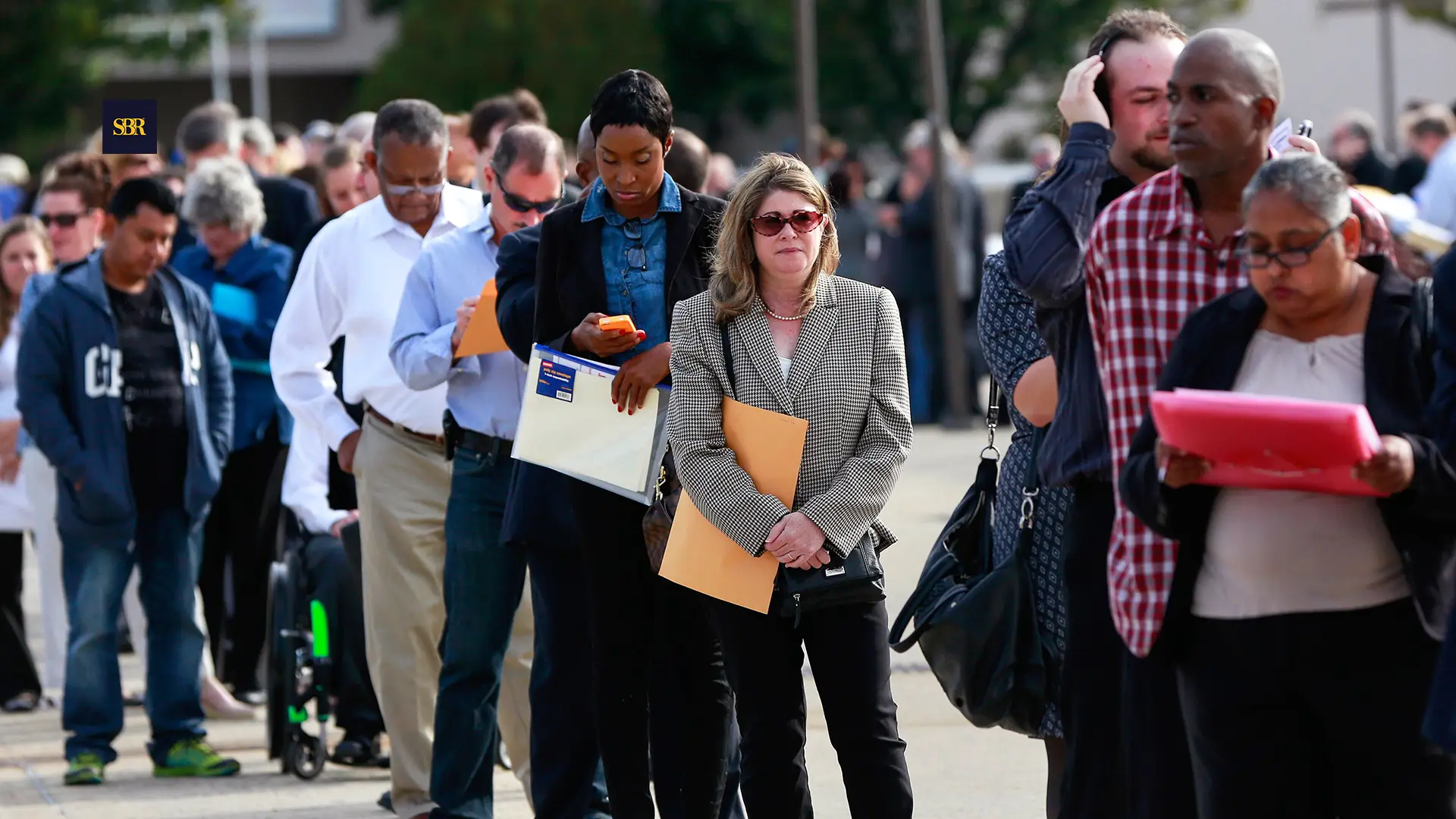
WASHINGTON, Feb. 18, 2026 — New applications for unemployment benefits in the United States fell more than economists had expected last week, suggesting that the labor market remains firm even as broader economic activity shows signs of moderation. The Labor Department reported Thursday that initial claims for state unemployment benefits dropped to 198,000 for the week ended Feb. 14, a decline greater than analysts had forecast. The fall reverses part of the increase recorded in the prior week and reflects a labor market where employers continue to hold onto workers.
Although hiring has slowed from the brisk pace seen earlier in the recovery, the low level of layoffs indicates that companies are cautious about cutting staff. Businesses have been navigating a period of higher borrowing costs and softer demand in some sectors, yet employers appear reluctant to reduce payrolls broadly. The figures provide insight into a labor market that remains an important support for household income and consumer spending even as other parts of the economy cool.
Claims Drop Surpasses Expectations
Initial jobless filings fell below consensus forecasts, highlighting that layoffs are not accelerating in a widespread manner. Economists view the four-week moving average as a more reliable indicator than the weekly data, and that measure also edged lower. The trend suggests that separations remain limited and that displaced workers are generally able to find new positions without prolonged unemployment.
Initial Claims Reflect Limited Layoffs: The decline in initial filings indicates that few companies are making significant cuts to staff. Low weekly claims suggest that businesses are holding onto workers, even in sectors facing softer demand. This pattern aligns with reports from employers in health care, leisure, and government, who have maintained payrolls despite economic uncertainty.
Benefit Recipients Return to Work Swiftly: Claims for ongoing benefits, which track individuals still receiving aid after their first week, moved only slightly. This suggests that workers who do lose jobs are generally able to secure new positions without long spells of unemployment. Together with the low level of initial filings, the modest change in ongoing claims indicates a labor market that is holding up well despite slower activity in certain industries.

Employers Maintain Staff
The restrained level of claims aligns with other signals that employers are keeping payrolls steady. Health care, government, and leisure and hospitality sectors continue to add staff, offsetting slower hiring in interest sensitive areas such as housing and manufacturing. Firms in technology and finance have made modest reductions, yet these changes have not translated into a broader increase in unemployment filings.
Wage growth has cooled from earlier peaks, yet earnings remain sufficient to support consumer spending. Households have maintained outlays on services, dining, and travel, helping to sustain overall economic activity. Many employers have held back on layoffs in part because of the difficulty they experienced filling positions in prior years, indicating that the labor market remains a stabilizing force.
Federal Reserve Monitors Labor Conditions
Federal Reserve policymakers have been watching employment data closely as they assess the path of monetary policy. Inflation has eased from its highest levels, but officials have stressed the need to see further moderation before adjusting interest rates. The absence of a sharp rise in jobless claims gives the central bank time to evaluate the economy without facing abrupt weakness in employment.
Financial markets reacted modestly to the report, reflecting expectations that any future rate changes will depend on a broader set of indicators. Investors are looking to upcoming employment reports and inflation readings for further direction. Until then, weekly claims remain one of the most-timely measures of how employers are responding to changing economic conditions.
Regional and Sector Patterns
The Labor Department’s report showed variation among states, with some registering declines in new filings while others posted slight increases. Those differences often reflect local industry trends rather than national weakness. Manufacturing firms continue to face slower global demand, while service-oriented sectors have absorbed workers through hiring in health care, government, and leisure industries.
Government employment has also added positions at the state and local level, particularly in education and public safety roles. This diversity in job gains has helped prevent layoffs in one sector from spilling over into the broader economy. Analysts caution that weekly claims can be volatile due to seasonal adjustments, weather disruptions, and administrative changes, yet the overall trajectory suggests that employment remains robust relative to other economic indicators.
Outlook for the Labor Market
The broader economic backdrop remains mixed. Gross domestic product growth has moderated from last year, and business investment has slowed. Tighter credit conditions and elevated borrowing costs have weighed on sectors such as housing and manufacturing. Nonetheless, consumer spending has held up, supported by job gains and wage income, helping the economy avoid a sharp downturn.
Economists note that as job openings decline from earlier peaks, the labor market may gradually move toward better balance. For now, the low level of weekly jobless claims and limited layoffs suggest that employers are retaining workers despite slower growth. The next comprehensive insight into labor conditions will come from the monthly employment report, which will provide a broader snapshot of payroll growth, the unemployment rate, and earnings. Until then, weekly filings remain a timely gauge of how employment is holding up in an economy that continues to adjust to higher rates and softer demand.
Taken together, the data indicate that while growth may be slowing, employment remains a stabilizing factor. Layoffs are limited, displaced workers are generally finding new positions quickly, and household income continues to support spending, leaving the labor market as one of the more resilient components of the U.S. economy.
Claims for ongoing benefits, which track individuals still receiving aid after their first week, moved only slightly. This suggests that workers who do lose jobs are generally able to secure new positions without long spells of unemployment.









.webp)