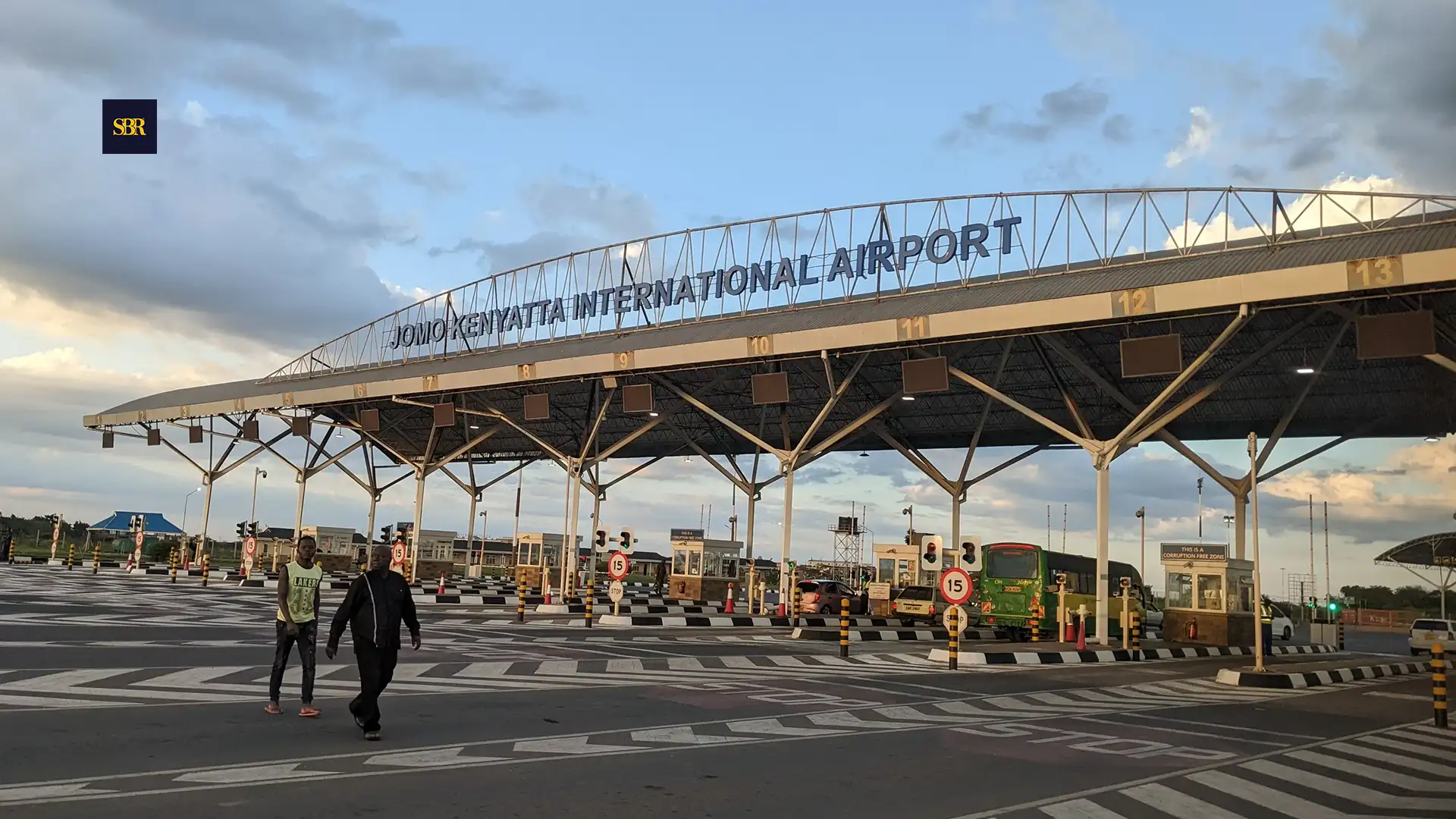
NAIROBI, Kenya, Feb. 16, 2026 — Jomo Kenyatta International Airport in Nairobi experienced significant flight delays on Monday after aviation workers launched a strike over unresolved labour issues. The walkout affected both departures and arrivals as air traffic control operations were disrupted, which in turn slowed aircraft movement across domestic and regional routes. Airlines including Kenya Airways and Tanzania’s Precision Air reported schedule interruptions, leaving passengers waiting longer in terminals already operating near peak capacity. The strike unfolded during a busy travel period, which compounded congestion and forced airlines to adjust operations in real time.
Union Defends Action
Legal Challenge Fails to Halt Walkout: The aviation workers’ union issued a seven-day strike notice last week, prompting the Kenya Civil Aviation Authority to seek a court injunction to block the action. Union secretary general Moss Ndiema confirmed that the strike proceeded as planned, stating that no court order had been served to suspend the walkout. By maintaining that position, the union reinforced its claim that the industrial action was lawful and procedurally sound. The authority did not immediately indicate whether it would pursue further legal steps as flights continued to face disruption.
Workers Cite Stalled Bargaining Agreement: The dispute stems from a collective bargaining agreement that union representatives say has remained unresolved for months. Workers argue that negotiations have stalled despite repeated engagement efforts, and they contend that key employment terms require formal settlement. The union said the strike reflects mounting frustration over delayed agreements and unmet commitments. By initiating the walkout, aviation employees sought to compel movement in negotiations that they believe have dragged on without substantive resolution.

Airlines Adjust Schedules
Airlines scrambled to revise flight schedules as delays spread across multiple routes. Kenya Airways reported bottlenecks in air traffic management that slowed departures and arrivals, while Precision Air said disruptions in control systems created ripple effects beyond Kenya’s borders. Passengers were advised to check flight status updates before heading to the airport, and some carriers arranged alternative connections where possible. Ground staff worked extended hours to rebook travelers and manage queues, though uncertainty persisted as the strike continued.
Authorities Urge Dialogue
Officials from the civil aviation authority called for renewed discussions between management and union representatives, warning that prolonged disruptions could weaken operational reliability at Kenya’s busiest airport. Jomo Kenyatta International Airport handles millions of passengers and substantial cargo volumes annually, which makes sustained interruptions costly for airlines and businesses alike. Industry observers noted that unresolved labour disputes can strain aviation systems, particularly at major transit hubs serving regional networks. Efforts to facilitate dialogue were described as urgent in order to restore normal flight operations.
Regional and Cargo Effects
The strike’s effects extended beyond passenger travel, as cargo operations also experienced delays. Time-sensitive shipments encountered hold-ups, which complicated logistics for exporters and importers dependent on Nairobi as a gateway. Regional flights to neighboring countries were rescheduled or delayed, adding strain to interconnected airline networks across East Africa. Analysts observed that labour unrest at key aviation hubs can disrupt broader economic activity, especially when air transport serves as a critical link for trade and business travel.
Passengers Face Uncertainty
Travelers at the airport encountered longer waiting times and frequent schedule adjustments. Some passengers described confusion over revised departure times, while others reported limited clarity on when operations might return to normal. Airlines continued issuing updates, yet the evolving situation left many unsure about onward connections. The disruption underscored the reliance of modern air travel on coordinated labour and management relations within essential infrastructure.
Labour Relations Under Scrutiny
The ongoing strike highlights persistent challenges in labour relations within Kenya’s aviation sector. Workers seek resolution of contractual matters that have lingered unresolved, while aviation authorities balance regulatory oversight with operational demands. Observers said that delays in concluding collective agreements can escalate into broader service interruptions, particularly in sectors where safety and timing are tightly linked. Authorities and union representatives remained engaged in discussions, though no immediate settlement was announced.
Outlook Remains Uncertain
As the strike entered its second day, flights continued to experience delays and passengers remained in limbo. Airlines monitored developments closely while evaluating schedule adjustments across their networks. The situation remains fluid, with both sides weighing legal and negotiation options as efforts to resolve the dispute proceed.
Jomo Kenyatta International Airport handles millions of passengers and substantial cargo volumes annually, which makes sustained interruptions costly for airlines and businesses alike.









.webp)