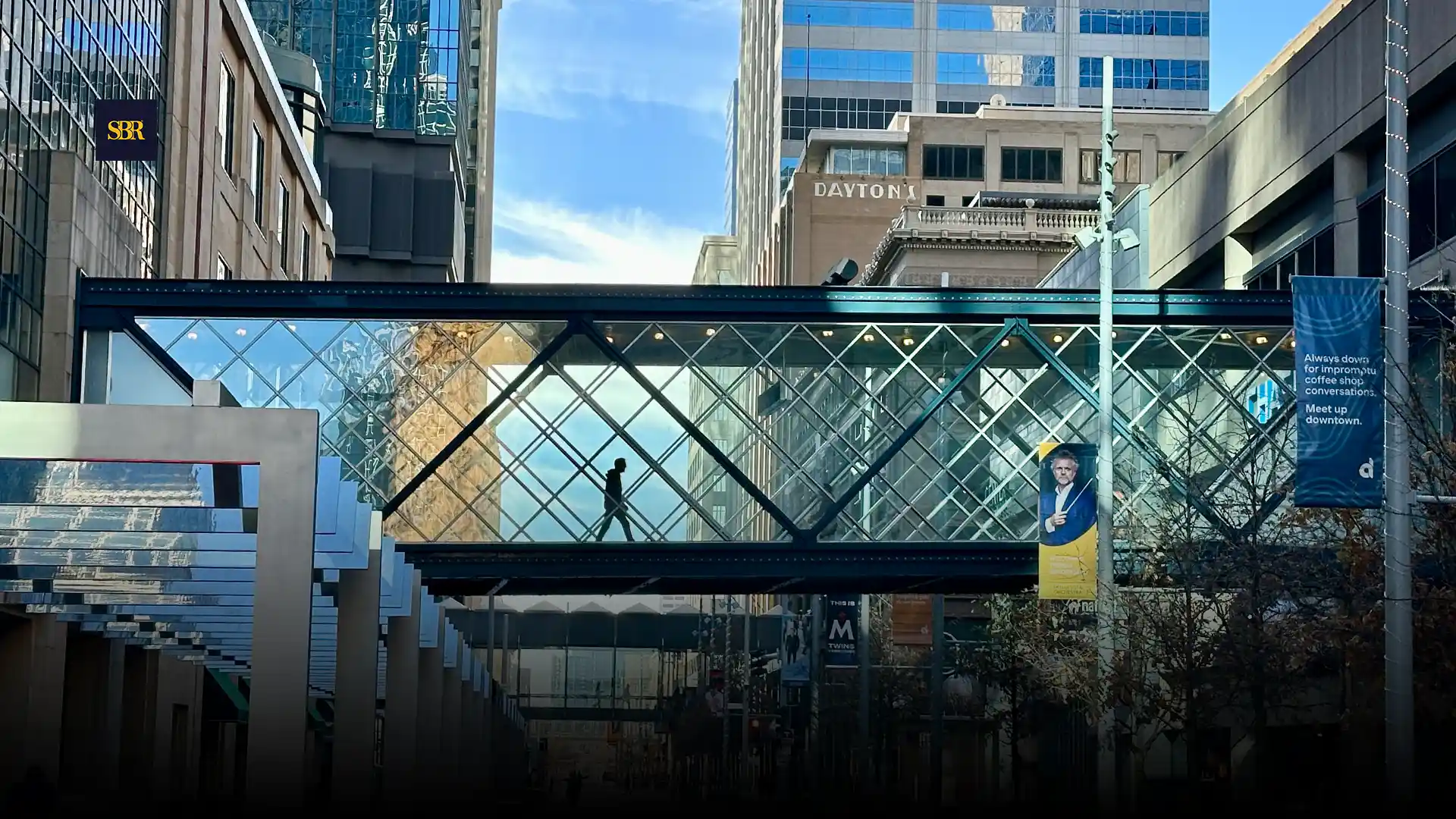
MINNEAPOLIS, Minn., Jan. 16, 2026 — Along Lake Street and nearby corridors in south Minneapolis, small business owners say daily trade has thinned as federal enforcement activity unsettles customers and workers who once formed the backbone of neighborhood commerce. Family-run restaurants, grocery stores and service firms describe abrupt drops in foot traffic, paired with staffing uncertainty, as fear reshapes ordinary routines across immigrant communities.
Storefront signs stating that federal agents are not welcome without authorization have appeared in several blocks, while owners trade alerts by phone when agents are spotted nearby. These measures are meant to protect workers and reassure patrons, yet owners say they have done little to reverse the slowdown. Customers who once stopped in several times a week now stay away, and lunch hours that once paid the bills often pass with empty tables.
Neighborhood Businesses Alter Daily Operations
Restaurant owners say they have shortened hours and reduced seating because fewer customers feel safe visiting. At some establishments, staff members stand near the entrance to limit how many people enter at once, hoping to avoid sudden confrontations that could frighten workers or diners. Others have closed entirely on certain days because employees are afraid to commute through areas where enforcement activity has been reported.
These changes have immediate financial consequences. Small enterprises often operate on thin margins, which leaves little room to absorb sudden losses in daily sales. Owners say rent, utilities and payroll do not pause when customers disappear, forcing them to make difficult decisions week by week.

Workers stay home as fear spreads
The disruption extends beyond storefronts. Owners of cleaning and maintenance firms say employees, many of them Latino and some with lawful status, hesitate to travel to job sites. One business owner said he has advised workers to stay home if they feel unsafe and has mapped alternative routes to avoid certain neighborhoods, yet even those steps cannot guarantee steady attendance.
As fewer workers show up and fewer clients call, business owners say they are caught between protecting people and keeping operations running. The resulting uncertainty has become part of everyday planning, shaping how far ahead owners can schedule jobs or place orders.
Corporate Silence Draws Scrutiny
Minnesota is home to several large corporations with national reach, yet none have issued public guidance about how enforcement activity affects employees or nearby communities. Seventeen Fortune 500 companies are based in the state, including major names in retail, health care and food production. Requests for comment from many of these firms went unanswered, according to Reuters.
That silence contrasts with 2020, when many of the same companies spoke publicly after the killing of George Floyd. Business leaders and academics say the absence of communication now leaves workers unsure of their rights and employers’ expectations. Bill George, a former executive based in Minneapolis, said many leaders are concerned privately but reluctant to speak publicly, adding that silence can deepen uncertainty during unsettled periods.
Broader Economic Effects
The slowdown affecting neighborhood shops is beginning to show wider consequences for the regional economy, which local groups estimate at about $350 billion. Business advocates warn that prolonged weakness among small firms can ripple outward, affecting service providers, landlords and larger employers that depend on healthy local trade.
Local Spending Contracts Across Neighborhoods: When customers stop visiting small shops, the loss does not remain isolated. Business leaders say reduced spending in one corridor quickly affects nearby businesses, from wholesalers to delivery services. Empty storefronts also discourage casual visits, further reducing activity in areas that once relied on dense foot traffic.
Leaders at the Minneapolis Regional Chamber of Commerce say the drop-in consumer activity is visible across sectors, not only among small retailers. They warn that prolonged weakness could make recovery difficult, especially for businesses that already endured pandemic disruptions.
Employment Risks Mount for Small Firms: As sales decline, owners say job cuts become harder to avoid. Some have reduced hours, while others have delayed hiring or let positions remain vacant. Small businesses account for a significant share of local employment, and advocates say sustained losses could reduce job options in neighborhoods that already face limited opportunities.
Federal officials have defended the enforcement actions as lawful. A recent Reuters poll showed many Americans want agents to limit harm during operations, even if that results in fewer arrests, yet that sentiment has not produced visible changes in business conditions on the ground.
Lawmakers and Advocates Seek Engagement
State and local officials are urging large employers to clarify policies related to government presence in workplaces and commercial spaces they control. One Democratic lawmaker whose district includes parts of Minneapolis and a nearby suburb has called on companies to require warrants before allowing agents into mixed-use areas, citing constitutional protections.
Community advocates argue that public reassurance from major employers could help restore some sense of normalcy. They say neighborhood businesses play a vital role in the cultural and economic life of south Minneapolis, and prolonged disruption could leave lasting scars.
For now, owners continue opening their doors each day, weighing safety concerns against financial reality. Many say survival depends on decisions made far beyond their storefronts, decisions that continue to shape how commerce functions across Minneapolis neighborhoods.
State and local officials are urging large employers to clarify policies related to government presence in workplaces and commercial spaces they control.



.webp)