WASHINGTON, Oct. 3, 2025 — After years of being written off as a fading sector, US manufacturing is proving that it still has the power to surprise. The industry now contributes nearly 2.9 trillion dollars to the national economy, accounting for around 10 percent of GDP. For every dollar spent in manufacturing, almost 2.70 dollars ripple through the wider economy. These are not the signs of a sector in retreat. They show an ecosystem that continues to anchor the country’s financial and industrial strength.
Much of the current momentum comes from advanced fields such as computer and electronic products, chemicals, and transportation equipment. Traditional images of heavy machinery and assembly lines no longer tell the full story. Today’s manufacturing landscape is digital, data-driven, and increasingly sustainable.
Who’s Keeping the Machines Running?
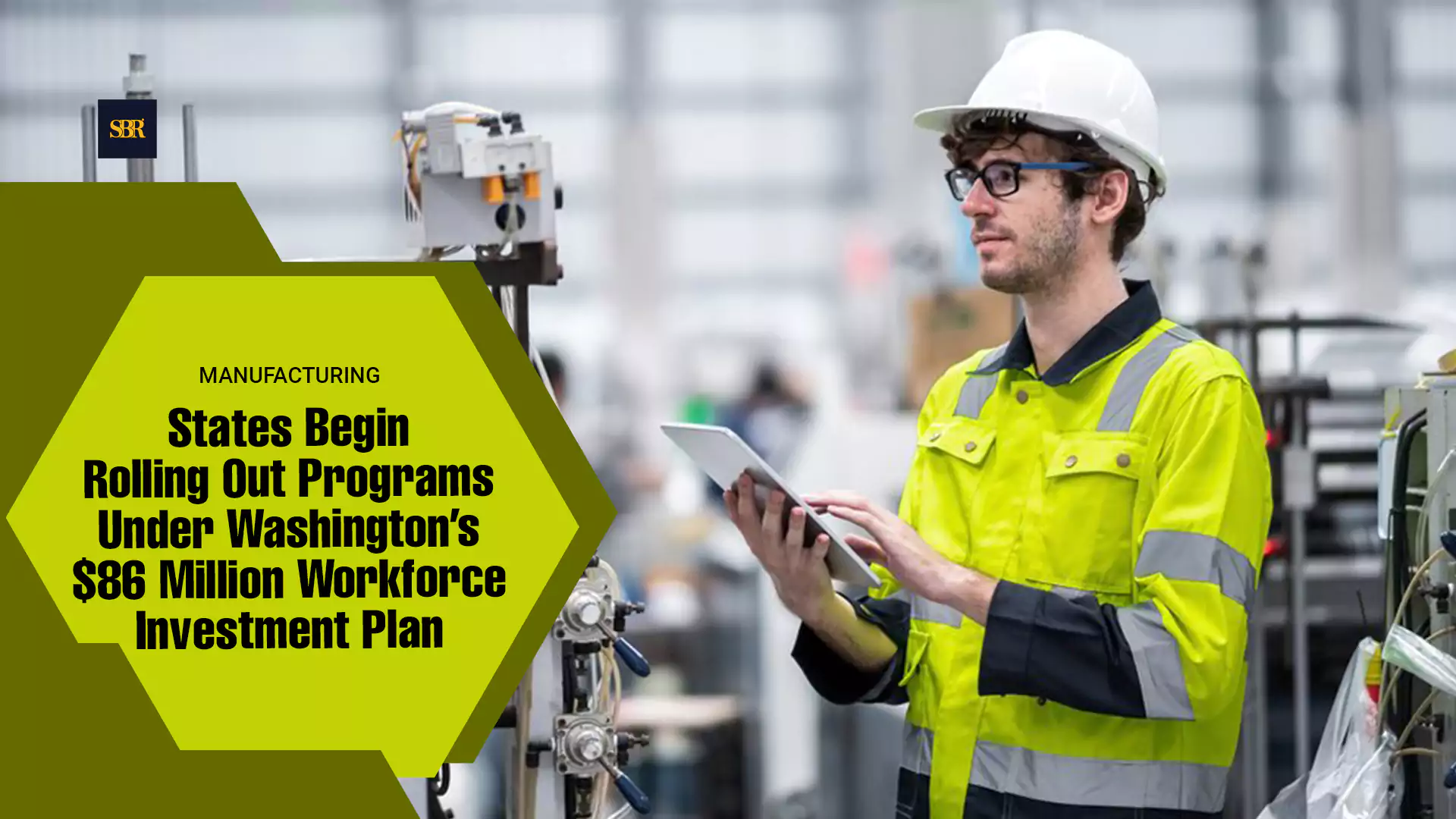
The workforce remains a vital part of this story. Around 13 million Americans are directly employed in manufacturing, earning an average of more than 102,000 dollars in pay and benefits each year. That puts manufacturing well above the national average in compensation and helps sustain local economies far beyond the factory gates.
Yet companies are finding it hard to hire. About 77 percent report difficulty filling skilled roles, and 65 percent say attracting and keeping talent is their biggest challenge. The gap is not only about numbers but about skills. As production lines become smarter, the need for engineers, technicians, and data-savvy workers grows. This shift is redefining what it means to work in manufacturing and what training the next generation will need.

Innovation in Motion
Smart Factories Reshape Production: Manufacturers are transforming their operations with the help of new technologies. Nearly 95 percent are now using or exploring Industry 4.0 systems that integrate robotics, automation, data analytics, and cloud computing. The results are real—some report cost reductions and quality improvements of up to 30 percent. Industrial robots alone saw a 12 percent rise in installations in 2023, reaching more than 44,000 units nationwide.
Sustainability Takes Center Stage: Another defining feature of the comeback is the sector’s green transition. More than 98 percent of manufacturers now have sustainability or ESG policies in place. Over the past two years, more than 125 new facilities tied to clean vehicles, batteries, and renewable technologies have been announced across the US. These investments signal that manufacturers are not just chasing efficiency but committing to responsible growth.
Can the Momentum Hold?
The optimism is real, but so are the headwinds. Labour shortages persist, and productivity growth, though steady at about 2.5 percent annually, has yet to match the pace of technological change. Compliance costs remain high, with the average manufacturer spending roughly 29,000 dollars per employee to meet federal regulations.
Supply chain fragility is another challenge. About 80 percent of companies experienced disruptions in 2023, reminding the industry that resilience must extend beyond automation. Global competition adds further pressure, demanding constant innovation and operational flexibility.
Even so, manufacturers are tackling these issues head-on. Many are reshoring production to reduce risk, investing in regional supply hubs, and building workforce pipelines through partnerships with schools and technical institutes. These efforts show determination rather than decline.
A New Industrial Identity
Manufacturing’s revival matters for reasons that go beyond economics. If the US manufacturing sector stood as its own nation, it would rank among the world’s top 10 economies. The sector’s multiplier effect creates millions of additional jobs across logistics, services, and innovation.
This resurgence is also reshaping America’s industrial identity. The modern factory is as much about code as it is about steel, as much about design thinking as it is about assembly. From smart materials to electric mobility, the sector is fusing old-world production with new-world possibility.
What makes this comeback compelling is not nostalgia but reinvention. Manufacturing is becoming a story of ingenuity, sustainability, and pride. The machinery may hum the same, but what it builds, and what it represents, is something entirely new.
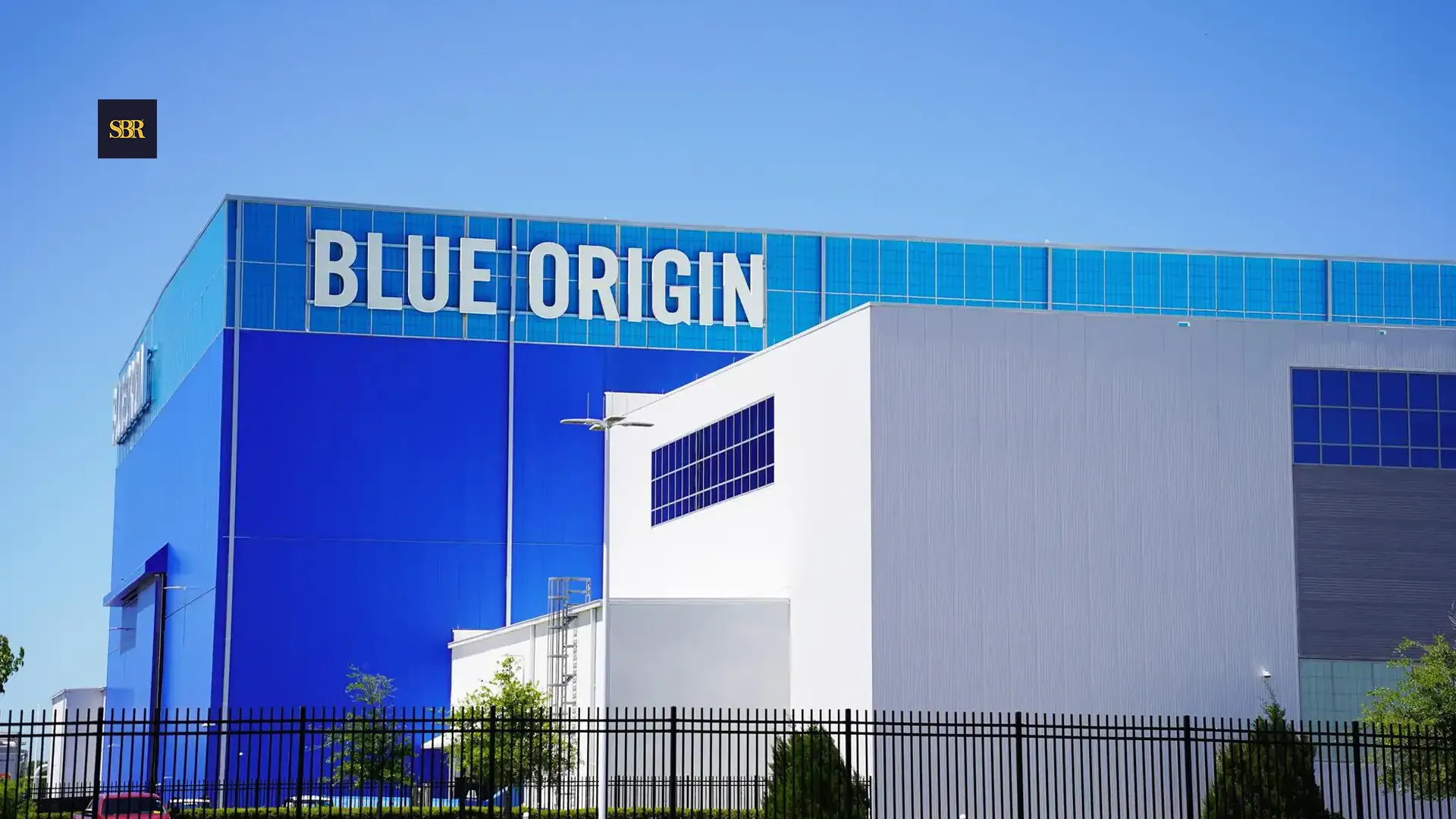
From new plants to advanced production lines, American manufacturing is building its next chapter with scale, speed, and intent.









.webp)