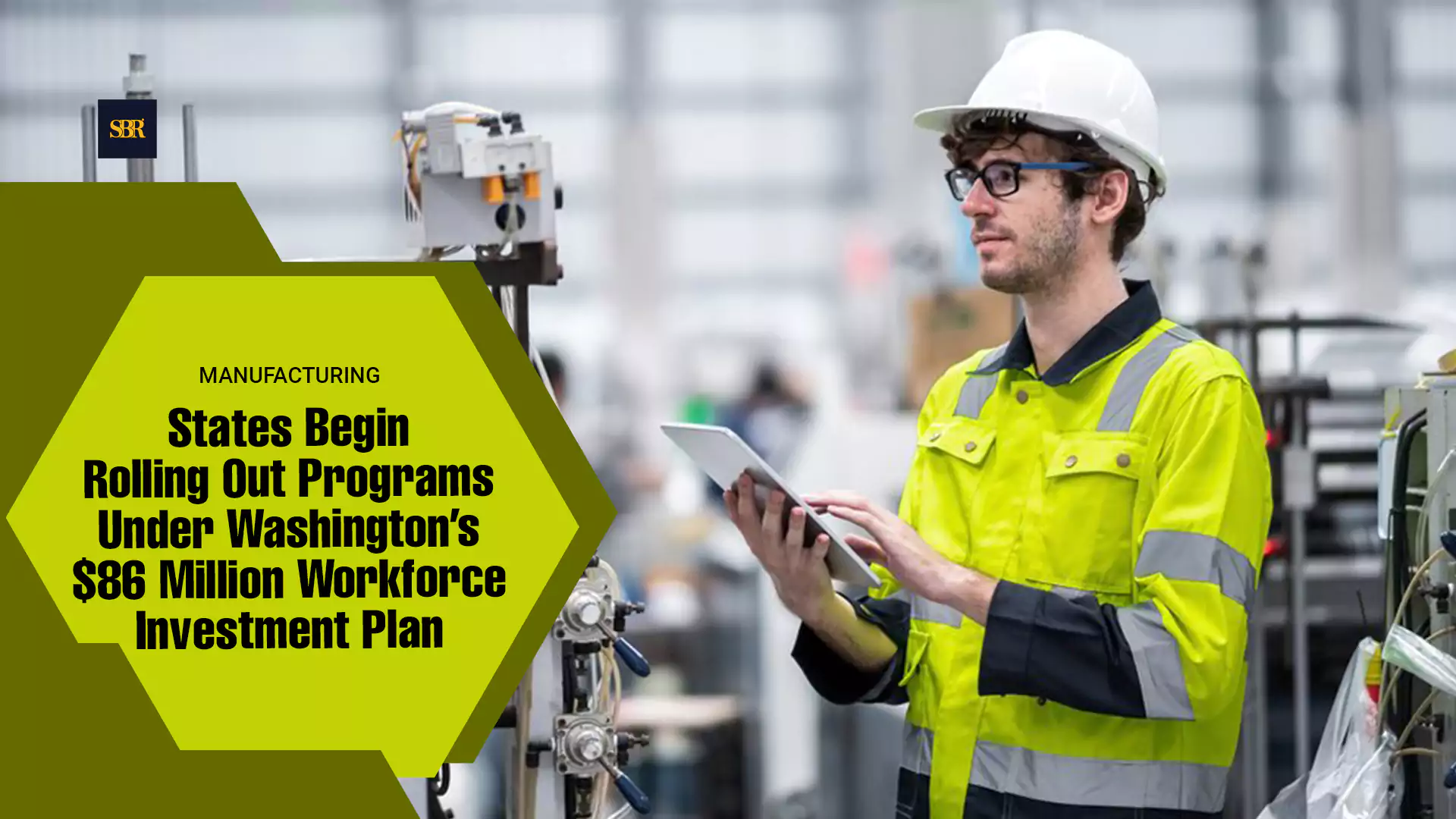
WASHINGTON, Nov. 3, 2025 — States across the country are putting Washington’s $86 million Workforce Investment Plan into action. The initiative funds new training and apprenticeship programs that aim to rebuild the nation’s skilled workforce. For many states, this marks a major step in connecting education, technology, and industry to support growth in manufacturing and clean energy.
The Department of Labor announced the grants at the end of September, awarding funds to 14 states. The money is focused on industries that face the greatest labor shortages, including advanced manufacturing, shipbuilding, and semiconductor production. Officials say these programs are designed to prepare workers for jobs that are in high demand and likely to expand in the coming years.
From Federal Funding to State Programs
Within weeks of the announcement, states have begun implementing their programs. Michigan, Ohio, and Pennsylvania are investing in advanced manufacturing and electric vehicle training. California and Washington are focusing on clean energy and semiconductor production. Alabama and Texas are building programs for industrial skills and logistics.
Many of these programs existed on paper before the federal grants arrived. The funding allows states to expand the programs, work directly with employers, and deliver hands-on technical training. The goal is to create learning opportunities that keep up with developments in robotics, automation, and renewable energy installation.

Closing the Skills Gap
The Workforce Investment Plan aims to fill thousands of unfilled technical jobs. In Wisconsin and Illinois, community colleges and trade schools are expanding short-term programs in welding, machining, and digital manufacturing. The programs serve both new workers entering the field and mid-career employees seeking to reskill as technology changes the workplace.
In Oregon and Minnesota, classroom instruction is paired with paid apprenticeships and industry-recognized credentials. Workers gain practical experience while employers can hire people ready for the job.
Reaching Workers Outside Industrial Centers
Many of the jobs funded by the plan are located in traditional industrial hubs, but states are taking steps to make training accessible to workers in rural areas and smaller towns. Mobile training labs are being deployed in places that lack technical schools or trade centers, bringing equipment, instructors, and hands-on workshops directly to local communities.
States are also partnering with nonprofits and community organizations to connect underserved populations to training programs. Women, veterans, and displaced workers are being offered pathways into industries such as advanced manufacturing, clean energy, and sustainable construction.
In addition to technical instruction, programs are providing practical support like transportation, childcare, and career guidance to remove barriers that often prevent participation. By bringing training closer to home and adapting it to local needs, states aim to expand the workforce and give people outside major cities the chance to step into growing industries.
Expanding Local Opportunities: States are also investing in local partnerships that connect students to employers and career pathways. Community colleges, vocational schools, and local businesses are coordinating to provide apprenticeships, mentorship programs, and paid internships. These programs ensure that workers are gaining skills that directly match industry needs while giving companies access to trained talent.
In some regions, funding is being used to upgrade equipment, modernize classrooms, and develop curricula that reflect the latest industry standards. The combination of hands-on training, local partnerships, and support services aims to create sustainable pipelines of skilled workers in communities that need them most.
Preparing Workers for Tomorrow: The $86 million plan represents a shift in how Washington approaches economic growth. The focus is not only on building factories and infrastructure but on preparing the people who operate them. Officials say the initiative is part of a long-term strategy to build networks for training and regional partnerships that can adjust as industries evolve.
The plan works alongside other federal policies designed to boost manufacturing and infrastructure while maintaining a skilled domestic workforce. By tying funding to practical training and local partnerships, states are positioned to respond quickly to changes in industry demand.
Momentum on the Ground
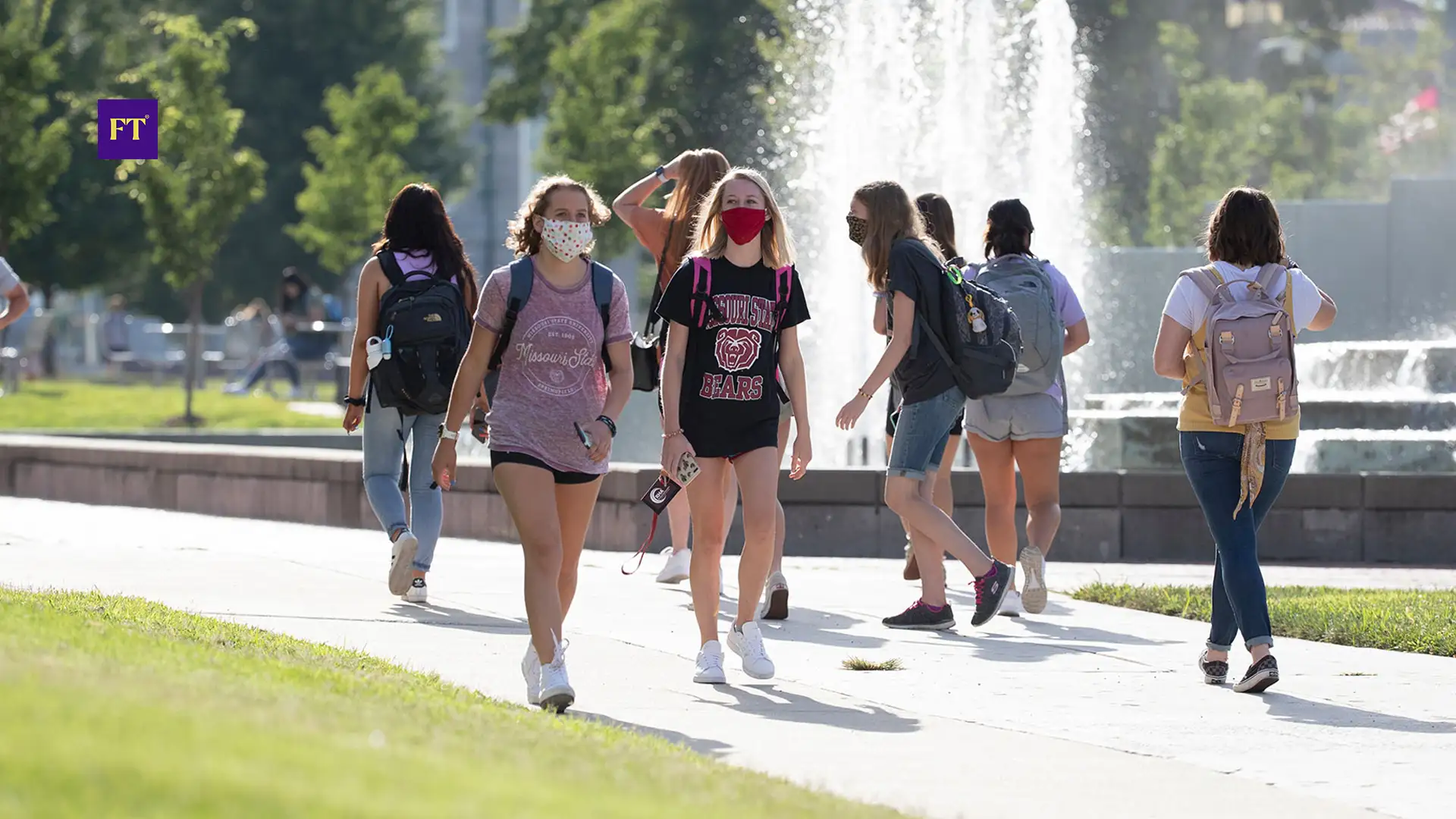
Enrollment at technical centers is rising, employers are offering more apprenticeship opportunities, and community colleges are reporting growing interest in trade certifications. Students are stepping into classrooms and labs, learning skills that industries need today while preparing for the jobs of tomorrow.
If the programs continue to expand, they could become a model for how federal and state partnerships develop a workforce ready to meet the demands of a changing economy. Across towns and cities, new programs are shaping opportunities that could define the next generation of American industry.
Workers are stepping into jobs that are growing faster than training has kept up, and states are creating the programs to meet that demand.