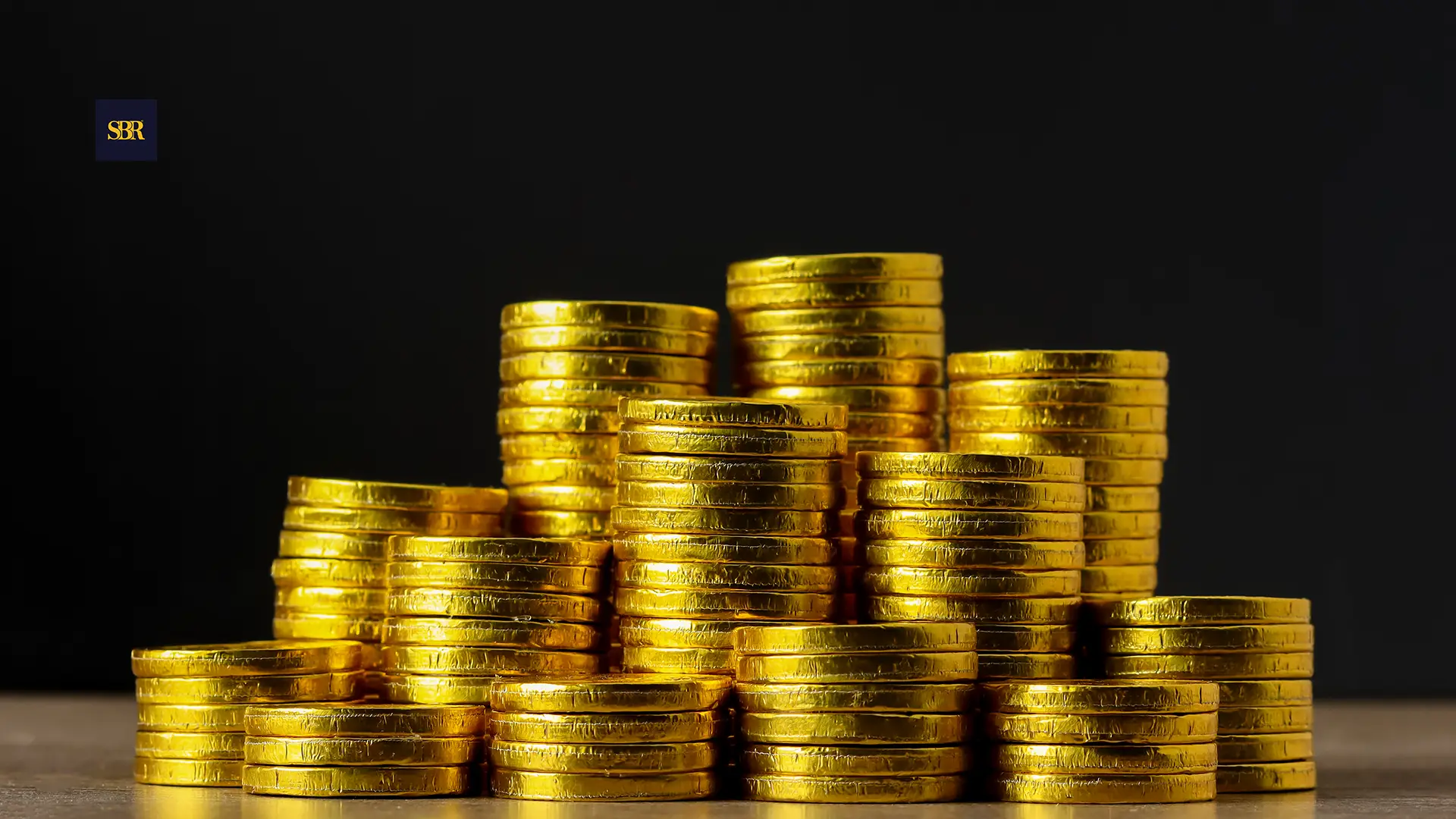
NEW YORK, Jan. 14, 2026 — Gold prices hovered near record territory in early 2026 as investors reacted to fresh U.S. inflation data and shifting expectations around monetary policy. Spot gold climbed above $4,600 an ounce during the session before easing slightly, while silver crossed the $90 threshold for the first time this year. The moves marked a continuation of strong momentum that began late last year, driven by a mix of economic data, currency movements and geopolitical concerns.
Trading volumes increased across major exchanges as market participants adjusted portfolios in response to softer inflation signals from the United States. Gold futures moved in step with spot prices, and silver futures registered sharp gains as well. Platinum and palladium also traded higher, reflecting broader interest across the metals space. Investors appeared willing to accept higher price levels as they weighed slowing inflation against persistent global uncertainty.
U.S. Inflation and Rate Cut Expectations
Recent economic data from the United States played a central role in shaping market sentiment. Consumer price figures for December showed milder increases than economists had anticipated, reinforcing the view that inflationary forces are easing. That perception altered expectations for Federal Reserve policy and redirected attention toward assets that tend to benefit when borrowing costs decline.
Lower inflation readings contributed to a softer U.S. dollar, which often supports dollar priced commodities. As the currency weakened, gold became more attractive to overseas buyers, adding to upward momentum. Traders also focused on the implications for real yields, which influence demand for non-interest-bearing assets such as bullion.
Cooling Price Data Shifts Sentiment: The core consumer price index rose modestly on both a monthly and annual basis, underscoring a slowdown from earlier periods. Analysts interpreted the data as a sign that restrictive monetary policy has begun to curb inflationary momentum. Market pricing now reflects expectations of at least two rate cuts by the Federal Reserve later in 2026, with the first move potentially coming by midyear.
These expectations reshaped trading strategies across asset classes. Bond yields eased, equities showed mixed performance, and precious metals benefited from renewed interest as stores of value. For many investors, gold offered a hedge against policy uncertainty as well as protection from currency volatility.
Policy Timing Remains Under Debate: Despite broad agreement that rates may move lower, uncertainty remains around the pace and timing of any policy shift. Federal Reserve officials have emphasized data dependence, and upcoming reports on employment and producer prices could influence future decisions. That uncertainty continues to inject volatility into markets, even as traders lean toward a more accommodative outlook.
Several major banks published forecasts suggesting gold could approach or exceed $5,000 an ounce later in the year if current conditions persist. Silver projections also pointed higher, reflecting strong investment interest alongside industrial demand. Not all analysts share that view, and some warn that shifts in data or policy rhetoric could alter the trajectory.

Geopolitical and Political Influences
Beyond economic data, geopolitical developments added another layer of support for precious metals. Ongoing tensions in the Middle East and concerns over broader regional stability reinforced demand for safe assets. News of escalating conflicts and diplomatic strain prompted investors to reassess risk exposure, often turning to gold during periods of uncertainty.
Political dynamics in the United States also drew attention. Public debate surrounding the independence of the Federal Reserve and commentary from political leaders placed monetary policy under scrutiny. While global central bank officials voiced support for institutional independence, markets remained sensitive to any suggestion of interference or policy shifts.
These factors combined to keep gold and silver well supported, as traders balanced domestic economic signals against international developments. The result was a market environment where sentiment could shift quickly in response to headlines.
Movements Across Commodities
Other metals reflected similar trends. Platinum advanced to levels not seen in recent weeks, supported by both investment flows and expectations tied to industrial usage. Palladium recorded more modest gains, though trading remained active as participants evaluated supply conditions and demand prospects.
In India, domestic futures tracked international prices closely. Gold and silver contracts on the Multi Commodity Exchange touched new record levels, mirroring global benchmarks. Local traders cited overseas cues, currency movement and festival related buying interest as factors shaping participation.
Energy and base metals markets showed mixed behavior during the same period, highlighting the distinct drivers influencing precious metals. While industrial commodities responded to growth expectations, gold and silver continued to draw support from macroeconomic and geopolitical themes.
Investor Outlook and Risks
As 2026 progresses, investors are closely monitoring a broad set of indicators. Inflation data, central bank communication and geopolitical developments remain key reference points for precious metals markets. Expectations of lower U.S. rates have encouraged allocations to bullion, though uncertainty around policy execution persists.
Volatility is likely to remain elevated as each new data release reshapes expectations. Traders are balancing optimism around easing inflation with caution over potential shifts in policy tone or global risk. For now, gold and silver prices reflect a market that remains highly responsive to economic signals and international events, with momentum sustained by a combination of monetary and geopolitical forces.
As the currency weakened, gold became more attractive to overseas buyers, adding to upward momentum. Traders also focused on the implications for real yields, which influence demand for non-interest-bearing assets such as bullion.












.webp)