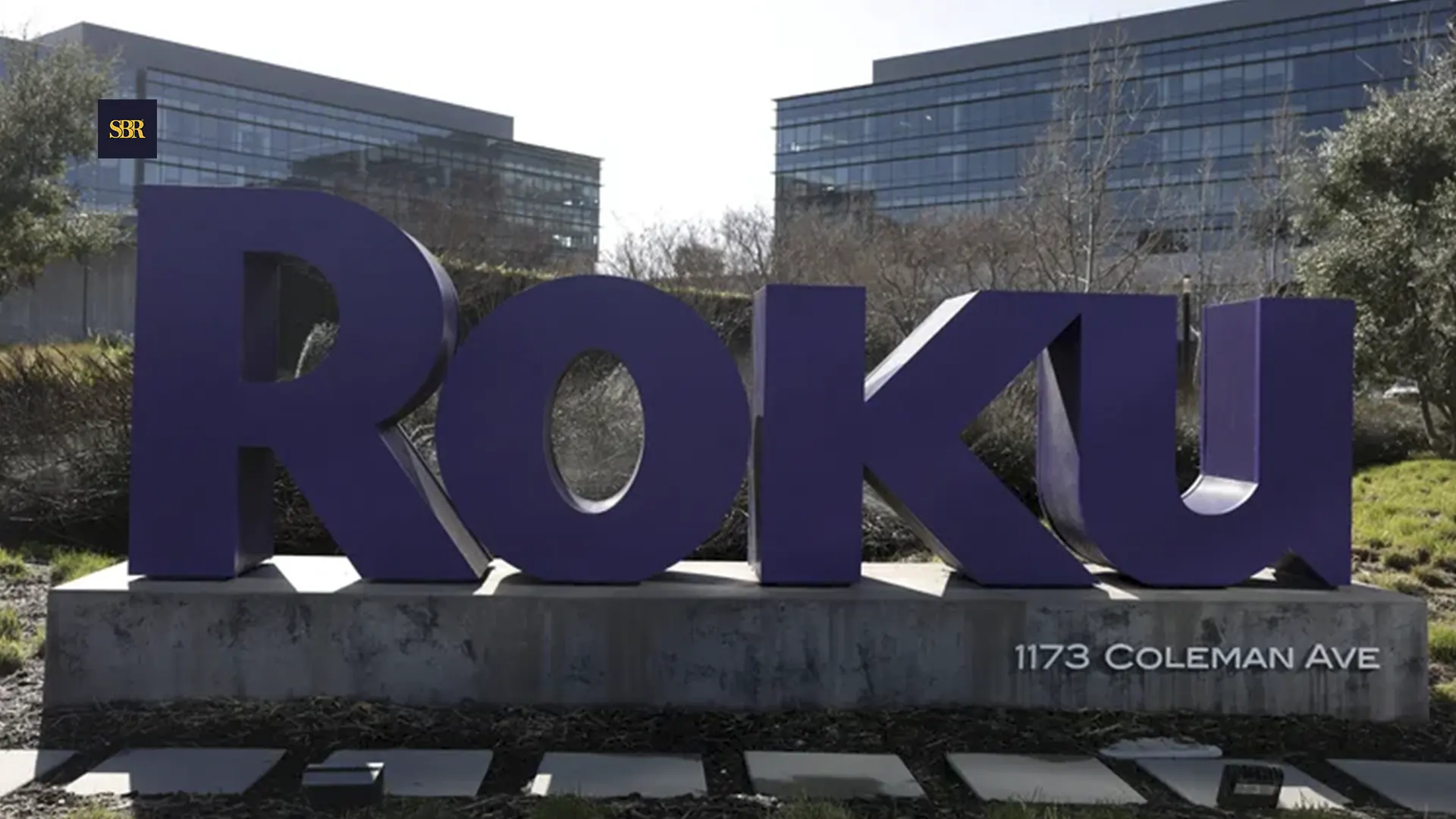
NEW YORK, June 15, 2026 — Fox Corporation has agreed to acquire Roku in a transaction valued at about $22 billion. The agreement brings together a media company with a large connected television platform used for streaming distribution across smart TVs and streaming devices.
Roku operates as a widely used operating system for television devices. It provides access to streaming applications, advertising inventory, and content discovery tools through a single interface. Fox gains access to television distribution systems that sit between content creation and viewer selection.
The agreement reflects a growing focus among media owners on ownership of distribution systems that control access to streaming audiences. Roku plays a major role in this layer through device software and advertising tools used across millions of households.
Deal Structure and Valuation Details
The transaction is structured as a combination of cash and Fox stock. Roku shareholders receive both components, with final allocation subject to adjustment before closing.
The valuation reflects Roku’s position in connected television distribution and advertising operations. Revenue flows come from platform advertising, licensing arrangements with device makers, and content distribution agreements with streaming services.
Regulatory approval remains required before completion. Shareholder votes from both companies are also necessary. Reviews are expected across the United States regulatory bodies, along with oversight in other regions where Roku devices operate.
The structure allows Fox to preserve liquidity while issuing equity tied to the long-term performance of the combined business. Roku shareholders gain exposure to Fox’s broadcast and streaming operations alongside existing platform revenues.
Strategic Logic Behind the Acquisition
Direct Control Over Television Distribution Systems: Fox gains ownership of a platform that controls access to streaming applications on smart televisions. Roku’s home screen serves as the primary entry point for users selecting content across multiple services.
This position gives Fox direct access to distribution systems that influence how audiences discover programming. Fox streaming services, such as Tubi and Fox Nation, can be placed within Roku interfaces without reliance on external distributors.
Control over distribution reduces dependence on third-party platforms that currently mediate access between media companies and viewers. This allows closer coordination between programming schedules and content visibility across devices.
Roku also operates an application marketplace where streaming services are listed and ranked. Ownership provides Fox with operational control over placement systems that influence viewer selection patterns.
Expansion Into Connected Advertising and Audience Data Systems: Roku operates a large advertising system built around connected television usage. Advertisements appear on home screens, in streaming apps, and in sponsored placements within the interface.
Fox gains access to a programmatic advertising infrastructure that uses viewing data to serve targeted advertising. This includes information on app usage, viewing duration, and device-level engagement patterns.
Advertising inventory spans both live and on-demand content. Fox programming, such as sports broadcasts and news segments, attracts concentrated viewer attention during scheduled events, which supports premium advertising demand.
Roku’s data systems allow measurement of viewer activity across applications. This supports detailed reporting for advertisers evaluating campaign performance across different formats and devices.
Integration of Fox broadcast audiences with Roku platform data allows the creation of advertising packages that include television, streaming, and device-level placements within a unified structure.
Regulatory Review and Competition Concerns
Regulatory bodies are expected to review the transaction due to ownership of both content production and distribution infrastructure under a single company.
Roku hosts multiple streaming services from different providers. This structure depends on neutrality in app placement and access rules. Ownership by Fox raises questions about the treatment of competing streaming services within Roku systems.
App ranking, home screen visibility, and recommendation systems may be examined to determine whether equal access remains for third-party services. Regulators may also review whether Fox content receives preferential distribution treatment.
Data handling practices will face scrutiny as well. Roku collects detailed viewing information across devices while Fox holds audience data from broadcast and digital properties. Combined use of these datasets may require regulatory review under privacy and competition rules.
Approval timelines depend on findings from these assessments. Conditions may include restrictions on data sharing or requirements for continued access for external streaming services.
Streaming Advertising and Revenue Structure
Connected television advertising represents a major revenue category for both companies. Roku operates a platform that sells advertising placements across device interfaces and streaming applications.
Fox gains access to programmatic advertising systems that match advertisers with viewers based on usage patterns. These systems allow targeting across home screen placements, app environments, and streaming content.
Live television programming remains a strong driver of advertising demand. Sports events, news coverage, and scheduled broadcasts attract large audiences at specific times, which supports higher advertising pricing.
Roku provides measurement tools that track engagement across streaming services. These tools offer advertisers detailed feedback on viewing behavior and campaign performance compared with traditional television ratings systems.
Combined advertising inventory spans broadcast television, streaming platforms, and device-level placements. This structure allows advertisers to purchase exposure across multiple viewing formats within a single arrangement.
Integration Plans and Operational Outlook
Post-acquisition work will focus on aligning Roku platform operations with Fox content and advertising systems. This includes coordination between app distribution systems, advertising inventory management, and data infrastructure.
Fox is expected to maintain Roku’s device operations while integrating Fox streaming services into platform interfaces. Tubi may receive stronger placement within Roku’s home screen and recommendation systems.
Roku currently supports a wide range of streaming providers. Maintaining access for third-party services will require operational coordination to avoid disruption in app availability or ranking systems.
Advertising operations are expected to move toward combined sales structures. These structures may package broadcast television inventory with streaming and device-level advertising placements.
This arrangement allows advertisers to purchase exposure across multiple viewing environments through a single transaction structure. It also requires alignment between sales operations that previously functioned separately.
The transaction marks a significant consolidation between content creation and distribution infrastructure within connected television systems. Ownership of both programming and access systems places Fox in control of multiple stages of television delivery, from production through viewer interface selection.
Roku hosts multiple streaming services from different providers. This structure depends on neutrality in app placement and access rules. Ownership by Fox raises questions about the treatment of competing streaming services within Roku systems.










.webp)