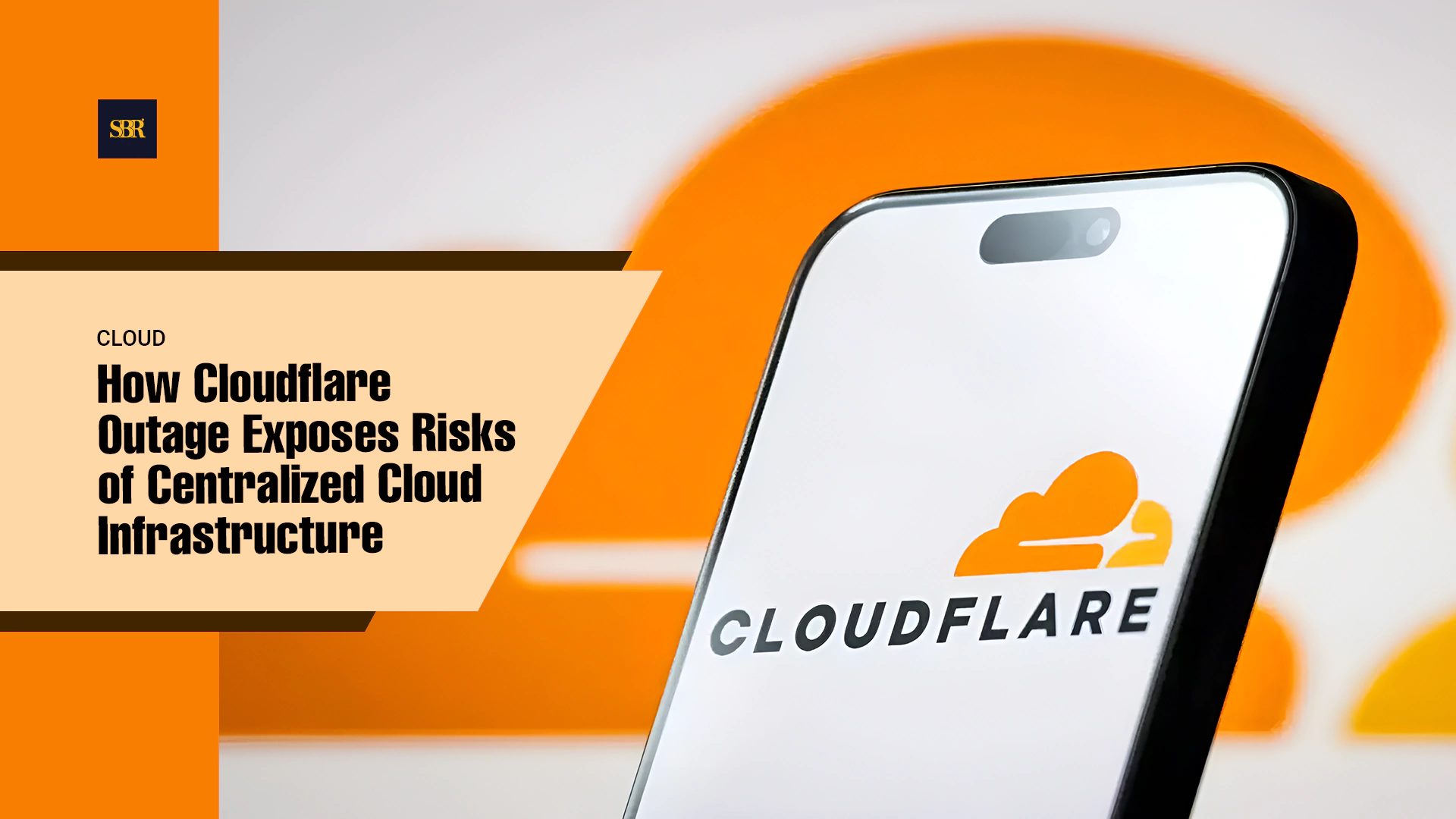
SAN FRANCISCO, Calif., Dec. 8, 2025 — The Cloudflare outage on December 5 caused more than a brief interruption. It disrupted a significant portion of global web traffic, affecting nearly 28 percent of all HTTP requests that passed through the company during that period. What initially seemed like a small technical issue highlighted deeper concerns about how much of the modern internet depends on a handful of cloud providers. The episode serves as a reminder that even short disturbances can reveal long term structural risks built into the digital systems businesses rely on every day.
What Happened
Cloudflare deployed changes to its Web Application Firewall at 08.47 UTC on December 5. The update expanded the buffer size used for parsing HTTP request bodies from 128 KB to 1 MB. This adjustment was intended to address a vulnerability recently disclosed in React Server Components.
As the update spread across Cloudflare’s global network, an older proxy engine known as the FL1 proxy ran into a latent bug. The bug produced a Lua runtime error in the rules module. As a result, services relying on the affected proxy path returned HTTP 500 errors. Websites using Cloudflare saw failures in page loads, APIs and authentication flows.
Engineers reversed the configuration at 09.12 UTC and traffic returned to normal. Cloudflare confirmed that the problem was not related to a cyberattack or outside interference. The issue originated within the internal configuration rollout process.

What It Exposed
The outage exposed how interconnected and dependent the digital world has become. Cloudflare handles a large share of global traffic, which means a single error in configuration or deployment can create ripple effects across thousands of businesses and millions of users. A routine update intended to strengthen security instead triggered moments of widespread disruption.
This event highlighted the risk created by centralization in cloud and edge infrastructure. Centralization offers efficiency and convenience under normal circumstances. During a failure, it creates a single point that influences a vast portion of the internet. When one service falters, countless others feel the impact.
What Businesses and Users Should Learn
Redundancy: Every business benefits from a plan that avoids complete dependence on one provider. Secondary CDNs, alternative DNS setups and backup routing paths can help maintain operations when a major provider encounters trouble. Redundant systems create breathing room during unexpected events.
Plan for the Unexpected: Even short outages can cause missed transactions, failed logins and operational delays. Companies should view cloud outages as inevitable and prepare response plans. These plans can include monitoring workflows, backup triggers, incident communication and temporary failover routes.
Demand Transparency and Resilience: Businesses should expect strong transparency from providers that support core internet functions. This includes detailed status updates, clear communication during incidents and accessible explanations afterward. Providers must also invest in safeguards such as phased rollouts and rigorous internal testing. Improved guardrails reduce the extent of damage when something goes wrong.
Why This Matters Beyond One Outage
This incident followed an earlier availability issue that Cloudflare experienced only weeks before. The pattern suggests that these events cannot simply be dismissed as isolated glitches. Instead, they point to structural pressure within cloud infrastructure as systems grow in scale, complexity and interdependence.
More of the online world now depends on a small cluster of companies. Financial systems, media platforms, e-commerce services, educational tools and communication apps all rely on infrastructure concentrated in a few networks. When a provider as large as Cloudflare suffers even a brief problem, the consequences travel far beyond the walls of that company.
The internet has been shaped by a focus on convenience and speed. These values have created efficient platforms but have also encouraged deeper dependency on centralized systems. As businesses continue to expand online operations, resilience must become a priority. A resilient internet depends on thoughtful design, distributed responsibility and careful risk planning.
The December 5 outage lasted only a short time. The lessons from it will last much longer.
Engineers reversed the configuration at 09.12 UTC and traffic returned to normal. Cloudflare confirmed that the problem was not related to a cyberattack or outside interference. The issue originated within the internal configuration rollout process.