FRANKFURT, Feb. 20 2026 — Business activity in the euro zone picked up in February as manufacturing expanded for the first time since October, while services grew more gradually, according to a survey released Friday. The S&P Global Flash Eurozone Composite PMI rose to 51.9 from 51.3 in January, beating expectations of 51.5. Readings above 50 signal growth, while those below indicate contraction. The improvement reflected a pick-up in factory output alongside continued, though more moderate, expansion in the service sector, suggesting that the overall economy is stabilizing after a period of slower growth.
Manufacturing Surges After Months of Weakness
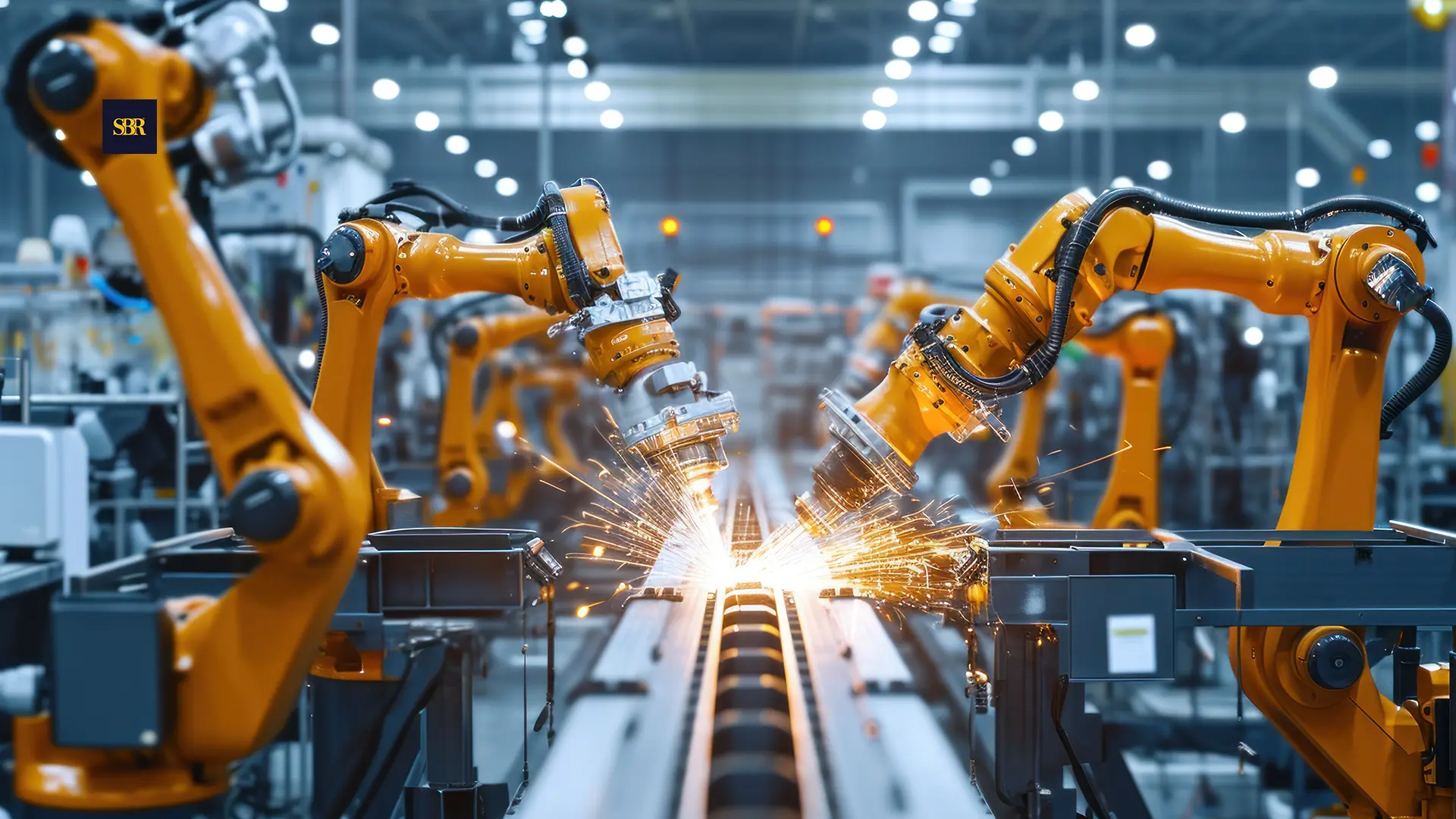
Manufacturing led the rebound with the PMI climbing to 50.8 from 49.5 and the output index reaching a six-month high of 52.1 from 50.5. Factory new orders also improved, rising to 50.9 from 49.2, reflecting renewed demand. The gains mark the first expansion in industrial activity since late last year and suggest that production pressures are easing.
Production and Orders Pick Up: Factories reported that higher output helped reduce backlogs and stabilize operations. Manufacturers noted stronger demand in key sectors such as machinery and chemicals, which contributed to the improvement in production. While overall orders remain below pre-pandemic levels, the uptick indicates that industrial activity is slowly regaining momentum, giving firms more confidence to maintain current output levels.
Export Demand Stabilizes: Export orders, which had fallen for much of the past year, showed signs of levelling off, providing some relief to companies reliant on overseas markets. Firms reported that shipments to Asia and the United States were slowly improving, though volumes remain sensitive to global economic conditions. This stabilization supports the view that manufacturing may continue its modest recovery if trade conditions hold.

Services Maintain Modest Growth
The services sector remained the main contributor to overall activity, even though growth slowed slightly. The services PMI increased to 51.8 from 51.6, below forecasts of 51.9, indicating continued but moderate expansion. Service providers reported slight gains in output and new business, particularly in consumer-facing industries, although customers remain cautious in spending decisions.
Price pressures nudged higher, with firms increasing charges at a measured pace. Companies noted that they could pass on some costs to clients, but pricing power was limited and did not substantially change the outlook for interest rates.
Germany Leads, France Lags
Germany, the euro zone’s largest economy, showed the strongest improvement, with business activity hitting a four-month high. Manufacturing growth and increased orders contributed to the region’s stronger performance. In contrast, France experienced little growth as weak demand kept manufacturing and services subdued. This divergence highlights uneven economic momentum within the currency union.
Other member countries saw moderate gains, mostly supported by domestic consumption and easing cost strains. Overall, the euro zone is expanding at a moderate pace, avoiding contraction while not yet entering a robust growth phase.
Implications for Monetary Policy
The survey results arrive as the European Central Bank evaluates policy decisions for the year. Inflation has cooled from previous peaks, but price growth remains above target in some categories. The improvement in business activity may influence the ECB’s deliberations, as stronger economic data could argue against immediate rate cuts. At the same time, uneven growth suggests a cautious approach remains appropriate.
Employment data within the survey showed marginal job creation in services while manufacturing hiring stayed restrained. Firms appear careful about increasing payrolls despite rising output, indicating measured confidence in ongoing economic conditions.
Overall, February’s flash PMI suggests that the euro zone economy is stabilizing. Manufacturing’s return to growth offers a positive signal, while services continue to expand at a modest rate. The coming months will test whether these gains can be sustained across countries and sectors as domestic demand and global trade evolve.
Manufacturing led the rebound with the PMI climbing to 50.8 from 49.5 and the output index reaching a six-month high of 52.1 from 50.5.








.webp)