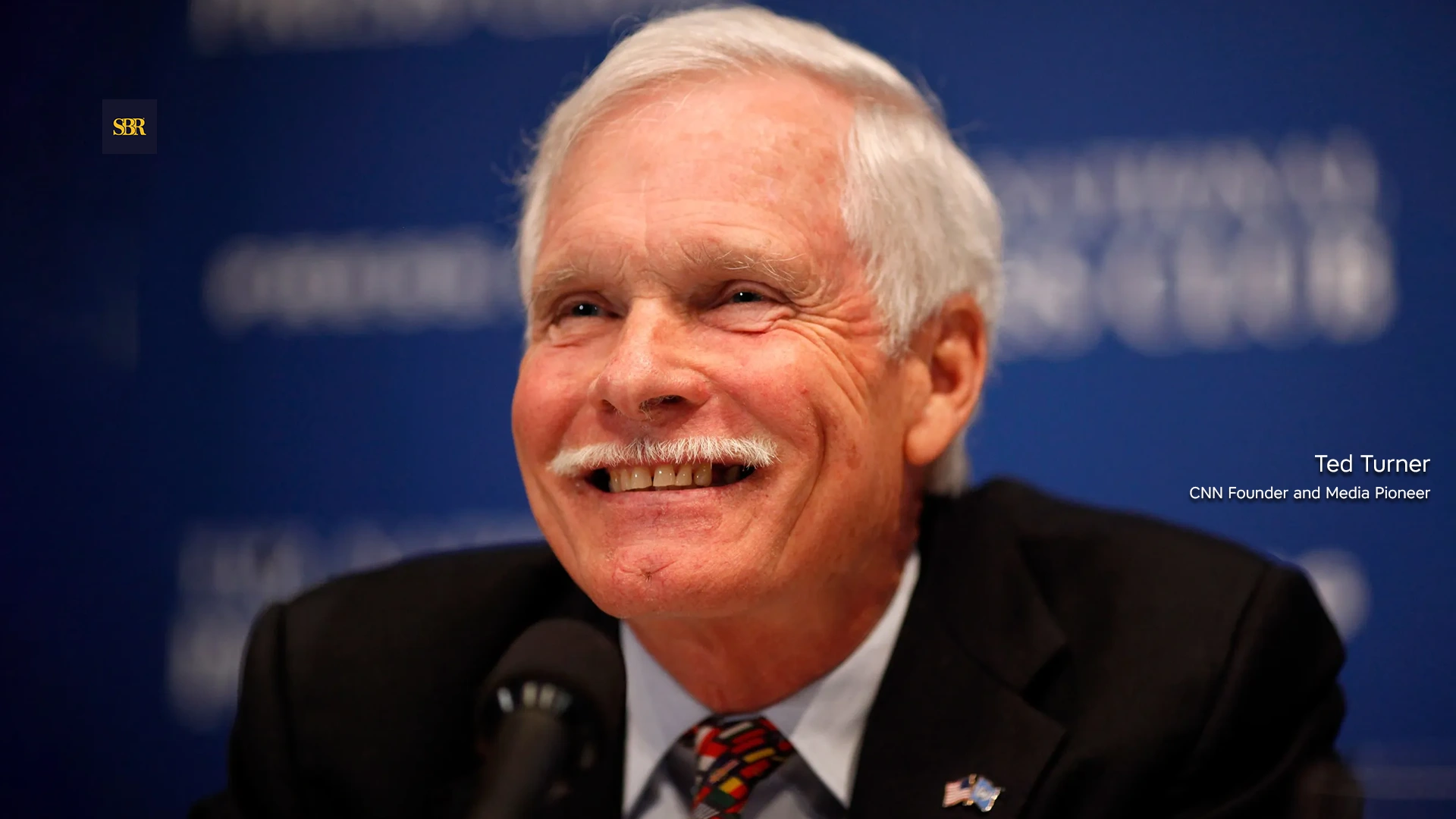
ATLANTA, May 6, 2026 — Ted Turner, the founder of CNN, has died at the age of 87. CNN confirmed his death on Wednesday.
Ted launched CNN in 1980 as the first television network dedicated to 24-hour news coverage. At the time, the idea of a channel that broadcast news all day and night was widely doubted within the television industry. The network began with limited resources compared to established broadcasters. Despite that, it continued operations and expanded coverage.
CNN changed how news was delivered. It replaced fixed bulletin schedules with ongoing reporting. Viewers could follow developing stories as they happened rather than waiting for scheduled updates. The network became known for its live coverage of major global events. These included conflicts, political developments, and international crises.
CNN later expanded into multiple international feeds and regional services, extending its reach to audiences across different continents.
Before CNN, Ted built his business base through a family billboard company. After his father’s death, he took control of the business and expanded it. He later entered television by acquiring a struggling UHF station in Atlanta. That station became the foundation for his move into broadcasting and later cable distribution.
Expansion into Cable Television
After CNN launched, Ted Turner expanded his media business through Turner Broadcasting System, or TBS, the company he owned and led. Through it, he developed a group of cable networks. These included TBS, Turner Network Television, or TNT, Cartoon Network, and Turner Classic Movies. Each channel served a different audience and content focus, ranging from general entertainment and films to animation and classic cinema.
These networks reached households through the growing cable television system in the United States. They also expanded into international markets over time. Ted also used satellite distribution to extend the reach of his channels. This allowed his networks to reach audiences beyond traditional broadcast limits.
Turner Broadcasting became one of the most influential cable operators during the 1980s and 1990s.
In 1996, Turner Broadcasting merged with Time Warner in a major media deal. CNN and the Turner channels became part of a larger corporate structure. After the merger, Ted remained involved for a period but later stepped back as corporate changes reduced his direct role.

Philanthropy and Public Work
Ted became widely known for his philanthropic commitments. He pledged one billion dollars to United Nations causes, one of the largest individual donations at the time. He later created the United Nations Foundation to support programmes related to global health, development, and humanitarian work. His philanthropic work extended to environmental conservation. Ted acquired large areas of land in the United States and supported wildlife preservation efforts.
He became one of the largest private landowners in the country. His conservation work included support for bison herds and habitat preservation. Ted also supported initiatives related to nuclear non-proliferation and global cooperation.
Outside media and philanthropy, Ted played a role in sports ownership. He owned the Atlanta Braves baseball franchise and helped raise its national profile through television broadcasts. He was also associated with professional wrestling programming through his television networks, which contributed to wider audience reach during the growth of cable entertainment.
Later Years and Legacy
Ted disclosed in 2018 that he had Lewy body dementia, a degenerative condition that affects memory, thinking, and movement. In later years, he reduced public appearances and stepped away from active business involvement.
Despite that, his role in shaping modern television news remained widely recognised. CNN continued to operate as one of the most prominent global news networks. The 24-hour format introduced by Ted became a standard across the television industry. His work also influenced how live news coverage is structured, particularly during breaking events and international developments.
Ted Turner is survived by his children and extended family.
His legacy remains tied to the creation of continuous television news, the expansion of cable broadcasting, and large-scale philanthropic giving that extended beyond the media industry.
After CNN launched, Ted Turner expanded his media business through Turner Broadcasting System, or TBS, the company he owned and led. Through it, he developed a group of cable networks. These included TBS, Turner Network Television, or TNT, Cartoon Network, and Turner Classic Movies. Each channel served a different audience and content focus, ranging from general entertainment and films to animation and classic cinema.