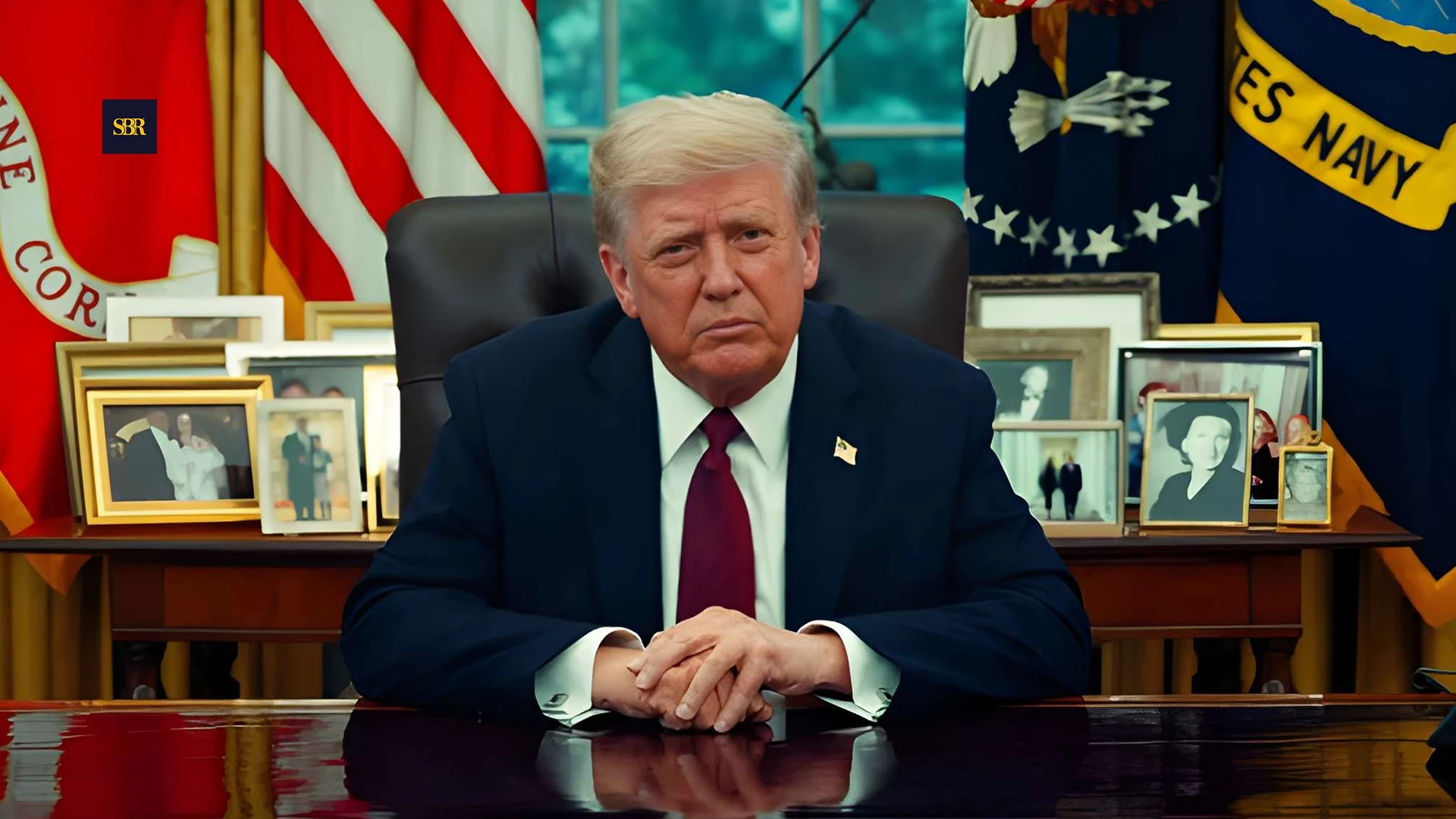
WASHINGTON, April 2, 2026 — US stock futures fell Thursday after former President Donald Trump made remarks that cast doubt on expectations for an early end to the ongoing conflict. Traders had recently factored in a faster resolution, but the comments prompted a reassessment of both market sentiment and risk, sending a ripple through equities and energy markets alike.
S&P 500 futures dropped 0.1 percent in mid-morning trading after falling as much as 1.5 percent earlier, while the Nasdaq 100 slipped 0.3 percent following a decline of more than two percent. Six of the eleven S&P sectors remained in positive territory, showing that optimism in some areas persisted despite the broader retreat.
Energy markets reflected heightened caution, with Brent crude rising to roughly $107 per barrel as investors weighed potential disruptions to supply. Volatility, measured by the Cboe Volatility Index, hovered near 25, easing slightly from earlier in the session but still signaling underlying nervousness among market participants.
Markets Recalibrate Risk
Futures Reflect Swift Shift in Sentiment: US futures moved lower as traders quickly adjusted positions following Trump’s remarks, which disrupted expectations of a near-term resolution to the conflict. Earlier optimism had supported equities, but that tone weakened as uncertainty returned, prompting a more cautious stance across portfolios. The sharp intraday swings highlight how sensitive markets remain to geopolitical cues, especially when prior assumptions are challenged, and underscore how quickly sentiment can shift in response to political signals.
Safe-Haven Demand Edges Higher: As risk appetite softened, investors shifted toward traditionally safer assets, reflecting a defensive tilt in allocation. Bond yields showed signs of adjustment, while volatility indicators remained elevated, signaling ongoing unease. This movement underscores a broader recalibration of expectations, as market participants weigh the likelihood of prolonged tensions against earlier assumptions of stability, and as they seek to hedge against potential market turbulence.
Geopolitical Uncertainty Takes Center Stage
Trump’s remarks came amid ongoing diplomatic activity, including reports that Iran is drafting a protocol to monitor traffic through the Strait of Hormuz. While that development offered some reassurance, the market’s focus remained on the broader trajectory of the conflict, particularly the timing of a potential resolution and the possibility of further escalation.
Investor sentiment had been bolstered by hopes that tensions might ease, allowing for more predictable economic conditions. With those expectations now in question, traders must consider both immediate risks and potential economic consequences, including energy costs, trade disruptions, and volatility across financial assets.
Broader Economic Concerns Return
The renewed uncertainty highlights the connection between geopolitics and economic stability. Prolonged conflict can affect trade flows, energy prices, and corporate planning, and those effects can ripple through markets, shaping investor behavior and influencing central bank considerations.
Recent equity gains, which had been supported by expectations of calmer conditions, now appear more fragile. Investors are evaluating how the conflict could alter inflation trends, growth forecasts, and corporate earnings, with geopolitical risk once again taking precedence in short-term market decisions.
Investor Sentiment Drives Market Moves
Market participants are adjusting positions as uncertainty persists. Riskier assets may see reduced demand, while traditional safe havens attract more attention. The swift change in sentiment illustrates how reactive markets can be when new developments shift expectations for conflict resolution.
Futures and equity indexes are likely to remain sensitive to updates from political leaders and developments on the ground. Each new statement or event can influence expectations, making short-term market movements pronounced and immediate.
As the situation unfolds, investors are balancing longer-term economic fundamentals with the immediate implications of geopolitical risk. The ability to respond to evolving information will be crucial for managing exposure and navigating fluctuations in sentiment and prices.
Trump’s remarks came amid ongoing diplomatic activity, including reports that Iran is drafting a protocol to monitor traffic through the Strait of Hormuz.









ft.webp)

ft.webp)
ft.webp)
ft.webp)
ft (1).webp)
ft (2).webp)
ft.webp)