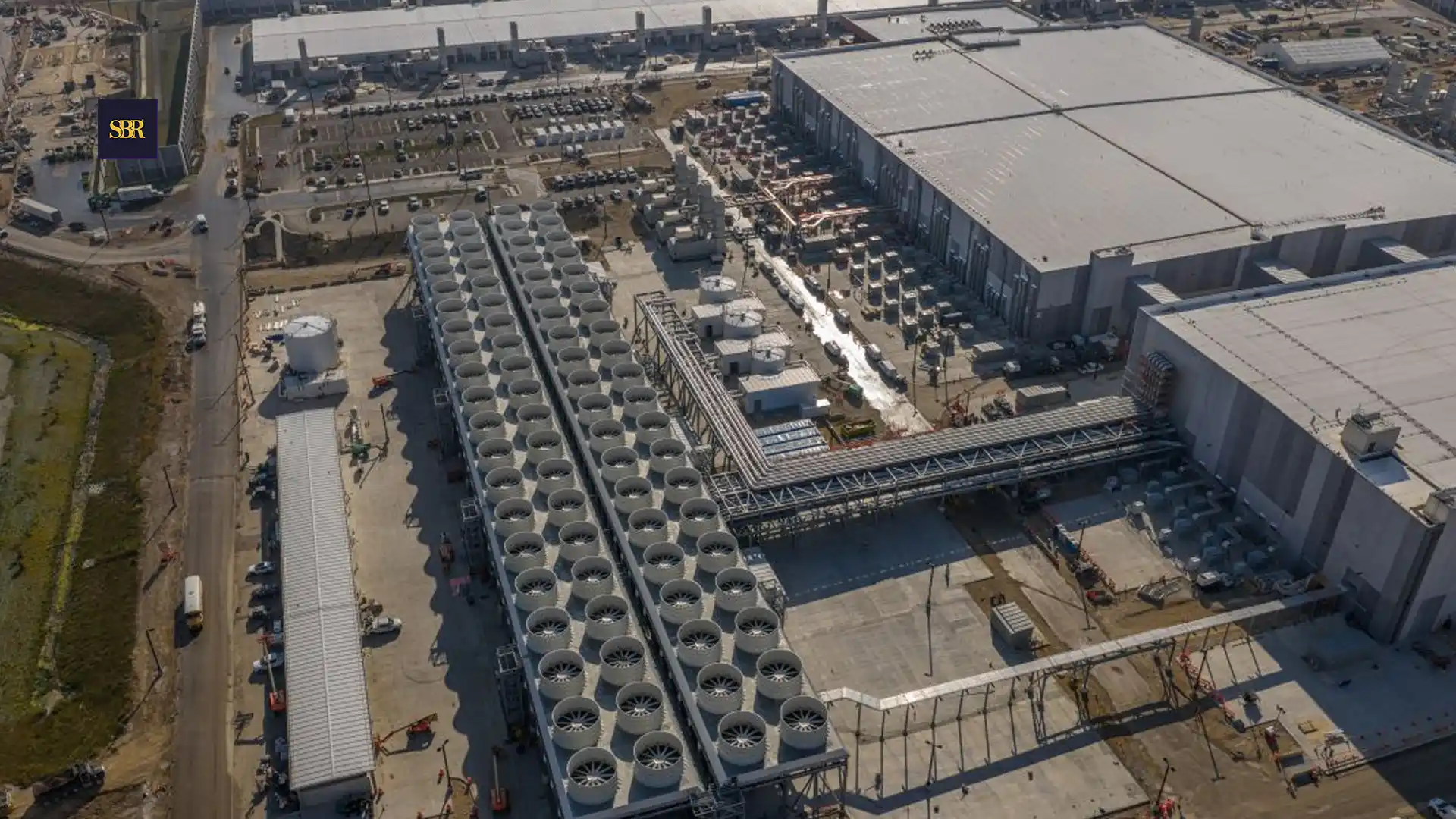
COLUMBUS, Ohio, Sept. 19, 2026 — AI companies and cloud providers need more data center capacity in the United States. AI models require large computing systems to train and run. Cloud providers need additional servers to deliver computing and storage services. Data centers require buildings, electricity, cooling equipment, and connections to power grids. As companies add computing capacity, they will need to build more data centers or expand existing data centers.
AI Needs More Data Centers
The AI boom is prompting companies to build more computing capacity across the United States. Companies are also considering smaller communities as locations for new data centers.
In Defiance, Ohio, no company has announced plans to build a data center, but Defiance County Economic Development has received inquiries from technology companies. The city has about 17,000 residents and is surrounded by soybean fields. Residents have gathered signatures for a ballot measure that would restrict new data center construction, and city officials have announced a six-month moratorium on new data center project approvals.

Electricity is a Major Requirement
Electricity is a major operating requirement for data centers. AI workloads can consume large amounts of electricity, and utilities may need to build power plants, transmission lines and substations to serve a large data center. New electricity infrastructure requires capital spending and can take years to complete. A large data center can require more electricity-generation and transmission capacity than the local grid currently provides.
Data center operators should pay for electricity infrastructure built specifically to serve their projects. If a utility spreads the cost of power plants, transmission lines, or substations across all electricity customers, households and other businesses can pay part of the electricity infrastructure cost. Utilities should disclose the electricity-generation capacity, transmission capacity, power plants, transmission lines, and substations required for each large data center. Utilities should also disclose how much of the project-specific infrastructure spending the data center operator will pay and how much other electricity customers will pay.
Tax Incentives Encourage Investment
State and local governments use tax incentives to attract data center investment. Governments can cite construction jobs, permanent jobs, capital investment, and tax revenue when offering tax breaks to data center operators. Amazon says it has invested nearly $40 billion in Ohio since 2015. Meta says it has invested more than $2.3 billion in Ohio since 2018. Both companies say their Ohio data centers have generated jobs and tax revenue.
Governments should also disclose the amount of tax revenue they forgo when they grant tax incentives to data center projects. Reuters reported that Ohio tax records showed more than $2 billion in sales-tax revenue was forgone through data-center incentives in 2024 and 2025. The $2 billion figure does not establish whether Ohio received more public revenue from the data center projects than the state gave up through the tax incentives. Governments should publish the dollar value of each tax incentive, the tax revenue generated by each data center, the number of permanent jobs created by each data center, and the amount of public money spent on electricity infrastructure, roads, and water systems for each data center project.

Photo credit: Reuters
Local Officials Need Project Details
Data centers can create construction jobs, permanent jobs, capital investment, and tax revenue. Construction can create temporary jobs, while data center operations can create permanent jobs after construction ends. Data center companies can also spend billions of dollars on buildings, servers, electrical equipment and cooling equipment required to operate a data center. Local officials should examine the jobs, capital investment and tax revenue from each data center project alongside the project’s electricity use, water use, land use and public infrastructure requirements.
Before approving a data center project, local officials should have project-specific estimates for electricity use, water use, the number of acres the project would occupy, construction jobs, permanent jobs, tax payments and tax incentives. Utilities should identify every power plant, transmission line, and substation required to provide electricity to the proposed data center and state who will pay for each project. The state or local government granting a tax incentive should disclose the tax revenue it expects to receive from the data center and the tax revenue it expects to forgo through the tax incentive. AI companies need more data center capacity, but communities should have specific information about tax revenue, tax incentives, electricity use, water use, land use, jobs, and public infrastructure before approving large data center projects.
The AI boom is prompting companies to build more computing capacity across the United States. Companies are also considering smaller communities as locations for new data centers.





.webp)