
In western Germany, Greenlyte Carbon Technologies is developing infrastructure designed to convert atmospheric carbon into synthetic fuels for sectors that face significant decarbonization challenges. The company captures carbon dioxide directly from ambient air and pairs it with hydrogen produced from water, creating the chemical foundation required for synthetic fuels such as e-methanol, synthetic natural gas, and sustainable aviation fuel. By integrating capture and conversion within one modular platform, Greenlyte links renewable electricity to industrial fuel production through a continuous process rather than separate systems.
Founded in 2022 in Essen, the company originated from research focused on direct air capture and electrochemical conversion. Early financing supported technical development, pilot testing, and preparation for commercial deployment. From the outset, the strategy centered on using captured carbon as a feedstock for fuel synthesis rather than treating it solely as a material for long term storage. This orientation connects climate objectives with established energy markets and provides a pathway for atmospheric carbon to re-enter the economy in usable form.
Direct Air Capture Integrated with Fuel Production
Greenlyte’s LiquidSolar system begins with air intake. A liquid absorbent captures carbon dioxide as ambient air flows through the unit, separating it from other atmospheric gases. The captured CO₂ then moves into electrochemical stages powered by renewable electricity, where it is released in purified form. This process produces a consistent stream of carbon dioxide suitable for downstream chemical synthesis.
At the same time, the system generates hydrogen from water using renewable power. Producing hydrogen within the same modular structure ensures that both essential components for fuel synthesis are available together. Because carbon dioxide and hydrogen are created in close operational proximity, the pathway from air to fuel precursor remains streamlined within the system’s architecture. The output can then be directed into established synthesis routes to produce liquid or gaseous fuels.
The modular design allows each unit to function independently or as part of a larger installation. Operators can add additional modules to increase capacity without redesigning the core technology. This flexibility supports phased deployment and enables production to scale alongside available renewable electricity and secured fuel demand.
From Research Roots to Industrial Deployment
Greenlyte’s transition from research development to industrial operation occurred rapidly. In 2025, Greenlyte inaugurated a commercial LiquidSolar synthetic natural gas facility in Duisburg. The plant captures atmospheric carbon dioxide and converts it into synthetic natural gas that can be used in existing infrastructure. This milestone demonstrates that integrated air capture and fuel synthesis can operate within industrial environments.
Construction timelines reflected standardized engineering and the replication of modular components. By using consistent unit designs, the company reduced complexity in plant layout and commissioning. Operational data from early deployments provide evidence of sustained runtime performance, supporting the system’s readiness for broader use. These installations serve as foundational examples for future facilities.
Additional projects are planned in Marl and other regions. Future sites are expected to produce e-methanol and sustainable aviation fuel intermediates at larger volumes. By locating plants near renewable energy sources and industrial centers, Greenlyte aligns production with power availability and downstream distribution channels. This geographic strategy strengthens integration between clean electricity generation and synthetic fuel output.
Supplying Aviation and Heavy Industry
Aviation represents one of the most energy intensive transportation sectors, requiring fuels with high energy density. Long haul flights depend on liquid fuels, and full electrification remains limited by battery weight and range constraints. Synthetic aviation fuel derived from atmospheric carbon offers compatibility with existing aircraft engines and airport infrastructure while reducing lifecycle emissions compared with conventional fossil fuels.
Heavy industry also relies on fuels and feedstocks that are difficult to replace with direct electrification. Sectors such as steel production, cement manufacturing, chemical processing, and large-scale industrial heating require high temperature inputs or carbon-based materials. Synthetic fuels and feedstocks produced from renewable electricity provide alternatives that can integrate into these established processes without fundamental redesign.
By generating carbon and hydrogen within an integrated system, Greenlyte supplies inputs suitable for these sectors. The resulting synthetic fuels can enter existing distribution networks and industrial supply chains. This compatibility allows industries to adopt lower emission options while maintaining operational continuity.
Scaling Through Modular Deployment and Partnerships
Scaling carbon to fuel systems requires both reliable technology and coordinated financial structures. Greenlyte’s modular architecture supports expansion by replication. Instead of constructing entirely unique facilities for each project, operators can install additional identical units to increase output. This approach simplifies engineering and allows production capacity to grow in alignment with renewable electricity availability.
Public funding and private investment have supported development and early commercialization. Long term agreements with fuel buyers help align supply with demand, providing visibility for future production volumes. These arrangements connect project development with established market participants and support continued deployment of additional modules.
As renewable energy generation expands, systems like LiquidSolar can operate in proximity to wind and solar installations. Renewable electricity serves as the primary driver of carbon capture and hydrogen production, making power availability a key factor in scaling. The integration of clean power with synthetic fuel synthesis creates a pathway for atmospheric carbon to be converted into energy products that serve aviation and heavy industry.
Greenlyte’s progression from research in Essen to operational facilities in Duisburg illustrates how integrated air capture and fuel production can move into commercial practice. Through modular deployment and targeted sector focus, the company connects atmospheric carbon with fuel markets, offering a structured pathway for synthetic fuels within industries that require high energy density and reliable supply.
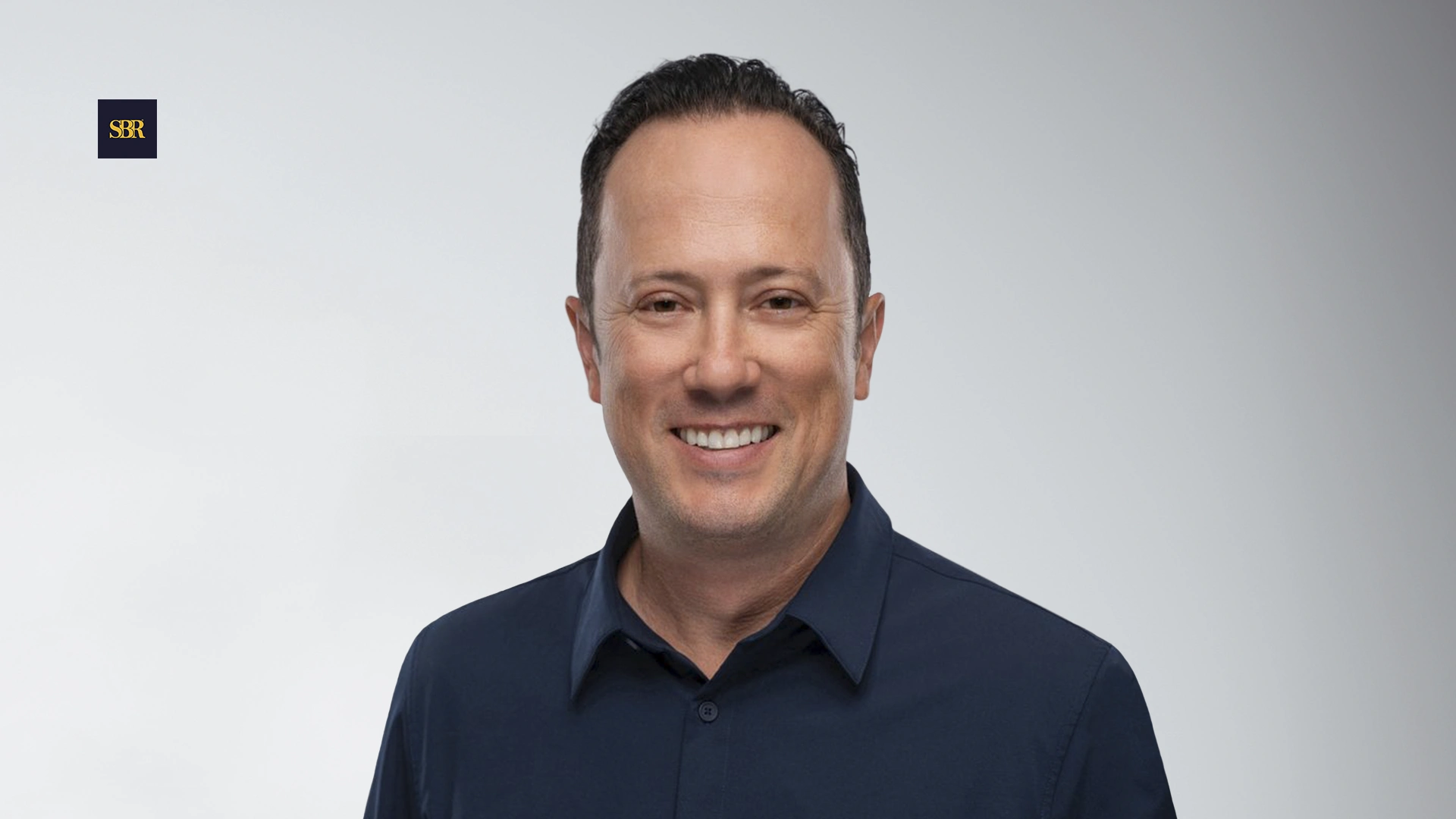
Dr. Martin Schmickler, Co-Founder & COO, Greenlyte Carbon Technologies















.webp)