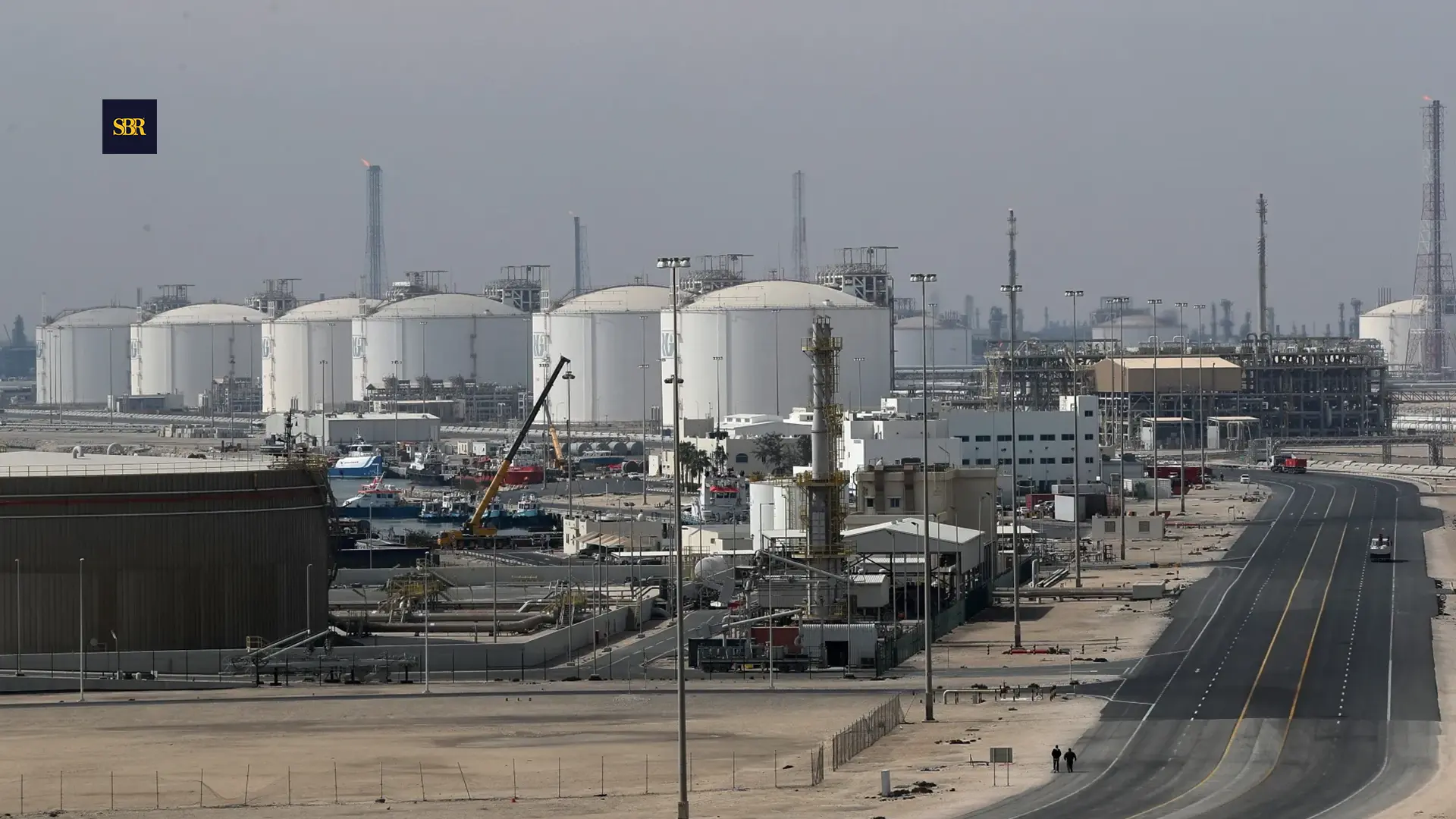
DUBAI, April 15, 2026 — The cost of repairing energy infrastructure damaged in the Middle East conflict could reach as much as $58 billion, according to Rystad Energy, which has revised its earlier estimate higher after incorporating additional assessments of affected assets.
The updated figure compares with a previous estimate of about $25 billion, reflecting a broader evaluation of damage across oil, gas, refining, petrochemical, and related industrial facilities. The revision reflects expanded field verification and reassessment of infrastructure conditions following the period of hostilities.
Rystad’s analysis indicates that the extent of disruption is wider than initially recorded, extending across production systems, processing facilities, and export-linked infrastructure across several countries in the region.
Oil and Gas Assets Account for Majority of Losses
Refining and Processing Units Face the Heaviest Repair Load: Oil and gas infrastructure represents the largest share of the estimated damage, with downstream refining and petrochemical facilities carrying a significant portion of the repair burden.
Refining and processing units are among the most time-intensive assets to restore once damaged. Their complexity means even partial disruption can require extended shutdown periods while inspections, equipment replacement, and system recalibration are completed before operations can resume safely.
Upstream Production Disruption Adds to Overall Losses: Upstream production has also been affected in several areas, with interruptions reported where facilities were directly impacted or where operators suspended output for safety reasons.
These stoppages add to the overall loss profile, as reduced production and delayed restart schedules compound the financial burden alongside physical repair requirements.

Country-Level Exposure Varies Across the Region
The financial exposure differs significantly across Middle Eastern producers depending on the concentration of infrastructure and the severity of damage sustained.
Iran is estimated to face one of the highest repair burdens, with potential costs reaching up to $19 billion, reflecting damage across multiple energy facilities. Qatar also faces notable restoration requirements linked to gas infrastructure, where specialised equipment and technical components are required for repairs.
Other Gulf producers have reported more dispersed effects, including damage to export terminals, storage facilities, and transport systems that support crude and refined product movements.
Broader Energy System Reflects Secondary Effects
Although the physical damage is concentrated within the region, energy markets and supply chains outside the Middle East have also been affected through adjustments in trade flows and scheduling.
Production disruptions and infrastructure outages have contributed to uncertainty around supply availability, while shipping routes and delivery schedules have been adjusted in response to operational conditions.
Some international operators have also adjusted project timelines as engineering capacity and specialised equipment are allocated toward repair and restoration work in affected areas.
Reconstruction Dependent on Equipment and Logistics
Restoration work depends on access to specialised industrial equipment and engineering services, much of which is concentrated among a limited number of global suppliers.
Delays in procurement and transport of large components used in refining, gas processing, and power systems are expected to influence the pace of repair activity across multiple sites.
Insurance reassessments and revised risk calculations have also contributed to changes in financing conditions for certain projects, adding additional considerations for operators involved in rebuilding efforts.
Iran is estimated to face one of the highest repair burdens, with potential costs reaching up to $19 billion, reflecting damage across multiple energy facilities. Qatar also faces notable restoration requirements linked to gas infrastructure, where specialised equipment and technical components are required for repairs.












.webp)