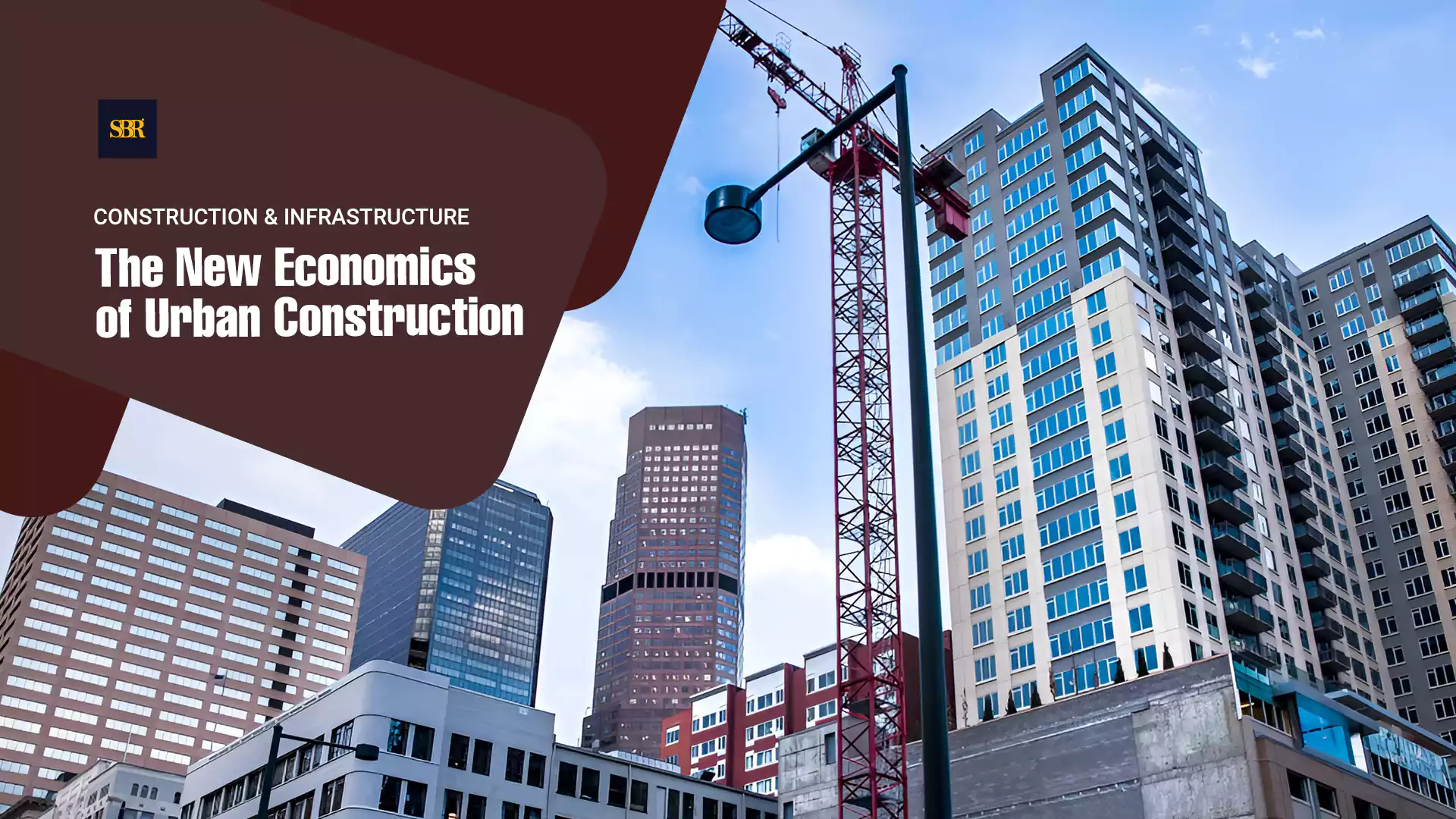
NEW YORK, Nov. 6, 2025 — Cities are growing faster than ever. This growth demands new ways to plan, build, and manage urban life. Roads, buildings, and public spaces now connect with the systems around them. They respond to traffic patterns, energy use, and daily human activity. Success is no longer measured only in square footage or budget. Planners and developers also look at efficiency, durability, and how well infrastructure meets real-time needs. Projects that work with the city instead of against it save time, money, and resources.
How Construction Professionals Adapt to Change
Collaboration on Digital Platforms: Architects, engineers, and planners work on shared systems where designs, schedules, and supply chains update instantly. Teams stay in sync, and delays are reduced.
New Skills for the Workforce: Construction workers now operate drones, monitor automated machinery, and interpret complex data. Physical skill is still essential, but digital literacy is just as important. Modern construction connects infrastructure with the city and the people who live in it. Every project requires a mix of hands-on work and understanding how systems interact.

Can Construction Solve Urban Challenges?
Rapid urban growth, traffic congestion, and limited resources are forcing cities to rethink how they function. Sensors track energy and water use to prevent waste. Transportation systems adjust automatically to demand. Buildings modify lighting, heating, and cooling based on occupancy and weather. Cities are learning to anticipate problems rather than react. This improves efficiency, reduces emissions, and makes daily life smoother. Integrating new projects with older infrastructure and keeping costs under control remain challenges. But smart construction shows that careful planning pays off in both economic and social terms.
Global Benchmarks Show What Works
Around the world, cities are proving how construction can drive performance. Estonia built a nationwide digital backbone. Citizens can vote, pay taxes, and access services online. Cities use the same system to manage traffic, energy, and safety efficiently.
Songdo in South Korea was built from scratch as a fully planned smart district. Sensors manage traffic, energy, and waste in real time, letting the city respond instantly to changing conditions. Rotterdam in the Netherlands embeds water management into streets, canals, and dikes to prevent floods and keep the city running. Kigali in Rwanda uses smart construction to improve public transport, optimize waste collection, and guide urban planning as the city grows. These examples show that strategic investment in construction benefits cities directly, making them more efficient, resilient, and livable.
Investment Defines Urban Growth
As these examples show, progress depends on where cities put their money. Public and private capital are now directed toward infrastructure that delivers long-term value instead of short-term results. Developers prioritize materials that last longer, systems that reduce maintenance, and designs that lower energy use over time. Governments are also rethinking procurement, rewarding efficiency and resilience rather than the lowest bid. These shifts have changed how cities view construction. What was once seen as an expense is now treated as an investment that generates steady returns, supports business activity, and raises property values. In today’s cities, construction is part of an economic strategy, not just a physical framework.
Construction now influences how cities operate every day. Roads, buildings, and public spaces interact with energy systems, traffic, and human activity, shaping efficiency and quality of life. Every design decision, material choice, and workflow affects how well a city functions and responds to its residents’ needs.
Construction today is about more than putting up buildings, it is about building infrastructure that connects, adapts, and improves how cities function.