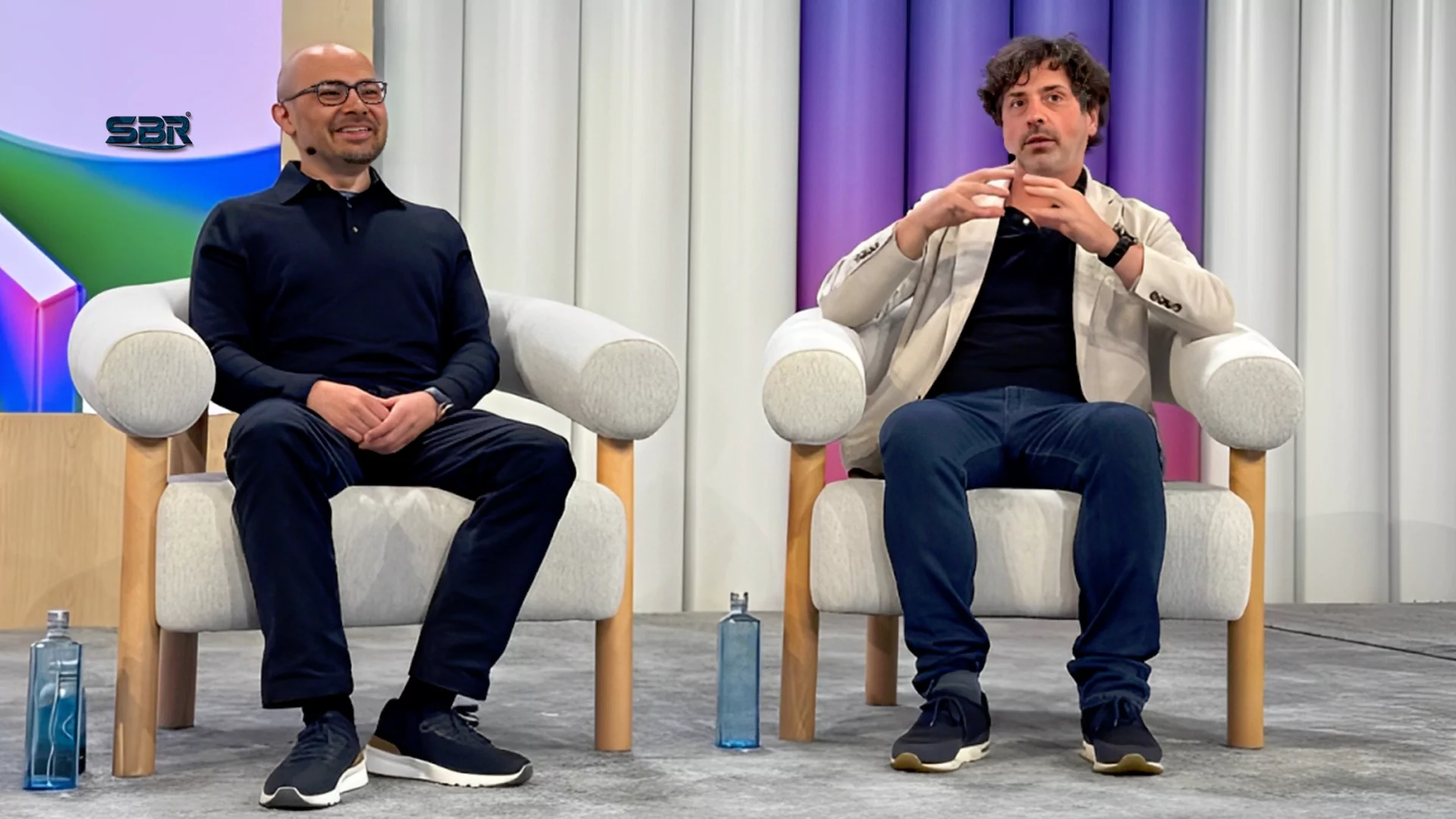
MOUNTAIN VIEW, Calif., May 21, 2025 — Google co-founder Sergey Brin admitted Tuesday that he “made a lot of mistakes with Google Glass” during a surprise interview at Google I/O 2025. Speaking alongside Google DeepMind CEO Demis Hassabis and Big Technology Podcast host Alex Kantrowitz, Sergey reflected on the challenges of developing smart glasses a decade ago and expressed optimism about the company’s renewed efforts.
Sergey acknowledged his lack of experience with consumer electronics supply chains, a factor that contributed to the original Google Glass’s commercial difficulties. He emphasized his continued belief in smart glasses as a form factor and welcomed Google’s new partnerships with companies such as Warby Parker, Samsung, and Xreal, which he said bring essential expertise to the project.
Earlier Tuesday, Google unveiled its Android XR smart glasses powered by DeepMind’s Project Astra, demonstrating features like live translations, navigation assistance, and AI-powered queries. The company is investing up to $150 million in Warby Parker and taking an equity stake to support development and overcome past supply chain hurdles.
 Sergey highlighted how generative AI has transformed the potential of smart glasses since the original Google Glass. He also revealed that he has effectively come out of retirement to work on Google’s Gemini AI projects, spending most weekdays at the Mountain View office and contributing to initiatives such as the video-generating model Veo 3.
“Anybody who’s a computer scientist should not be retired right now,” Sergey said. “They should be working on AI.”
Reports have indicated Sergey is pushing Google’s AI teams hard, urging employees to be in the office every weekday and suggesting that a 60-hour workweek may be optimal for productivity.
Anybody who’s a computer scientist should not be retired right now. They should be working on AI.