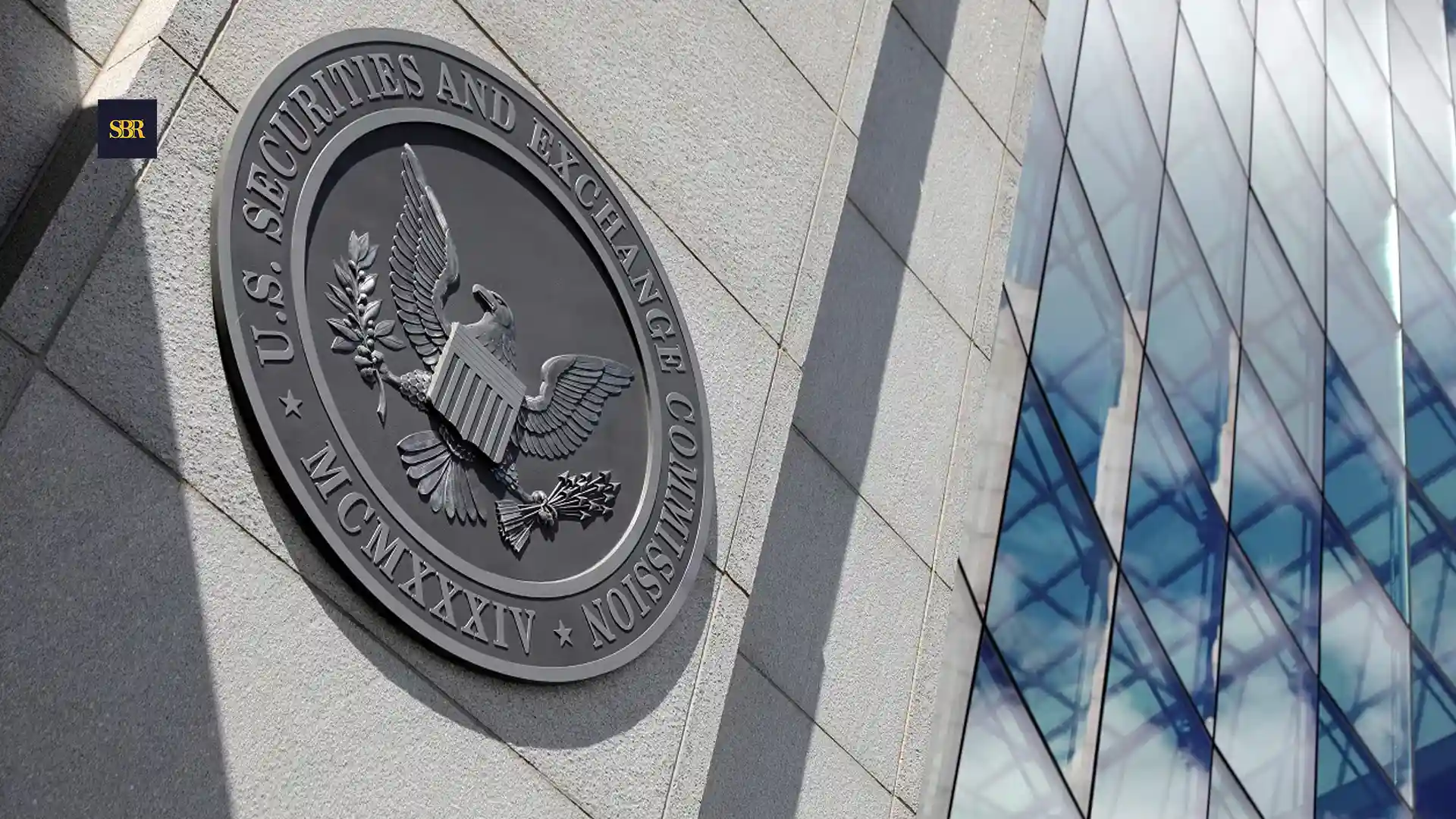
WASHINGTON, Sept. 18, 2026 — The U.S. Securities and Exchange Commission proposed Wednesday to rescind the federal rule that governs when public companies must include shareholder proposals in their proxy materials, leaving the inclusion of shareholder proposals to state law and company governing documents instead.
The proposal would rescind Rule 14a-8, which has governed the inclusion of shareholder proposals in proxy statements for decades. Investors have used the process to bring resolutions on issues including executive compensation, climate change, carbon emissions and workforce diversity to annual shareholder meetings. The SEC also proposed changes to proxy solicitation rules, including eliminating the requirement that companies deliver a separate annual report to security holders. The proposals are subject to public comment before the commission decides whether to adopt them.
SEC Seeks to Rescind Rule 14a-8
Rule 14a-8 sets out when a shareholder proposal must be included in a company's proxy statement for consideration at a shareholder meeting. The rule has provided shareholders with a federal process for seeking inclusion of proposals in company proxy materials. Under the SEC's proposal, that federal framework would be removed, leaving the role of shareholder proposals to state law and company governing documents.
SEC Chairman Paul Atkins said the commission does not have statutory authority to determine which matters are proper subjects for shareholder votes. He said corporate governance matters should be handled under the law of the state where a company is incorporated, along with company governing documents where state law permits. “Companies and their shareholders should look to the state’s legislature — and if permitted by the state, the company’s governing documents — for the framework governing shareholder proposals, and resolve disputes in the state’s courts or other permitted forums,” Atkins said in a statement, according to Reuters. The SEC also said some of the reasons previously given for Rule 14a-8 are less compelling today and that the federal rule may have discouraged states from establishing their own laws governing shareholder proposals.
Investors and Companies Could Face Different Rules
Investors have used shareholder proposals to raise corporate governance and business issues at annual meetings. Resolutions have addressed executive pay, climate-related matters, carbon emissions, workforce diversity and other subjects. Reuters reported that the number of such proposals has fallen in recent years, although they remain part of the annual meeting process at public companies. The proposed rescission has drawn criticism from investor advocates and public officials who say Rule 14a-8 gives shareholders a longstanding way to raise issues with corporate boards and fellow shareholders.
New York State Comptroller Thomas DiNapoli, who oversees state retirement funds, said the shareholder proposal process has been part of U.S. corporate governance for more than 80 years. “For more than 80 years, the shareholder proposal process has been a cornerstone of American corporate governance that has strengthened board oversight, improved risk management, and fostered productive dialogue between investors and companies,” DiNapoli said in a statement, according to Reuters. He also said the SEC proposal could allow corporate management to avoid accountability to shareholders. That is DiNapoli’s assessment of the proposal, rather than an SEC finding. The SEC has presented a different legal basis for the change, saying its federal securities authority does not extend to matters of corporate governance that are governed by state law.
SEC Also Proposes Proxy Rule Changes
The shareholder proposal measure is one part of a wider set of proxy rule changes announced by the SEC on Sept. 16. The commission separately proposed amendments to proxy solicitation rules that would eliminate the requirement that companies deliver an annual report to security holders, eliminate the delivery deadline for certain documents incorporated by reference into proxy statements, eliminate the requirement and ability to submit Notices of Exempt Solicitation, and reduce the minimum broker search period from 20 business days to five business days.
The annual report proposal concerns a separate requirement under Rule 14a-3. Atkins said companies often provide shareholders with substantially the same information through an annual report and Form 10-K. The SEC said eliminating the separate annual report requirement would reduce costs associated with preparing and delivering the document without reducing investor access to information. The commission also proposed changes to Rule 14a-4(c), which governs discretionary proxy voting authority. The SEC said the amendments would give companies greater flexibility and shareholders greater control regarding proposals for which a company may seek discretionary proxy voting authority.

Photo credit: Reuters
Public Comment Will Determine Next Steps
The proposals do not take effect immediately. The SEC will receive public comments for 60 days after the proposing releases are published in the Federal Register. The commission will then consider the comments before deciding whether to adopt the measures, revise them, or withdraw them. Until the SEC takes final action, Rule 14a-8 remains part of the federal proxy framework.
If the commission adopts the proposal to rescind Rule 14a-8, state statutes, corporate charters and bylaws would play a larger role in determining how shareholder proposals are handled. Companies incorporated in different states could therefore be subject to different rules. Atkins has pointed to competition among states for corporate domiciles as another reason for the SEC to recognize the limits of its federal authority. The SEC will decide whether to adopt, revise, or withdraw the proposals after reviewing public comments.
For more than 80 years, the shareholder proposal process has been a cornerstone of American corporate governance that has strengthened board oversight, improved risk management, and fostered productive dialogue between investors and companies.