REIMS, France, July 16, 2026 — Lululemon’s participation goes beyond financial backing. The activewear company has also invested in textile recycling startups such as Epoch Biodesign and Samsara Eco, showing continued interest in expanding the use of recycled fibers in performance apparel. Other brands are also working with Syntetica. Victoria’s Secret and French fashion retailer Etam are involved in recycling projects that could reach the market early next year, while global apparel manufacturer MAS Holdings joined the funding round as an investor. Such participation is notable because manufacturers and apparel brands have usually waited until recycling technologies reached commercial scale before investing. Early backing from companies across the apparel industry reflects growing interest in finding long-term solutions for textile waste.
Industrial partnerships extend beyond fashion companies. Syntetica has partnered with Michelin's Center for Sustainable Materials in Clermont-Ferrand, France, where a commercial demonstration facility will be established. Rather than producing textiles, the company will manufacture recycled nylon pellets that other manufacturers can convert into yarn, fibers, and fabrics before they are made into garments. This structure allows Syntetica to focus on recycling while established manufacturers continue producing finished textile materials and apparel.
Nylon Volatility Creates Fresh Interest
Recent swings in petroleum-based raw material prices have given apparel companies another reason to explore recycled nylon. According to CEO Marco Bertone, geopolitical events affecting the oil industry have led to frequent nylon price renegotiations, with some contracts moving from quarterly discussions to weekly revisions. Such uncertainty has encouraged brands to reconsider their dependence on virgin synthetic materials made from fossil fuels. Rather than presenting recycled nylon only as a sustainability option, Syntetica believes widespread adoption depends on offering material that is cost-competitive with conventional nylon.
This thinking has shaped the company's business strategy from the beginning. Bertone believes sustainable materials cannot remain premium-priced products if they are expected to gain widespread use across the apparel industry. That belief led Syntetica to build partnerships with brands, manufacturers, and industrial companies before expanding production. Working with established companies also allows recycled nylon to fit into existing manufacturing processes instead of requiring major changes across the textile industry.

Scaling Production Through Industrial Collaboration
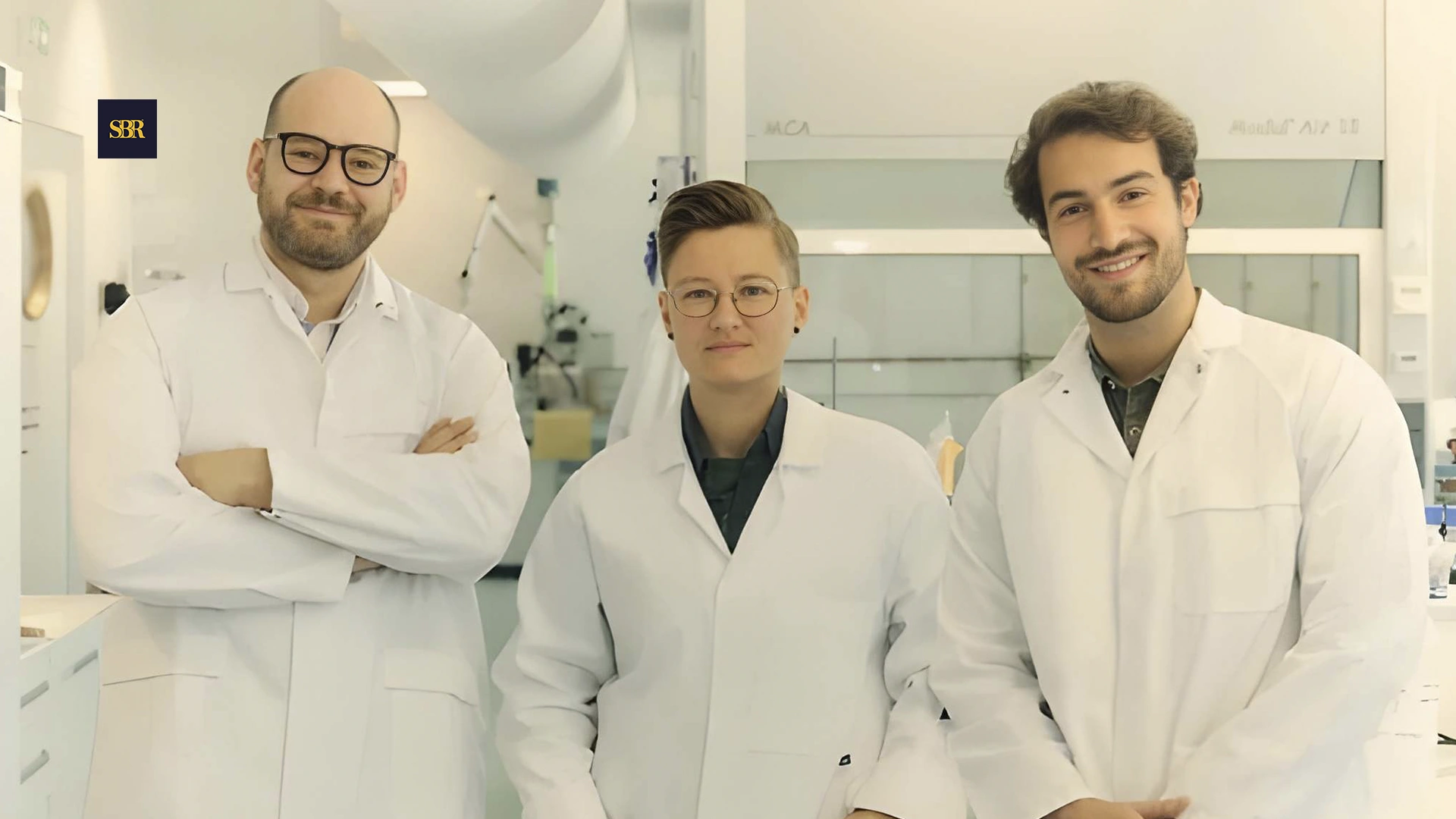
Syntetica emerged from Entrepreneurs First, a startup accelerator operating from Station F in Paris, where Bertone, who has a background in fashion and second-hand e-commerce, partnered with chemistry researcher Louis Monsigny. The pair later developed the recycling technology using laboratory facilities at AgroParisTech in Reims before hiring Chief Technology Officer Ash Ward, who previously worked at battery company Northvolt. Ward's experience, along with guidance from Northvolt co-founder Peter Carlsson, has helped the company make informed decisions as production moves toward commercial scale.
Rather than expanding into other recycled materials, Syntetica is focused on proving the commercial production of recycled nylon pellets. The new funding will help build manufacturing capacity capable of producing hundreds of tons each year before international expansion begins. Future facilities are expected to be built close to textile waste collection centers and garment manufacturing hubs, reducing transportation needs and making the production process more efficient. Staying focused on nylon also allows the company to prove commercial success before moving into other materials or industries.
European Support Fuels Commercial Expansion
France has become an important location for industrial innovation in textile recycling, giving companies such as Syntetica access to strong public backing. The Series A funding round was led by the Ecotechnologies 2 fund, managed by the Green Venture division of France's public investment bank, Bpifrance, through the France 2030 initiative. Additional funding came from the European Innovation Council through grants, equity investment, and accelerator programs. Private investors, including EQT Ventures, SWEN Capital Partners, and several family offices, also participated in the financing round.
Public funding reflects Europe's efforts to strengthen domestic manufacturing while reducing dependence on fossil-fuel-based raw materials. Textile recycling is also receiving support from regulations that encourage circular production and better use of resources. Competition remains strong, with several startups developing enzymatic recycling technologies while BASF has introduced recycled nylon products for commercial use. Bertone believes the challenge is too large for one company to solve alone, noting that even dozens of recycling facilities would address only part of the world's textile waste. Investment from companies such as Lululemon shows that recycled nylon is moving from research laboratories toward large-scale manufacturing for the global apparel industry.
Syntetica emerged from Entrepreneurs First, a startup accelerator operating from Station F in Paris, where Bertone, who has a background in fashion and second-hand e-commerce, partnered with chemistry researcher Louis Monsigny.