Vascular procedures can become difficult when arteries are narrowed, blocked, or highly curved. Reaching the diseased area is often the first challenge before treatment can begin. For patients with advanced peripheral artery disease, restoring blood flow can be critical to healing and limb preservation. Worldwide, a lower limb is lost because of diabetes approximately every 30 seconds, according to a study published in The Lancet.
Flux Robotics is a medical device company developing robotic navigation technology for vascular procedures. The company uses magnetic control to steer a magnetically responsive guidewire through difficult blood vessels, with an external robotic magnet applying directional force near the guidewire tip. The technology is designed to help physicians reach and cross difficult vascular blockages so treatment can proceed.
Closing the Guidewire Control Gap
Conventional guidewires are pushed and rotated from the insertion site, which can be far from the target area. In tortuous anatomy, friction can reduce the force reaching the distal tip. This can make it harder to control the guidewire at the point where precise steering is needed.
Flux is designed to reduce this mechanical limitation by applying directional force closer to the guidewire tip. An external magnet creates the force needed to steer the magnetically responsive guidewire. A robotic arm positions the magnet, while the physician remains in control of the guidewire. This gives the physician a way to direct the tip while the magnetic system provides the steering force.
The concept has also been tested in human-in-the-loop research. A study of the Flux One system involved 11 operators navigating complex vascular phantoms. The study reported a 47% reduction in guidewire navigation time compared with manual navigation, while all predetermined targets were reached.
How the Flux System Works
The Flux system has four main elements. First, the physician inserts the guidewire and steers the tip using the external magnet. Second, a robotic arm positions the external magnet to apply directional force to the guidewire tip. Third, a single-use magnetically responsive guidewire responds to the applied magnetic field. Fourth, AI-enhanced navigation software assists with procedural planning and is designed for use in existing catheterization laboratories and hybrid operating rooms.
The physician remains in control throughout the procedure, while the robotic arm, external magnet, guidewire, and navigation software work together to guide the procedure.
From Complex fEVAR to Peripheral CTOs
Flux’s initial clinical entry is complex fenestrated endovascular aortic repair, or complex fEVAR. The application provides a defined navigation task and measurable procedural endpoints. It also gives the company a focused regulatory pathway for establishing its initial clinical use.
The same magnetic navigation platform is being developed for use across other vascular anatomies. Neurovascular and cardiovascular procedures are part of the broader platform vision, while peripheral chronic total occlusion, or CTO, crossing is a planned expansion. CTOs are difficult blockages that conventional guidewires may not be able to cross. Future indications require dedicated validation and regulatory clearance.
From Validation to First-in-Human
Flux has completed several development stages, including bench validation, vascular phantom studies, preclinical studies and a design freeze. Current work includes verification planning, regulatory preparation and ISO 13485 activities. The next stages listed by the company include usability validation and GLP studies.
First-in-human validation is the next major milestone on the development path. Future work includes clinical validation for peripheral CTO crossing and commercial expansion. In April 2026, Flux Robotics also launched the APOLLO project with Saxion to create annotated 3D vascular datasets and develop AI methods for real-time path planning within its magnetic navigation platform. The project adds a data and AI development layer to the company's longer-term vascular navigation work.
Flux Robotics was incorporated in 2022 as a University of Twente spin-off to commercialize magnetic navigation technology developed at the university's Surgical Robotics Laboratory. The company is now developing that research into a clinical-stage medical technology platform for difficult vascular navigation.
ABOUT | CHRISTOFF HEUNIS
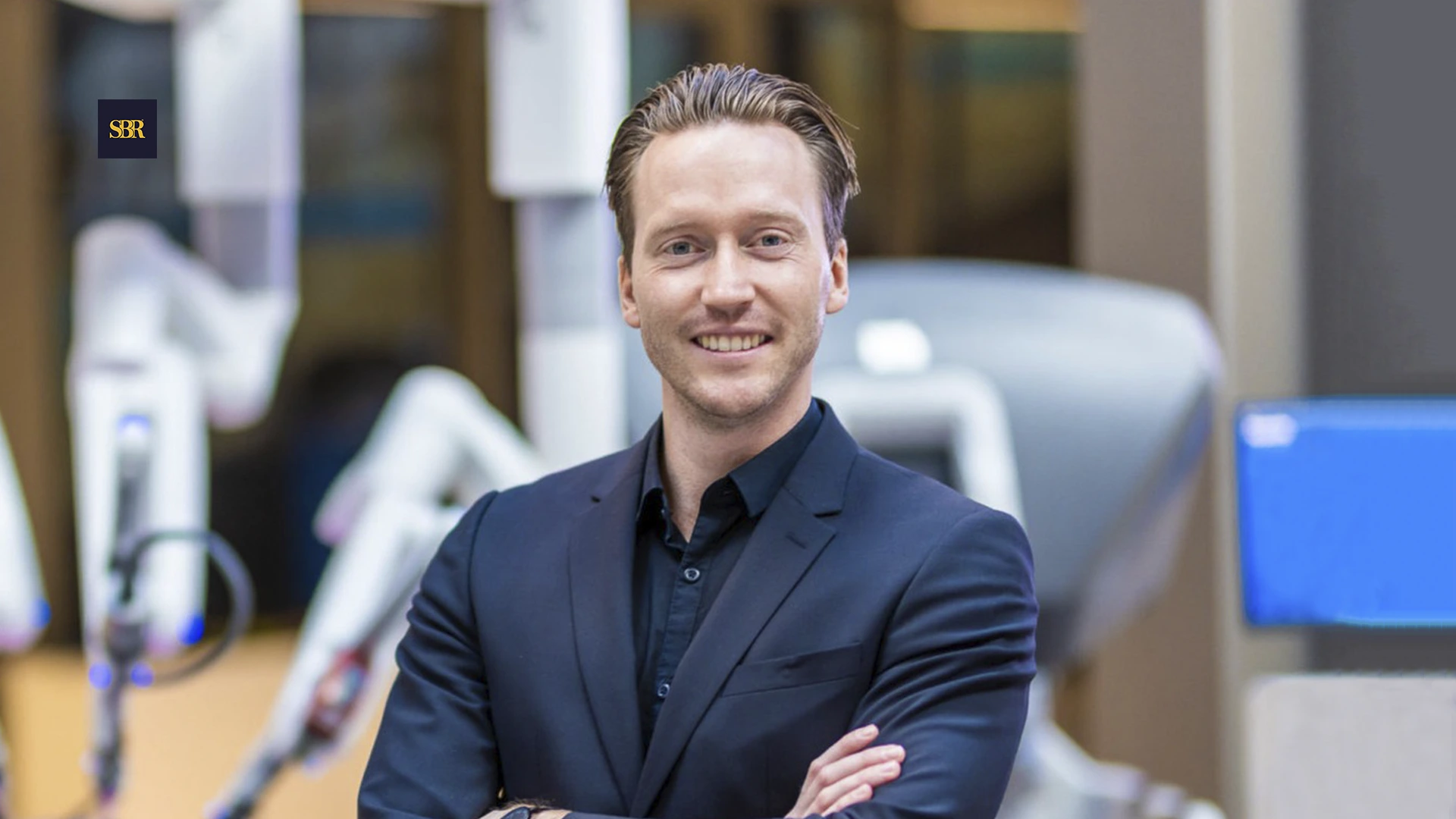
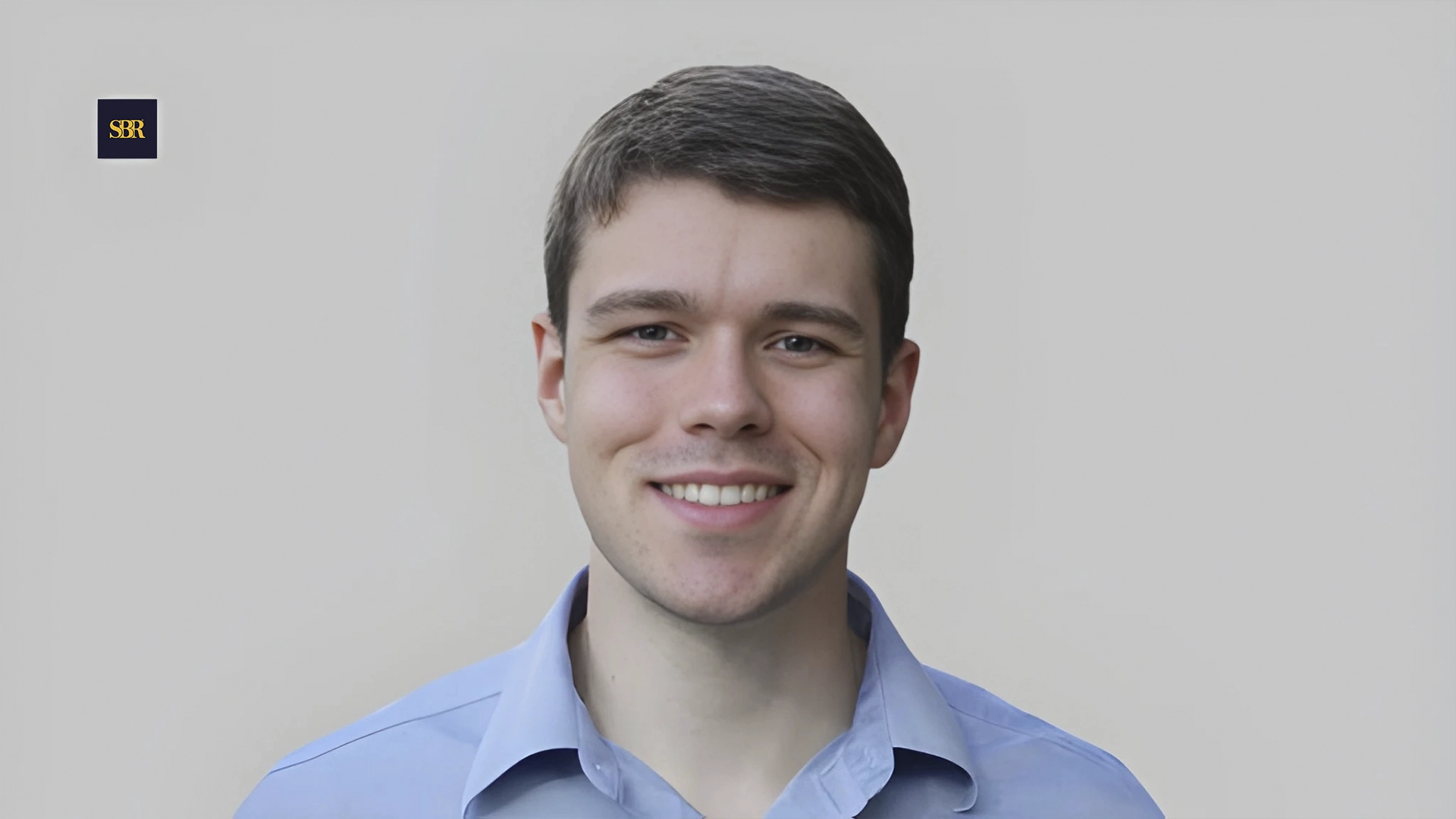
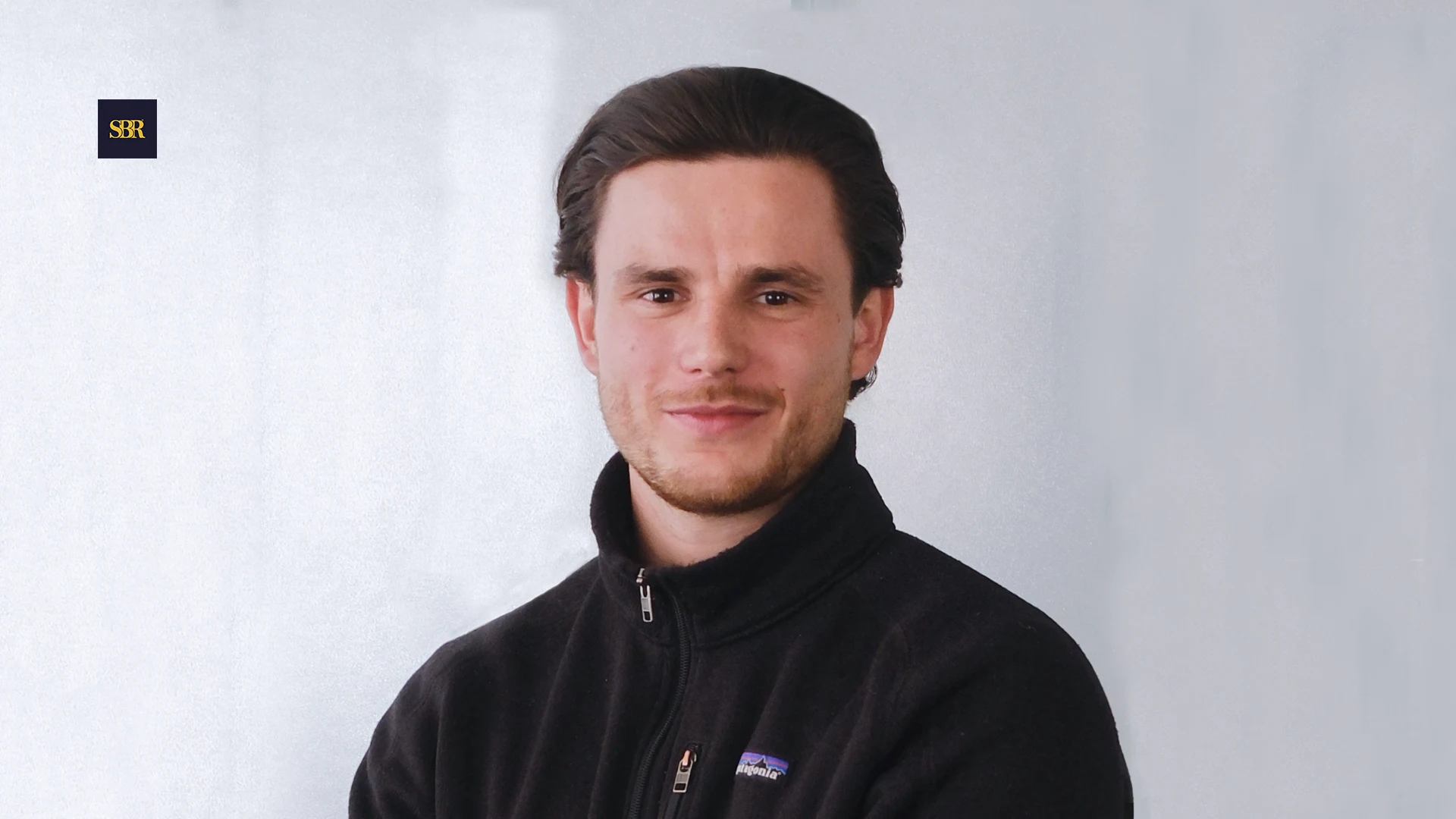
Christoff Heunis is the founder and CEO of Flux Robotics, a medical technology company developing magnetic navigation for complex vascular procedures. Heunis has a background in engineering and biomedical technology, with research experience in surgical robotics and endovascular interventions. He completed a master's degree in Mechatronic Engineering at Stellenbosch University and pursued doctoral research at the University of Twente's Surgical Robotics Laboratory.
His research has included robotic systems for endovascular surgery, including work on optical tracking of collaborative surgical robots during endovascular procedures. At Flux Robotics, Heunis leads the development of magnetic navigation technology designed to give physicians greater control over guidewire movement in difficult vascular anatomy. He has also led the company's work through preclinical development, regulatory planning and clinical partnerships as Flux progresses toward first-in-human validation.




.webp)