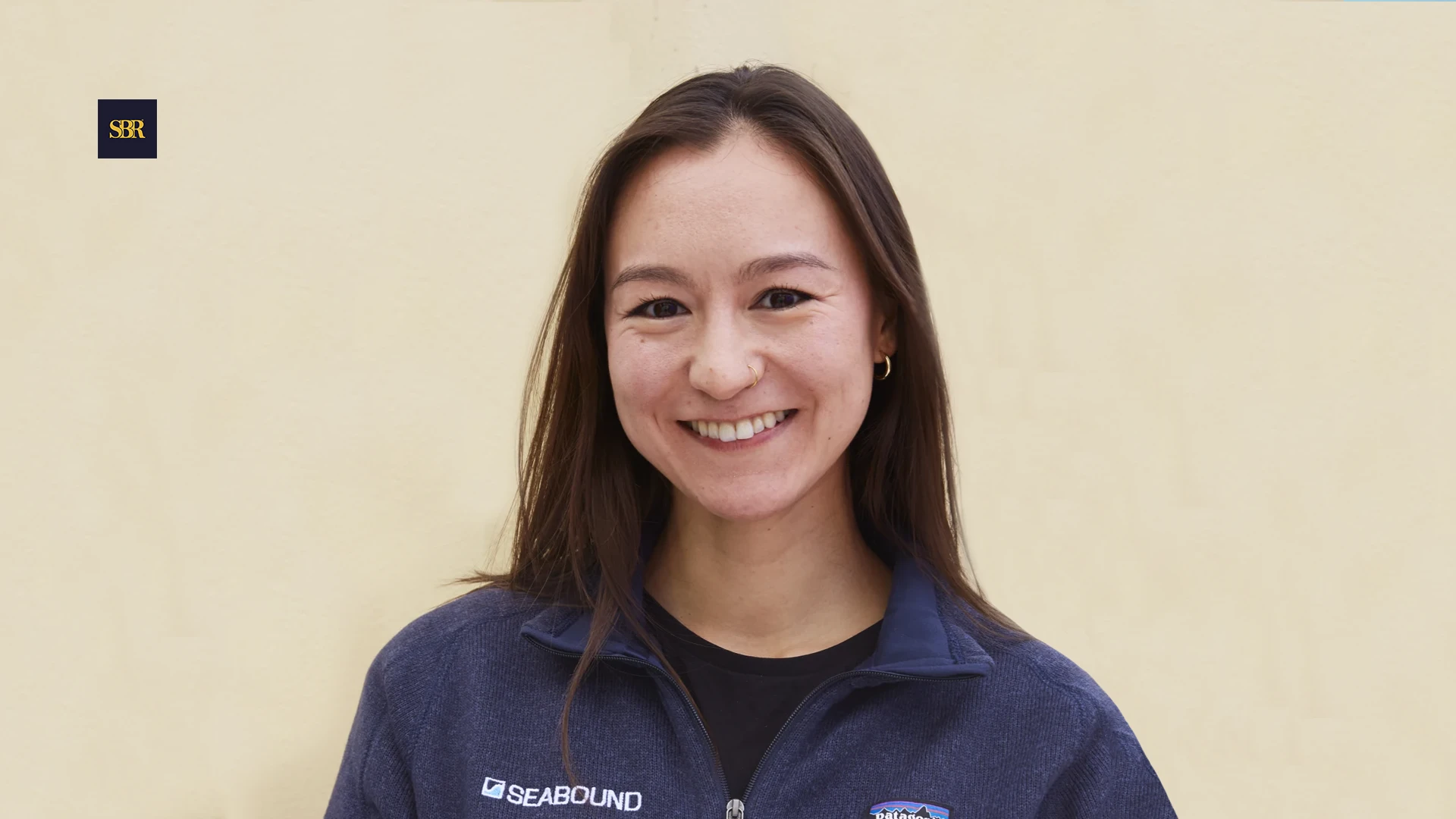
Shipping carries about 90% of the world’s trade, making it essential to the movement of goods across international markets. The sector also faces growing demands to reduce greenhouse gas emissions as new regulations, customers and shareholders call for lower-carbon shipping. For shipowners, finding viable ways to reduce emissions from existing vessels has become an important business consideration.
Seabound has developed a modular onboard carbon capture system that removes carbon dioxide directly from ship engine exhaust. The system also removes sulfur from exhaust gases. By capturing CO₂ during vessel operations, it gives shipowners a way to address emissions without waiting for an entirely new generation of fuels or vessels. Alisha Fredriksson, co-founder and CEO at Seabound, leads the company as it develops this technology for maritime use.
Capturing Carbon from Engine Exhaust
Marine engines burn fuel to generate the power needed to move ships, producing carbon dioxide as part of the process. Seabound’s system is designed to capture that CO₂ onboard before it enters the atmosphere. Its modular design is intended for commercial vessels, giving operators an option for adding carbon capture to ships that already form part of their fleets.
The company’s technology addresses a challenge faced by shipowners seeking emissions reductions today. Future fuels may offer significant reductions in maritime carbon emissions, but their production, availability and supporting infrastructure will take time to develop at scale. Fuel-efficiency measures can lower consumption, while slower sailing speeds can reduce fuel use, but these measures do not remove the carbon produced when conventional marine fuels are burned. Onboard capture deals directly with the exhaust generated by those engines.
Retrofitting Ships Already in Service
Seabound’s retrofittable system gives shipowners a way to address carbon emissions without replacing vessels or waiting for new propulsion technologies to become widely available. The system is designed to be installed on existing ships, allowing fleet operators to consider onboard carbon capture while their vessels remain in service.
This matters because commercial fleets represent long-term investments, and replacing ships solely to reduce emissions can require substantial capital and lengthy planning. A retrofit can bring carbon capture technology to vessels already operating on established routes. For shipowners seeking to reduce emissions today, Seabound offers another option that can be considered within an existing fleet rather than only during the acquisition of new vessels.
The system captures CO₂ from engine exhaust onboard the vessel, giving operators a direct means of dealing with emissions generated during voyages. Instead of relying only on changes to fuel, speed or vessel design, shipowners can add an emissions-capture system to an existing asset. This gives fleet operators another way to address regulatory requirements and customer demand for lower-carbon shipping.
Backed by Climate and Maritime Investors
Seabound has attracted investment from Lowercarbon Capital, Y Combinator, Eastern Pacific Shipping, Elemental Impact and Collaborative Fund. The investors bring experience across climate technology, entrepreneurship, maritime operations and sustainability, providing financial backing for the company’s work in onboard carbon capture.
The startup has also received recognition as an award-winning company working on maritime decarbonization. Its technology is designed around a specific operational challenge: reducing the carbon released by ships without requiring operators to wait for the full adoption of alternative propulsion systems. For fleet owners evaluating emissions-reduction options, onboard capture offers a technology that can be considered alongside fuel changes, vessel efficiency measures and future propulsion systems.
Shipowners face demands from several directions. Regulations are placing new requirements on maritime emissions, while cargo owners and other customers are paying greater attention to the carbon associated with freight transportation. Shareholders are also examining how companies address emissions and long-term sustainability requirements. These factors make carbon reduction relevant not only to environmental targets but also to fleet management and commercial relationships.
Seabound gives shipowners a way to capture carbon directly onboard their vessels. The company describes its system as proven and ready for use today, offering an option for operators that want to begin reducing emissions before alternative fuels and new propulsion technologies reach wider availability. By making its carbon capture system retrofittable, Seabound is working to give existing fleets a route toward lower-emission operations without waiting for vessel replacement.
ABOUT | ALISHA FREDRIKSSON
Alisha Fredriksson, co-founder, serves as the CEO of Seabound, a climate technology company developing onboard carbon capture systems for the maritime industry. Before founding Seabound, she helped build Liquid Wind, a maritime electro-fuel startup, and managed global partnerships at Generation, a global nonprofit founded by McKinsey & Company, where she also launched a climate program.
Fredriksson was part of the Founding Class at Minerva University and studied at Mahindra United World College of India. During her time there, she founded Seema, a social enterprise. Her work spans climate technology, maritime decarbonization, entrepreneurship, and global partnerships.






.webp)