
Water pollution remains a major challenge for industries that need to remove difficult contaminants before wastewater can be discharged or reused. Contaminated water is estimated to cost the global economy $400 billion each year, while more than 80% of industrial wastewater is discharged untreated. More than 200 emerging contaminants have also been identified since 2015, adding to the demands placed on existing treatment systems.
Traditional treatment methods can struggle with newer and more difficult contaminants. Many industrial wastewater streams contain mixtures of organic compounds, bacteria, heavy metals and other substances that require different treatment methods. The need for treatment that can address these contaminants while limiting energy use and chemical consumption has created demand for new materials and processes.
Xatoms is a Toronto-based water technology company that uses artificial intelligence and quantum chemistry to discover new photocatalytic materials for water purification. The company's platform screens potential materials computationally, predicts their performance and identifies candidates for laboratory testing. The validated materials are then developed for use in industrial water treatment systems.
Discovering New Photocatalysts
A photocatalyst is a material that uses light to trigger a chemical reaction. When exposed to light, a photocatalyst generates reactive molecules that break down contaminants in water. The contaminants are destroyed rather than simply captured or transferred to another material. The photocatalyst itself is not consumed during the reaction and can be used again after exposure to light.
Xatoms uses AI and quantum chemistry to search for these materials. Instead of testing potential materials one at a time in a laboratory, the platform can screen thousands of candidates through computational analysis before experiments begin. Xatoms says this can reduce material discovery time from years to weeks and help identify candidates with higher performance than materials found through conventional discovery methods.
From Digital Discovery to Water Treatment
Computational screening is followed by laboratory validation. Xatoms has developed a library of novel photocatalyst materials, with selected candidates synthesized and tested against real industrial contaminants. Testing under real conditions provides a way to compare computational predictions with actual treatment performance before materials are used in industrial applications.
Once validated, the photocatalysts can be deployed as a polishing step or as part of an advanced oxidation process. The systems are designed to fit into existing water treatment infrastructure without major changes. This creates a path from material discovery to industrial deployment while allowing treatment facilities to add photocatalytic treatment to existing processes.
Low-Energy Treatment for Industrial Wastewater
Xatoms' photocatalytic materials are designed to work with visible light, including sunlight and LED light. This removes the need to rely on energy-intensive ultraviolet systems and can reduce the energy required for treatment. The reusable nature of the photocatalyst also reduces the need for new treatment material during each cycle.
The system can target different contaminants based on the requirements of an individual wastewater stream. Applications include textile wastewater containing dyes and high chemical loads, mining wastewater containing contaminants such as cyanide and heavy metals, and emerging contaminants that can be difficult or expensive for conventional treatment systems to remove. Reducing chemical dosing and energy use can also lower operating costs compared with some conventional advanced oxidation processes.
From Water Innovation to Industrial Applications
Xatoms is developing photocatalytic materials for high-volume industrial wastewater applications, including textile and mining operations. The materials can target different contaminants based on the requirements of each wastewater stream. Xatoms uses its AI-assisted discovery platform to identify photocatalysts suited to specific treatment needs, giving industrial users access to treatment materials designed for the contaminants they need to remove.
The company has received recognition from the World Economic Forum, Forbes, and other organizations, with more than 40 awards worldwide. Xatoms has also raised more than $3 million and received backing from more than 20 organizations. These developments have given the Toronto-based company a platform for expanding its material discovery work and bringing new photocatalytic treatment options into industrial water systems.
ABOUT | DIANA VIRGOVICOVA
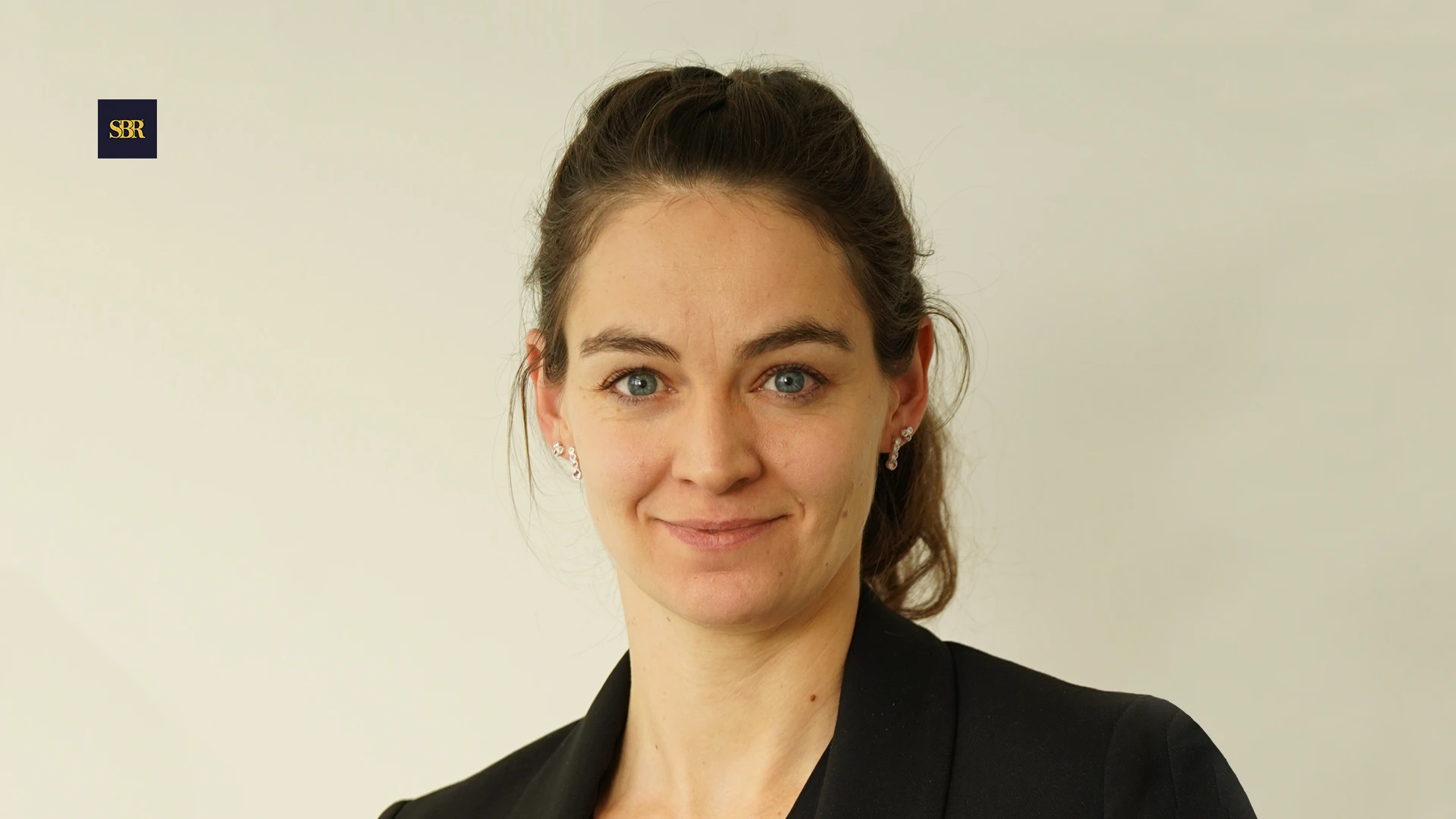
Diana Virgovicova is the founder and CEO of Xatoms, where she leads the development of AI-designed photocatalytic materials for water purification. Her work brings together artificial intelligence, quantum chemistry, and materials science to develop new ways of treating polluted water.
Virgovicova began researching water treatment after witnessing polluted rivers during a trip to India at age 14. She taught herself quantum chemistry and, at 17, used quantum chemistry models to develop a new photocatalyst designed to purify water using sunlight. The work earned her the Stockholm Junior Water Prize Diploma of Excellence and led to a Lester B. Pearson International Scholarship to study computer engineering at the University of Toronto.
She founded Xatoms in 2023 and now leads the company's strategy, partnerships and fundraising as it develops AI and quantum-based methods for discovering photocatalytic materials. Her recognition includes Forbes 30 Under 30 North America in 2025, the Clean50 Emerging Leader Award, and recognition from the World Economic Forum's UpLink program.








.webp)