Advanced manufacturing is entering a new era, with faster production, autonomous systems, and new manufacturing technology changing what can be produced and how quickly it can reach the physical world. For decades, bringing a new physical product from an idea to production has required multiple stages, specialized equipment and long production cycles. Each stage can add time between the original design and the finished part, especially when a product requires complex geometries, repeated design changes, or production at scale.
Slow production cycles and unpredictable systems can limit ambitious ideas before they become products. A design may be ready, yet production can take much longer because of tooling, equipment requirements, limited capacity, or the need to establish a new manufacturing process. Faster and more autonomous manufacturing can remove some of those limits by allowing production systems to respond to designs and changing requirements with less delay.
That shift matters most for industries where new products depend on advanced physical components. Aerospace, defense, automotive, robotics and advanced energy all require parts that can meet demanding specifications while moving from development to production within tight schedules. When manufacturing can respond faster, companies can test more ideas, make design changes sooner and bring successful products into production without waiting through long production cycles.
A manufacturing system that operates much closer to the pace of human ideation can give companies more room to develop new products and designs. Ideas that once required long development and production timelines can move toward physical production much faster. This creates room for new products, new designs, and new forms of production that may not have been possible under traditional manufacturing constraints.
Freeform is a manufacturing technology company that develops AI-native manufacturing systems for industrial-scale production. It develops tools for designing, producing, and scaling complex hardware. The company's work centers on additive manufacturing and production systems that can move parts from concept to industrial-scale production.
Freeform develops its hardware and software in-house. This allows the different parts of the manufacturing system to be developed together. The systems are tested and improved through real production work and actual products. This links technology development with the needs of manufacturers and the parts they need to produce.
From Concept to Production
Freeform offers its manufacturing capabilities through a Factory-as-a-Service model. The service is designed for programs that require precision, speed, and flexibility. Customers can access advanced manufacturing without buying machinery, hiring production staff, or building new infrastructure. The model also removes the need for upfront capital expenditure.
Freeform’s production system is built for programs where designs and production needs can change. Designs can be updated during production, production volume can be increased when demand grows, and programs can be changed within days. Companies can make these changes without rebuilding their production setup. The service also reduces the need for traditional tooling and long production ramp-up periods.
Physical AI for Manufacturing
Freeform treats software, hardware, and physics as parts of one manufacturing process. Software handles digital information and production instructions. Hardware carries out the physical work. Physics determines how materials behave during production. Connecting these elements allows Freeform to develop manufacturing systems that can produce complex parts while keeping design and production closely linked.
This work is part of Freeform's focus on Physical AI. The company is developing technology to address fundamental production challenges and bring physical manufacturing closer to the speed of human ideas. Freeform brings together engineers, systems builders, and creative problem-solvers from different fields. The company places importance on first-principles thinking, broad technical expertise, collaboration and low-ego work.
Production for Demanding Industries
Freeform is shipping thousands of mission-critical parts for aerospace, defense and automotive applications. Its manufacturing capabilities also serve aviation, advanced energy and robotics. These industries require parts that meet demanding specifications and production systems that can respond when designs, quantities or program requirements change.
Freeform has attracted investment from Founders Fund, NVIDIA's NVentures, Threshold Ventures, Two Sigma Ventures, Linse Capital, 8VC and Valor, among others. The company was named to Fast Company's 2026 list of the World's Most Innovative Companies. In February 2026, Freeform announced a $67 million Series B. In July 2026, the company received a Department of War Defense Innovation Unit contract for adaptive space manufacturing and integration at scale. These developments give Freeform a base for expanding its manufacturing technology and bringing Physical AI into more industrial production programs.
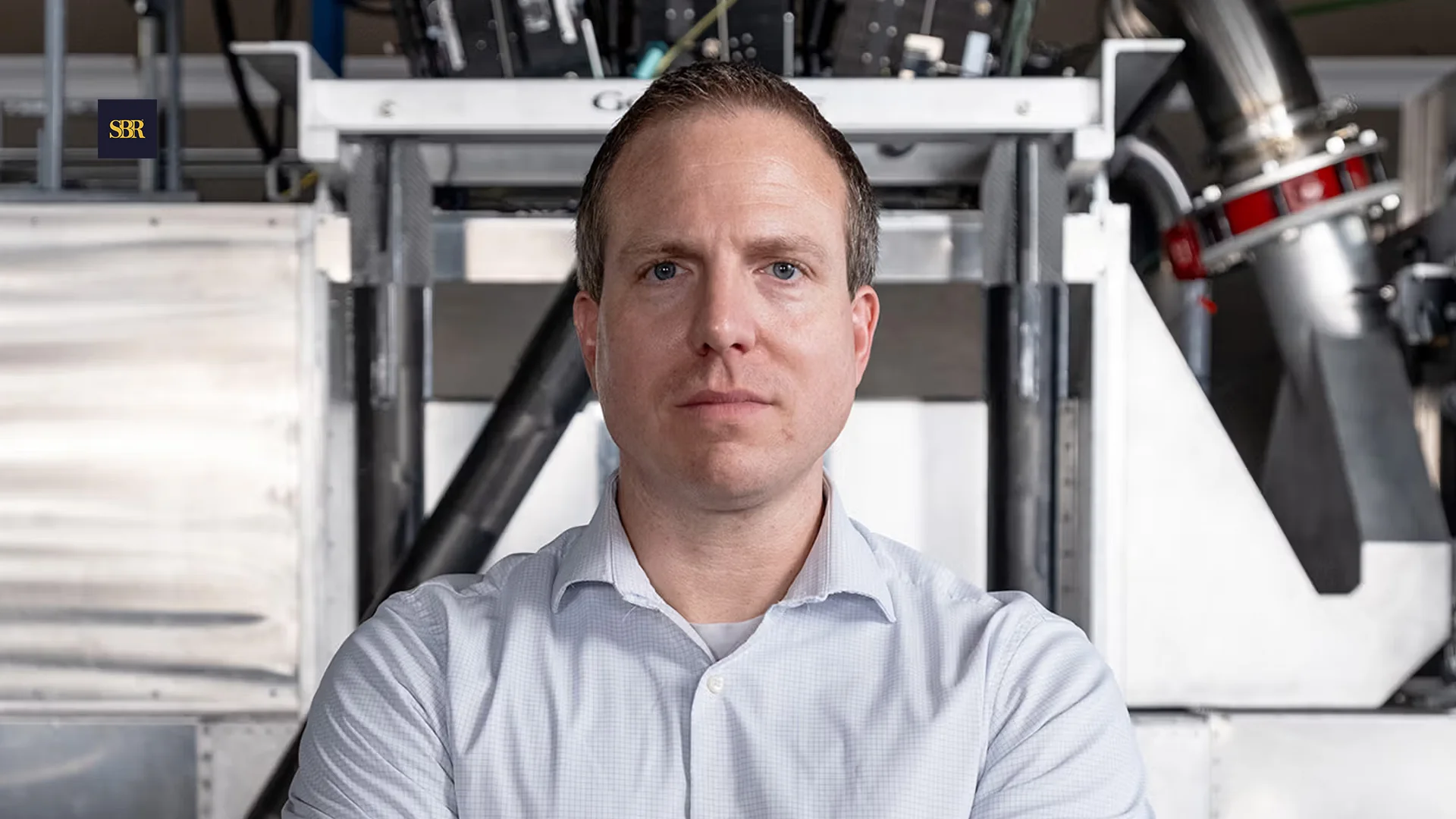
ABOUT | ERIK PALITSCH
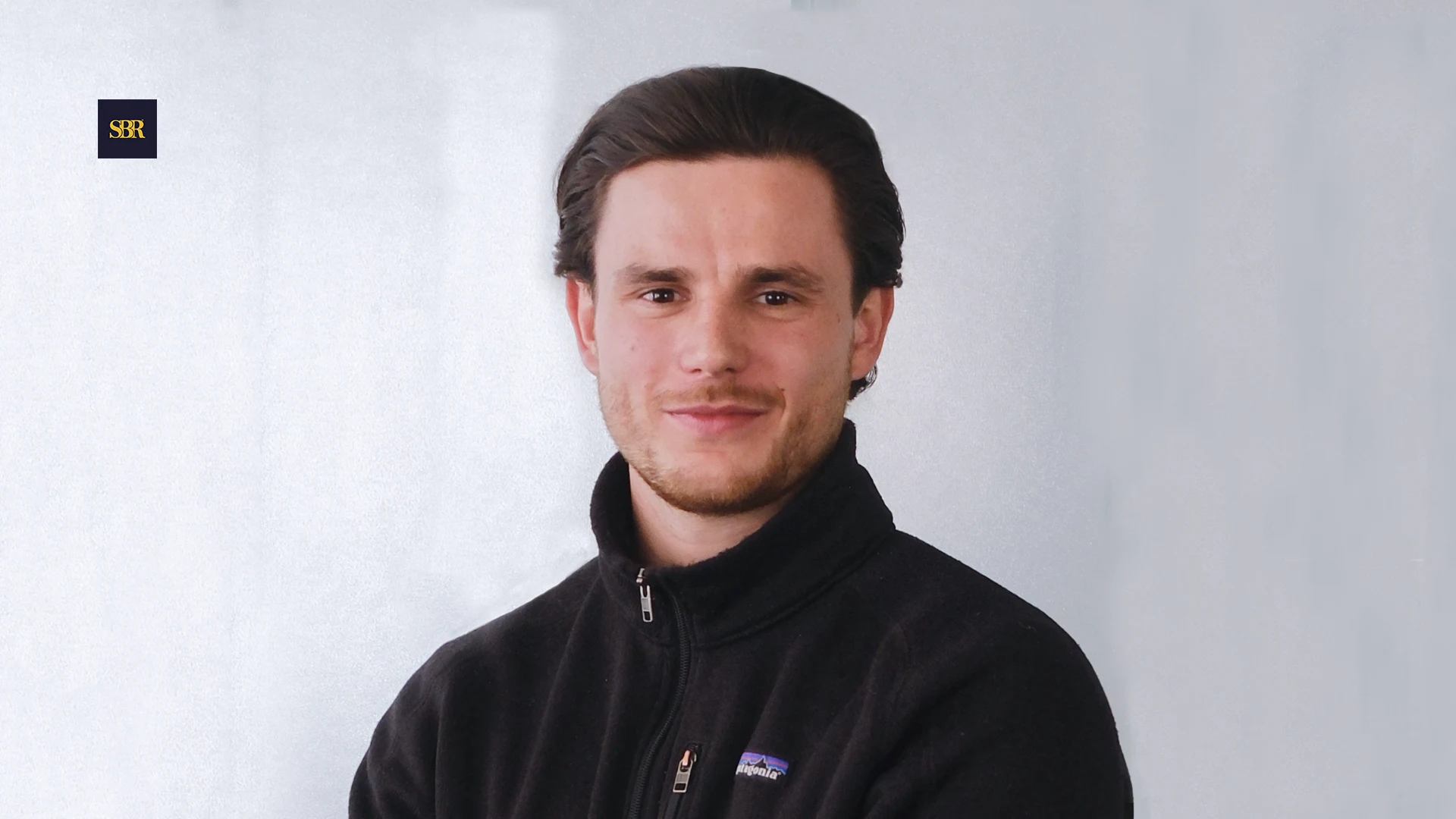
Erik Palitsch is co-founder and CEO of Freeform, where he leads the development of AI-native manufacturing systems for industrial-scale production. Before founding Freeform, Palitsch spent more than a decade at SpaceX, where he worked on rocket propulsion and managed programs including the Merlin and Raptor engines.
Palitsch co-founded Freeform in 2018 after seeing the limits of conventional manufacturing while working on advanced aerospace hardware. At Freeform, he has led the development of autonomous manufacturing systems that use computing, sensors, software, and machine learning to monitor and control metal formation during production. His work has helped establish Freeform’s manufacturing platform around Physical AI and its production services for aerospace, defense, aviation, advanced energy, automotive, and robotics.






.webp)