NEW YORK, Feb. 18, 2026 — Food companies are revamping product lines as weight loss drugs alter how Americans eat, forcing manufacturers to rethink portion sizes, ingredients and branding across grocery aisles.
Medications such as Ozempic and Wegovy reduce appetite for many users, leading households to buy smaller quantities of snacks and packaged foods. Internal sales data show changes in basket composition, with consumers favouring higher protein and lower calorie options while trimming indulgent items.
Pharmaceutical companies including Novo Nordisk and Eli Lilly have expanded production as prescriptions climb. Wider access is prompting food manufacturers to consider how sustained use of these drugs could reshape long term consumption.
Portion Sizes Come Under Review
For decades, large family-sized packs and value bundles drove volume growth for snack and packaged food companies. That model faces pressure as some consumers report feeling full faster and eating less overall.
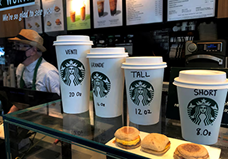
Several manufacturers are testing smaller pack sizes that match reduced appetites. Single serve and right sized formats are appearing alongside traditional bulk offerings to better align with changing habits. Retailers in regions with high prescription rates report modest declines in some indulgent categories, reflecting shifts beyond typical demographic and economic factors.

Reformulation and Nutritional Claims
Alongside portion changes, food companies are reformulating products to meet evolving preferences. Increased protein content, reduced sugar and more prominent nutritional labeling are becoming priorities for research and development teams.
Ingredient Adjustments for Satiety: Consumers taking weight loss drugs often prioritize satiety and nutrient density, which has encouraged manufacturers to explore ingredients that satisfy hunger without adding excessive calories. Protein enhancements, fiber additions and sugar reduction are common strategies, aimed at delivering flavor while meeting new dietary priorities.
Marketing and Labeling Shifts: Advertising and packaging have also changed to reflect evolving preferences. Campaigns that once emphasized indulgence now highlight balance, portion control and nutrient benefits. Front-of-pack labeling draws attention to protein content and calorie count, while marketing campaigns are segmented to appeal to both medicated and non-medicated shoppers. Brand managers say the goal is to maintain familiarity for loyal customers while signaling alignment with changing eating habits.
Brand loyalty remains an advantage for many companies. Even when households reduce overall intake, they often continue buying familiar products, giving manufacturers room to adapt without losing market share.
Investors Track Consumption Trends
Financial markets are monitoring how obesity drug adoption influences food demand. Analysts model different adoption scenarios to project potential revenue effects across snacks, confectionery and frozen meals.
Shares of major packaged food companies have reacted at times to prescription data and earnings commentary related to GLP 1 use. Analysts note that premium and health-oriented brands may benefit as consumers focus on quality over quantity, while products reliant on impulse purchases could face slower growth.
Executives caution that not all consumers qualify for or continue weight loss treatments, and dietary habits are shaped by income, culture and routine. Even so, the prospect of millions moderating intake has prompted board level discussions about portfolio resilience.
Retail Shelves Reflect New Patterns
Grocery chains are adjusting assortments in response to changing shopping behavior. Smaller packs and high protein items are receiving more shelf space, while slow moving bulk snack formats are being reviewed.
Some consumers on GLP 1 drugs shop more frequently but spend less per visit, favouring fresh foods and smaller quantities. That behavior affects inventory planning, promotional calendars and private label strategy. Public health experts say that if medication use remains widespread, demand may shift structurally rather than temporarily, tempering volume growth for high calorie processed foods while increasing interest in nutrient dense options.
Food companies are balancing investment in new formats and reformulations with maintaining profitable legacy lines. Spending on rebrands, packaging updates and product adjustments reflects a belief that the shift in consumer behavior is not temporary.
As prescriptions for obesity treatments continue to expand, packaged food makers are recalibrating portfolios to reflect changing appetites. Companies that once relied on supersized portions are now experimenting with restraint, betting that early adaptation will help them remain relevant in a marketplace shaped by pharmaceutical innovation.
Alongside portion changes, food companies are reformulating products to meet evolving preferences. Increased protein content, reduced sugar and more prominent nutritional labeling are becoming priorities for research and development teams.