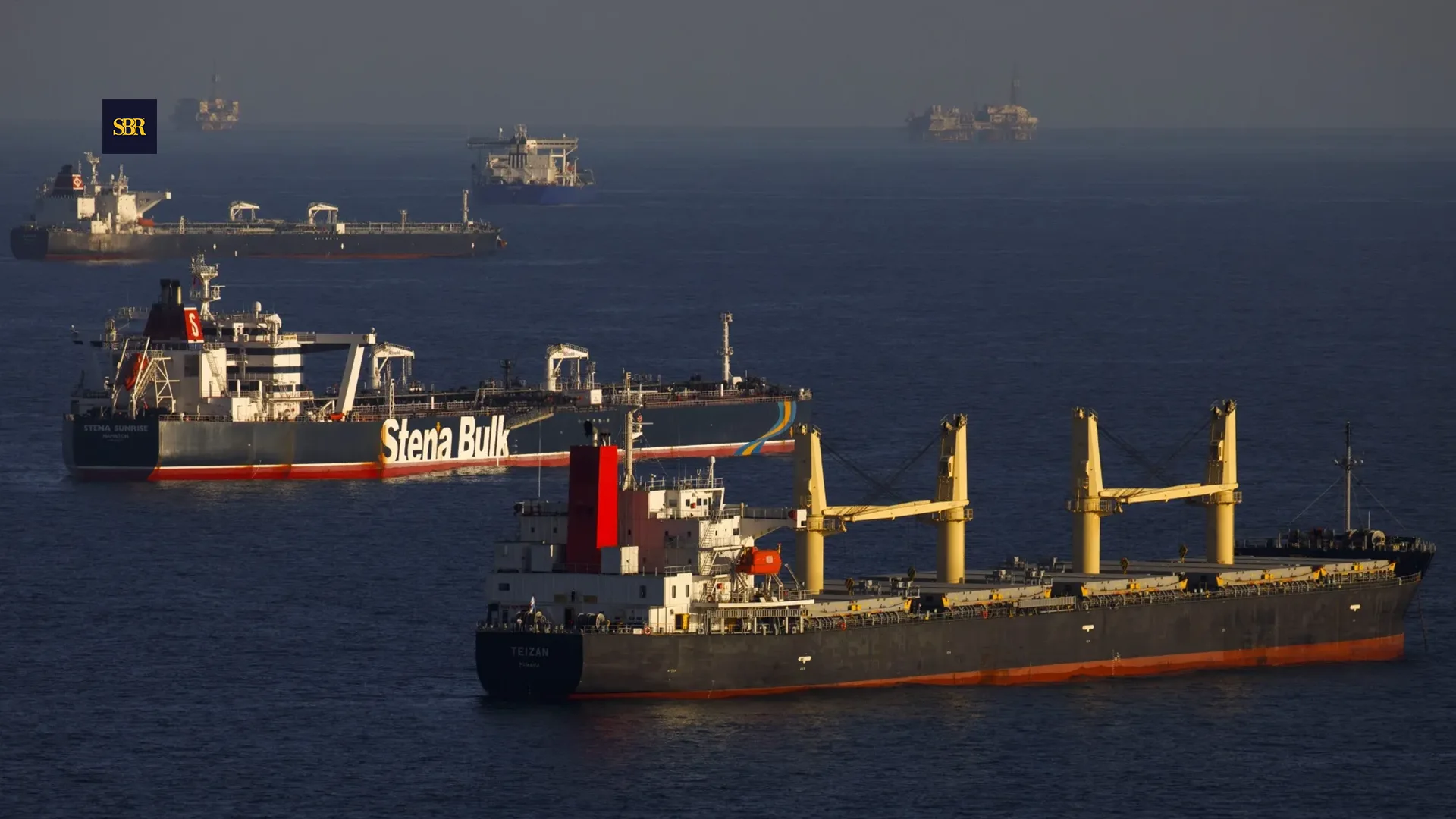
SINGAPORE, March 6, 2026 — Disruption to tanker traffic in the Gulf, driven by escalating conflict involving Iran, pushed oil prices higher as traders weighed the risk to shipments through the Strait of Hormuz. Brent and U.S. crude futures moved higher as traders assessed the risk that shipping interruptions could persist if fighting expands.
Market participants said the latest developments added to uncertainty that has built over several days of military exchanges in the region. Vessel traffic near the Strait of Hormuz slowed, and several tankers altered course as insurers reassessed coverage for the waterway. The strait handles roughly one fifth of global oil trade, making it a focal point for energy markets whenever tensions rise.
Gulf Maritime Traffic Snarled by Escalating Conflict
Tanker Movements Disrupted Near the Strait of Hormuz: Shipping through the Strait of Hormuz slowed as the confrontation intensified, with vessels waiting offshore or adjusting routes to avoid potential danger zones. Ship tracking data showed increased congestion near key entry and exit points, and some carriers reported delays in loading schedules at Gulf ports.
Insurance providers reviewed war risk policies covering transit through the area, prompting higher freight costs and greater caution among shipowners. Traders said even temporary uncertainty can affect flow patterns because shipping firms often prioritize safety assessments before committing tankers to sensitive waters.
Energy analysts noted that the Strait of Hormuz remains one of the most significant transit routes for global crude shipments. Any sustained interruption could limit export volumes from Gulf producers and shift trade flows, although such changes would take time and could involve additional logistical costs.
Security Concerns Heighten Market Sensitivity: Military activity across parts of the Gulf further increased market attention on maritime security. Reports of missile and drone exchanges contributed to caution among shipping operators, and naval patrols expanded in some areas to help protect commercial traffic.
Officials and industry representatives emphasized the importance of keeping shipping lanes open to maintain stable energy distribution. Market participants said that confidence in safe passage is essential for uninterrupted crude deliveries, particularly for refiners in Asia that depend heavily on Middle Eastern supplies.

Prices Surge as Supply Fears Intensify
Crude futures advanced more than three percent during the session, extending gains from earlier in the week. Brent traded near recent highs while U.S. West Texas Intermediate also moved upward as investors priced in geopolitical risk tied to the widening conflict.
Traders said oil markets have incorporated a premium reflecting concerns about potential disruptions to production and transportation. The Strait of Hormuz plays a critical role in global energy trade, and its location magnifies the effect of any threat to normal operations.
Some refiners in Asia began evaluating alternative sources of supply as they monitored developments in the Gulf. Analysts said sustained interruptions could tighten regional balances, although spare capacity in other producing regions may help offset shortfalls if needed.
Broader Supply Chain Repercussions Emerge
Freight rates for tankers increased as carriers responded to heightened risk, and insurance premiums also climbed. Shipping companies said they are reviewing contingency plans while tracking conditions in real time to determine when normal transit patterns might resume.
Energy market volatility extended beyond crude contracts, influencing related sectors such as fuel products and transportation stocks. Economists said prolonged higher oil prices could affect inflation expectations and consumer costs, depending on how long supply conditions remain strained.
Governments and energy companies continue to monitor the situation closely, with security measures in place to protect maritime corridors. Market participants said stability in Gulf shipping would be necessary to ease price pressures and reduce uncertainty across global energy markets.
Market Volatility Spreads Beyond Energy
The conflict has contributed to broader swings in financial markets as investors reassess risk exposure. Currency and equity traders followed oil movements closely because energy costs can influence corporate earnings and economic growth forecasts.
Analysts said developments in the Gulf will likely remain a key driver of market sentiment in the coming days. As long as tensions persist and shipping faces disruption, oil prices may continue to react quickly to new information from the region.
Military activity across parts of the Gulf further increased market attention on maritime security. Reports of missile and drone exchanges contributed to caution among shipping operators, and naval patrols expanded in some areas to help protect commercial traffic.






.webp)