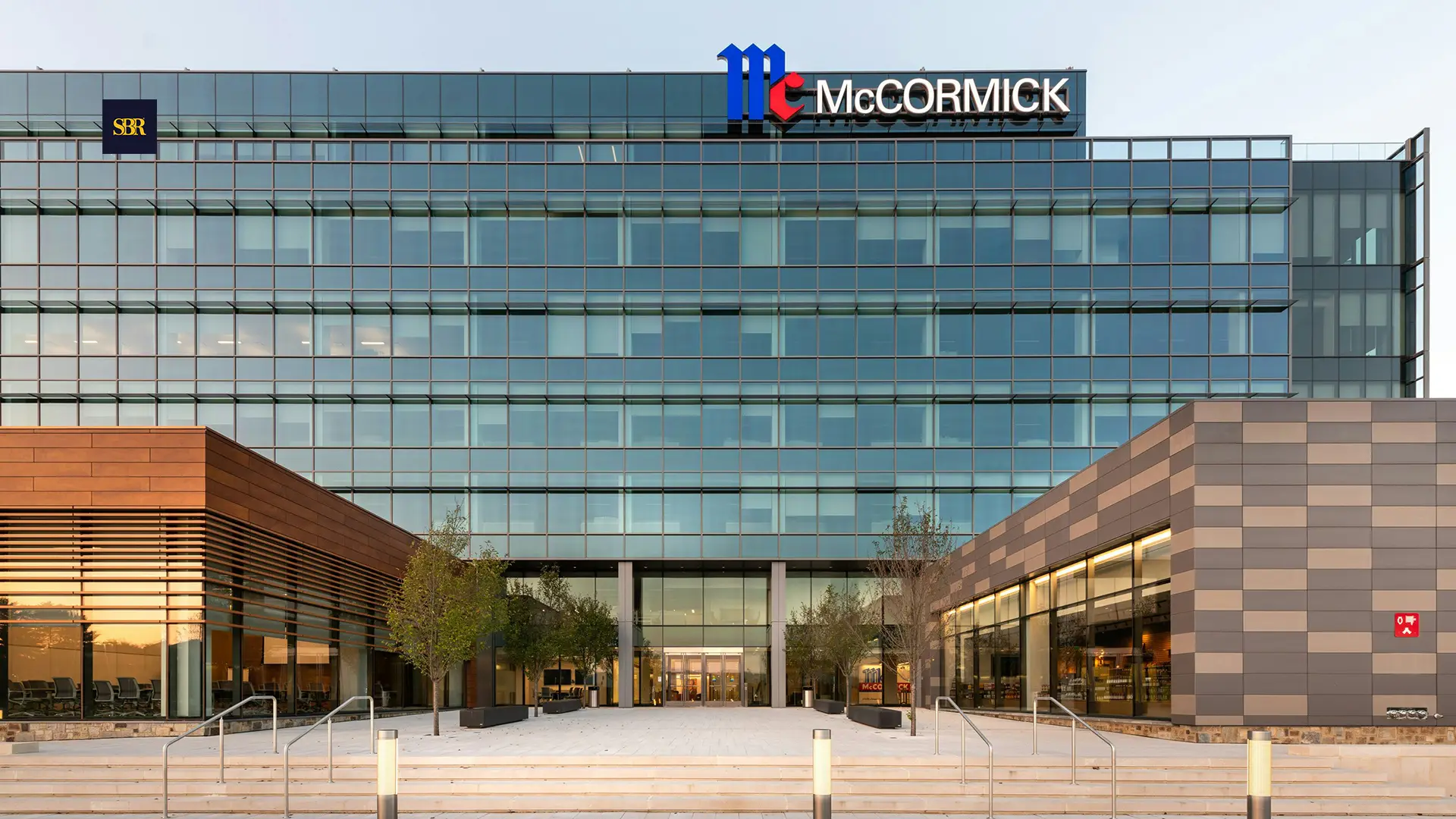
LONDON / HUNT VALLEY, Md., March 20, 2026 —The British-Dutch consumer goods giant Unilever is exploring a possible deal to transfer its global food division to U.S. spice and seasoning maker McCormick & Company as it shifts emphasis toward personal care and household products. Discussions remain ongoing and no agreement has been finalized, with both sides providing limited details amid investor and market reactions that show differing views on the potential transaction.
Unilever confirmed on March 20 that it received an offer from McCormick for its foods business, which includes well-known brands such as Hellmann’s mayonnaise and Knorr bouillon cubes. The discussions are ongoing and financial terms have not been disclosed, leaving analysts and shareholders to speculate on how a transaction might be structured and what it could mean for both companies.
Unilever’s food division accounted for about one quarter of the company’s total sales in 2025, generating more than 12.9 billion euros in revenue. Slower growth in the food business has drawn scrutiny, even as iconic brands in that unit remain household names around the world.
Strategic Shift at Unilever
Unilever is shifting its focus to faster-growing areas, placing greater emphasis on personal care, beauty, and household products. The company’s leadership has signaled that the food division, while profitable, no longer fits the growth trajectory they are pursuing. Spinning off its ice cream business last year marked the first step in a broader reshaping of Unilever’s portfolio.
Refocusing on Growth Segments: The shift reflects changing consumer habits and market trends. Products in personal care and household categories have shown higher demand and stronger margins, attracting investment and managerial attention. Executives see these areas as offering greater opportunities for global expansion, innovation, and brand loyalty compared with traditional food products.
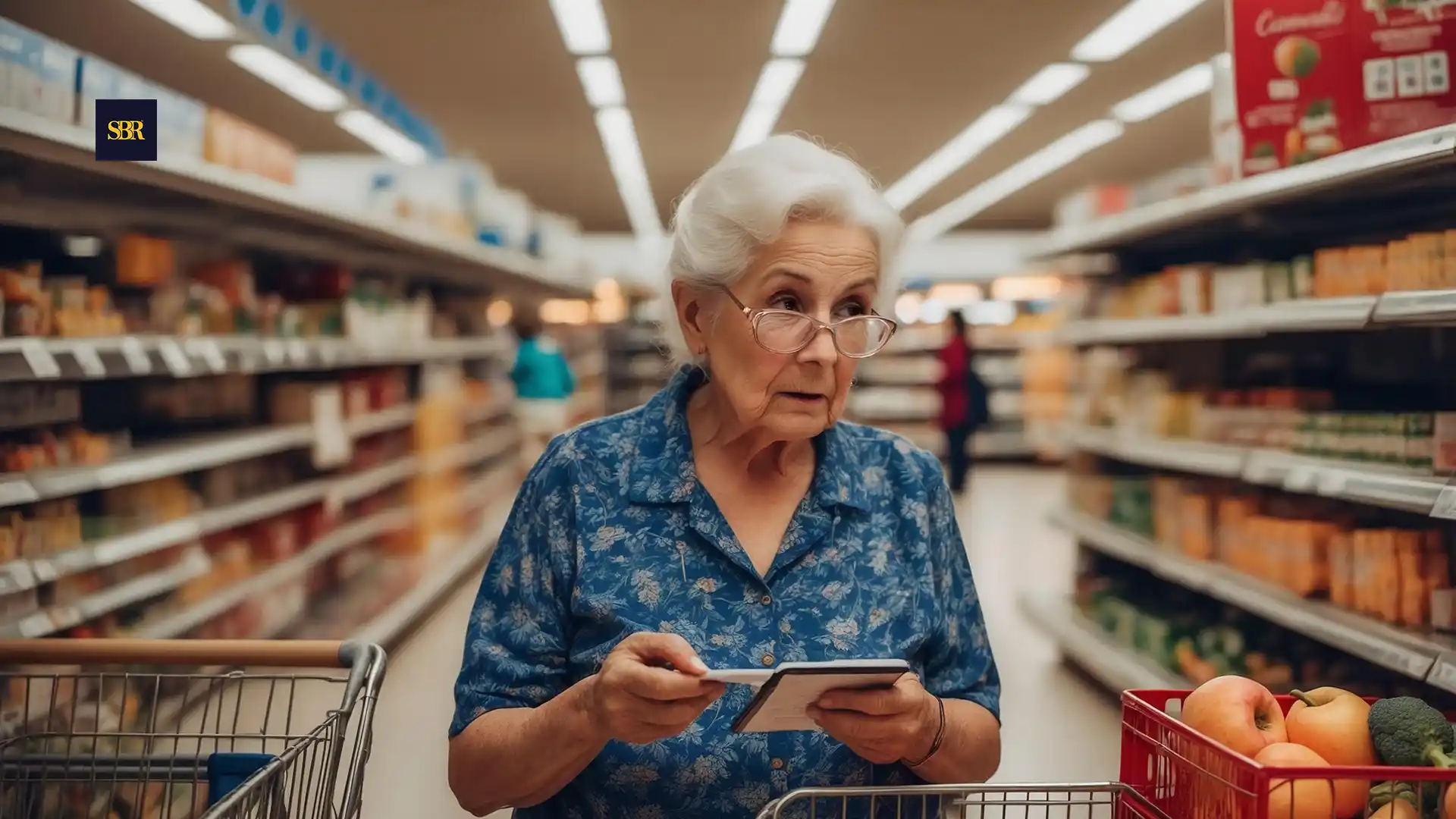
Reassessing the Food Business: Unilever’s food unit continues to contribute significant revenue, but growth has slowed due to health-conscious eating trends and changing consumer preferences. The company is exploring options to reduce its stake or restructure the division, aiming to allow management to devote more resources to segments that deliver faster returns. Analysts view this reassessment as part of a larger strategy to simplify operations while targeting areas with long-term potential.
Market Reaction and Valuation Questions
Financial markets reacted in mixed fashion to news of the talks. McCormick’s shares slid as much as 2.6 percent, reaching levels not seen since mid-2018, while Unilever’s stock ticked upward slightly following recent declines tied to speculation about its food assets.
Analysts note that the potential buyer is significantly smaller than the unit it is considering. Estimates peg the enterprise value of Unilever’s food division at between 28 billion euros and 31 billion euros, while McCormick’s market capitalization sits near $14.5 billion, a gap that raises questions about how financing might be arranged and whether shareholders of both companies will benefit.
Some industry observers have pointed to possible structures such as a Reverse Morris Trust, in which Unilever could spin off its food business and then merge that unit with McCormick in a tax-efficient way, possibly allowing Unilever shareholders to retain a stake in the combined enterprise.
Broader Context for the Food Sector
A broader backdrop colors the talks between Unilever and McCormick. Globally, consumer goods companies have been reassessing their portfolios as they contend with shifting consumer preferences, including a notable move away from highly processed foods toward alternatives perceived as healthier, and ongoing cost pressures tied to tariffs and energy prices.
The potential deal with McCormick follows a period in which Unilever explored other options for its food business, including earlier discussions with other industry players that did not lead to a transaction. These developments underscore how major companies in the sector are rethinking how best to allocate capital and focus efforts on brands and categories that generate higher returns.
Uncertainty Ahead
While talks are underway, there is no guarantee an agreement will be reached. Both Unilever and McCormick have reiterated that negotiations are at an early stage, and either side could decide not to proceed as discussions evolve. Investors are watching closely, understanding that the outcome could reshape Unilever’s business profile and alter competitive dynamics in the global food and consumer goods markets.
Even without a concluded deal, the news has prompted debate over the merits of a smaller company taking on a much larger division and whether such a transaction would deliver value to shareholders on both sides. Questions about integration challenges and future growth prospects remain central to those considerations, and any final terms could reflect a complex balance of strategic priorities and financial engineering.
Unilever’s decision on its food division will also be watched by competitors and market participants alike, with the company’s next moves potentially setting a tone for how large multinational consumer goods firms respond to changing demand and the constant search for profitable growth.
As negotiation continues, the business world will be looking for further updates in the coming weeks, with particular attention on valuations, deal structure, and regulatory considerations that could influence whether a transaction reaches completion.
Unilever’s food unit continues to contribute significant revenue, but growth has slowed due to health-conscious eating trends and changing consumer preferences.




.webp)