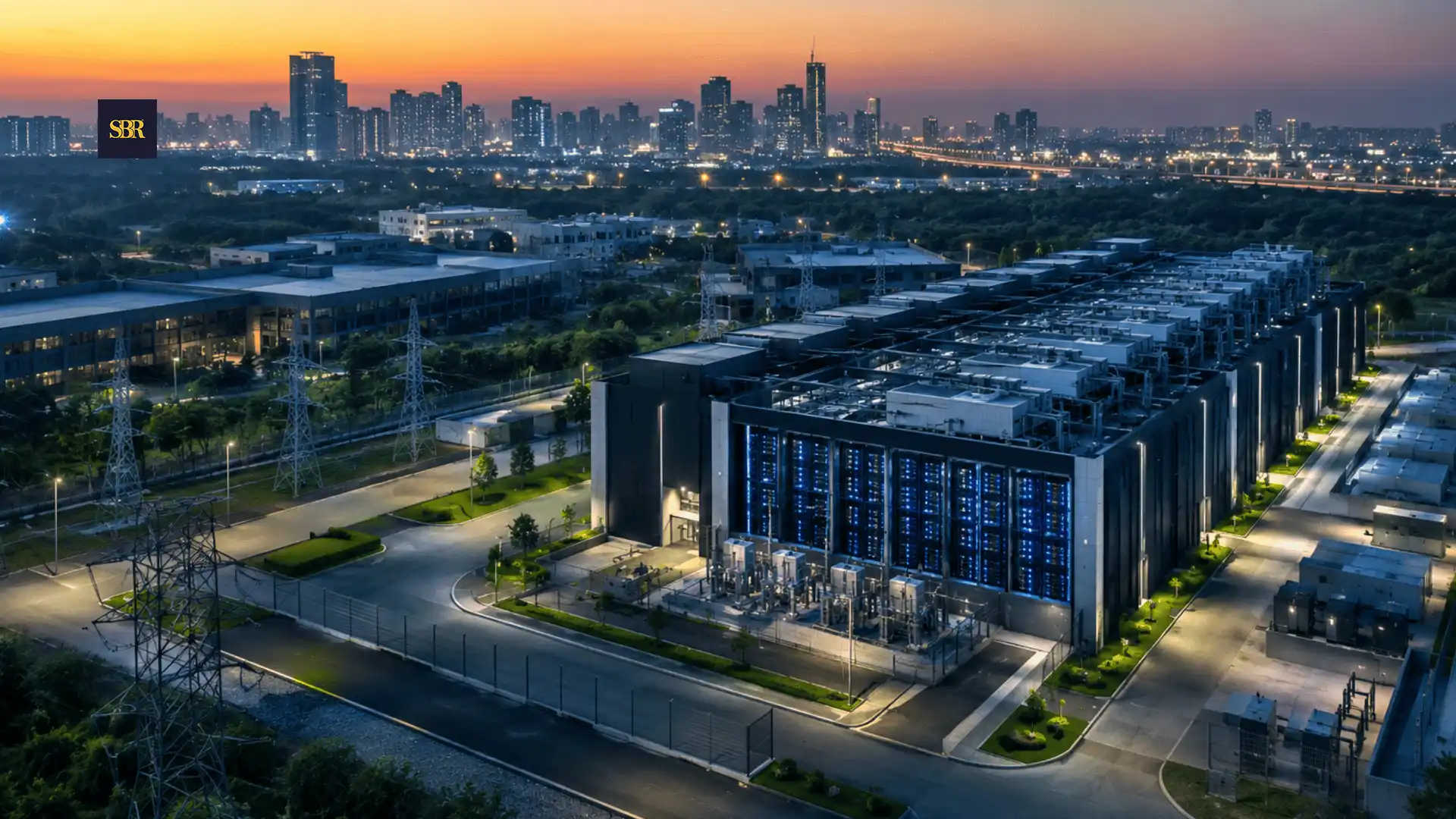
WASHINGTON, Oct. 14, 2026 — Data centers are attracting substantial investment as artificial intelligence applications require more computing infrastructure. Investment firms are expanding public-market access to data center assets and exploring new opportunities for individual investors. However, community opposition, regulatory hurdles, financing costs, and uncertainty over future returns pose significant risks for the sector.
Blackstone Digital Infrastructure Trust (BXDC), a real estate investment trust (REIT) listed on the New York Stock Exchange, gives public-market investors access to established data center properties. Other investment firms are exploring similar offerings, but demand for computing infrastructure does not guarantee profitable returns. Investors must weigh property valuations, financing costs, electricity availability, tenant concentration, and restrictions on withdrawing their money. The figures and reporting in this article are drawn from CNBC’s coverage.
Public REITs Face Scrutiny
Blackstone launched BXDC in mid-May, selling 87.5 million shares at $20 each. The shares subsequently fell below $17, leaving the trust down roughly 16% from its debut. BXDC targets established data center markets, including Northern Virginia and Dallas, rather than relying exclusively on new construction. Chief Executive Nick Pell explained the investment thesis in an interview: “We saw this as an opportunity to capture the whole market of stabilized data centers and build a home in the public market where we think it belongs.”
Blackstone has estimated a $300 billion market for the assets it targets. During an earnings call, Pell described the longer-term opportunity as “massive, with a total addressable market for our business expected to eclipse $1 trillion over the next several years.” At the time covered in the reporting, BXDC had not yet deployed capital into investments. Equinix and Digital Realty Trust also give public-market investors access to data center properties. Although these REITs had performed well over the longer term, trading had stalled following BXDC’s launch. Higher interest rates and bond yields can weigh on REITs by increasing borrowing costs and making income-producing stocks less attractive relative to fixed-income investments.
Despite performing better earlier in the year than REITs typically do during periods of rising rates, the sector experienced a selloff from August onward. Blue Owl, which operates a private digital infrastructure fund, has reportedly considered launching a public REIT valued at as much as $6.5 billion. The firm has more than 130 data centers across 32 global markets and over $18 billion in assets. Brookfield has also entered the public market through data center services provider Csquare, whose shares declined close to 16% after its July listing.

Political Opposition Threatens Projects
Public resistance has emerged as a significant obstacle for data center developers. Gallup polling found that 70% of Americans oppose having a data center built in their area, while another survey cited in the reporting found roughly two-thirds of respondents opposed to nearby projects. New York imposed a moratorium on new approvals for hyperscale data centers in July.
Texas followed in August, when Gov. Greg Abbott ordered a halt to new approvals after previously calling the state the AI “epicenter” and calling for an audit of grid connections. Such opposition and regulatory restrictions can delay construction, complicate permitting, and put planned projects at risk. Project-level setbacks offer another indication of the difficulties facing the sector. Oracle shares fell 4% in late September after the company issued a force majeure notice connected to Project Jupiter, a New Mexico data center campus within the broader Stargate AI buildout, with Blue Owl involved in the project.
Oracle is seeking to defer payments if the campus is not operational by 2028, citing regulatory hurdles and local opposition, although the project has been described as remaining on schedule. Similar difficulties have surfaced outside the United States. An Australian data center company backed by Nvidia and Blackstone withdrew its planned initial public offering after investor interest fell short of expectations. For investors, opposition from residents and regulators can affect project timelines, financing needs, and the expected returns on capital committed to new developments.
Data Center Risks Challenge Investors
Data centers require substantial capital, reliable electricity, cooling systems, and network infrastructure. Their financial performance also depends on maintaining uptime and meeting contractual service commitments. Patrick Datz identified one category of operational exposure: “From a non-market danger standpoint, natural disasters, ‘the Act of God’ that you have no control of.” He added, “There is always that danger of the asset being taken offline.”
Rachel Nixon warned of the consequences of service interruptions: “If the uptime goes down, just not having the uptime they have promised, whoever their contract is with can create other problems down the line. There are a lot of risks.” Outages can disrupt service delivery and strain contractual relationships, while repairs, equipment replacement, and insurance can add to operating expenses. Datz also expressed confidence in the sector’s risk review and construction practices. “We are big believers in the space,” he said. “A lot of thought is going into the design, this isn’t an overnight build, and the insurance carriers involved are not risk takers, they will play it safe.”
Other exposures include construction delays, refinancing needs, equipment obsolescence, and the cost of upgrading systems as computing requirements change. Sabur Mollah, a finance professor at Gettysburg College, outlined the income potential alongside the risks: “High-quality facilities may generate relatively stable rental income through long-term lease agreements with large technology companies.” Mollah also identified the risks: “The key risks include overvaluation driven by excessive enthusiasm surrounding AI, substantial development and maintenance costs, dependence on a limited number of major technology tenants, and constraints on power availability.” Ultimately, demand alone cannot determine a data center’s financial performance. Electricity access, maintenance expenses, tenant concentration, and asset valuations also affect potential returns.

Photo credit: WSJ
Retail Investors Face Liquidity Limits
Interest in AI infrastructure has also reached prediction markets. On Kalshi, traders assigned a 75% probability to the number of planned or operating data centers in the United States exceeding 5,100 before 2027, compared with roughly 4,700 at the time. The probability had increased from 60% two weeks earlier. These expectations point to continued interest in data center construction, but forecasts do not guarantee that projects will be completed, attract tenants, or generate anticipated returns.
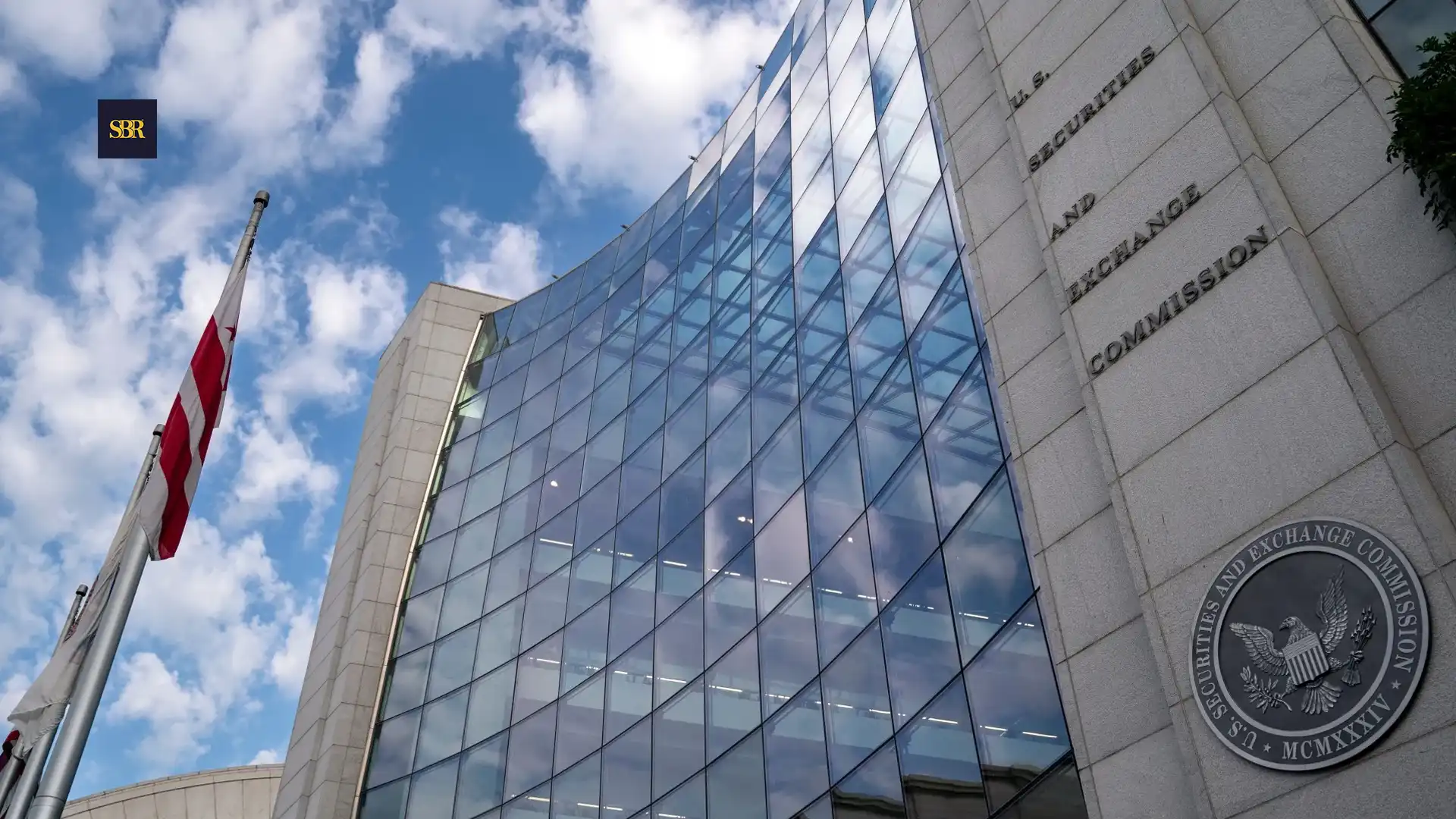
Institutional investors held roughly 94% of BXDC, leaving individual investors with a small share of ownership despite the trust’s public listing. The Securities and Exchange Commission has proposed measures to expand individual investors’ access to private investments, including arrangements associated with institutional and high-net-worth investors, such as hedge fund performance fees. Yet private funds can restrict withdrawals, and many investment structures were designed for large institutional commitments rather than millions of smaller retail investments. Andrew Tarver explained the mismatch: “The infrastructure behind these investments was built for a relatively small number of institutional investors making large commitments and not for millions of retail investors investing smaller amounts.”
Tarver compared the mechanics of some private investment systems to a “post office,” where transactions can require slower, manual processing. Jake Falcon distinguished publicly traded REITs from private funds: “Since they offer liquidity, I am not as opposed to them versus private funds,” he said. He also urged individual investors to study alternative investments carefully: “The individual investor needs to triple their understanding before investing in alternative funds.” Falcon added: “One should look at their overall portfolio and ask themselves if the investment they are considering is necessary for them to hit whatever goal they have for the money.” Before investing, individuals must consider redemption rules, fees, asset valuations, and whether the investment fits their financial needs and time horizon.
Data center investors must weigh expansion plans against uncertain returns, community opposition and the challenges of meeting AI infrastructure needs.









.webp)




