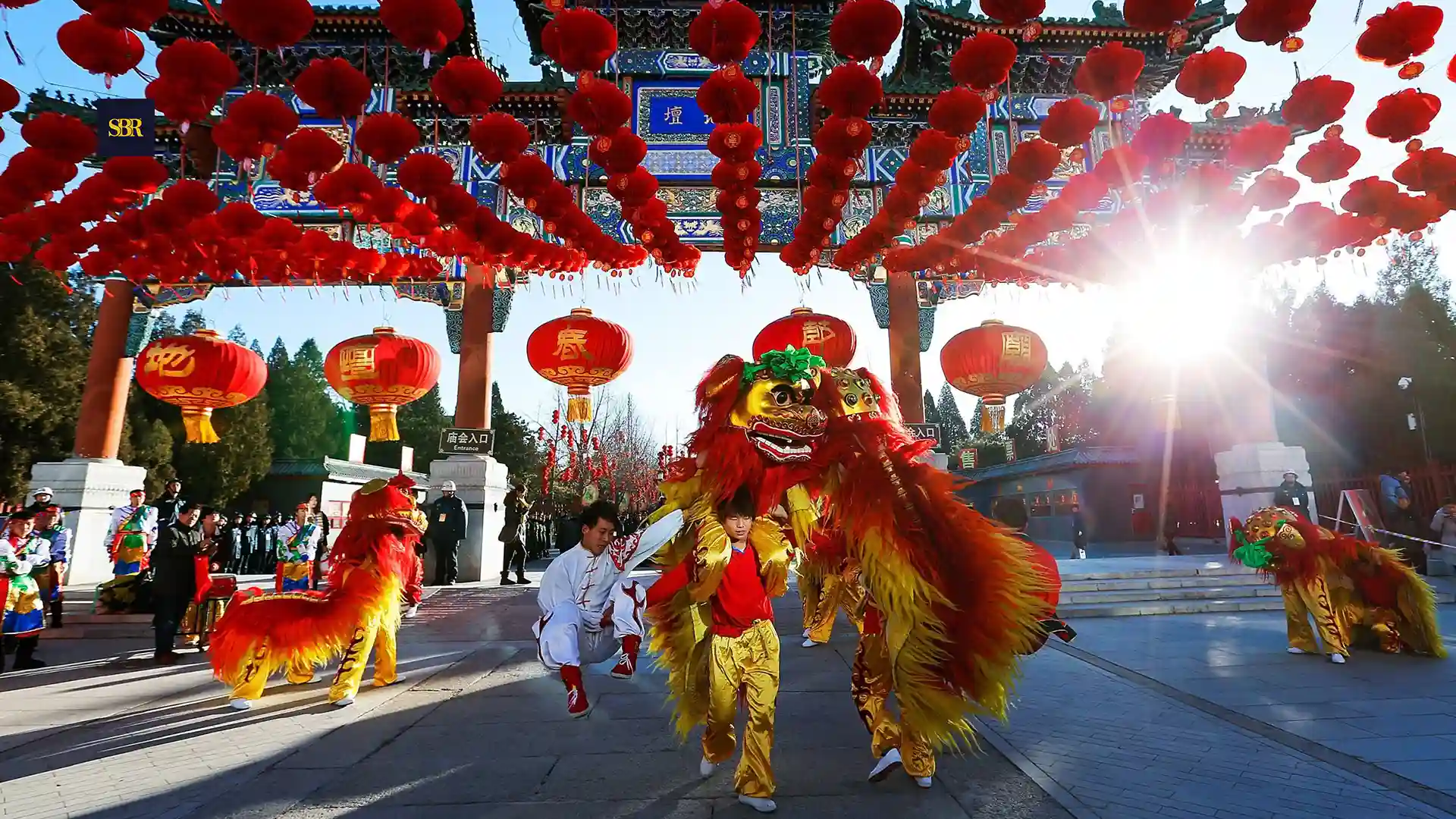
BEIJING, Feb. 2, 2026 — China’s Lunar New Year, or Spring Festival, travel period began on February 2, well ahead of the nine-day national holiday from February 15 to February 23. Authorities project roughly 9.5 billion passenger trips over the 40-day period, surpassing last year’s 9 billion journeys. The mass movement of people is fueling economic activity across transportation, hospitality, food, and leisure sectors. Airlines, high-speed rail operators, and bus networks are reporting early sellouts, highlighting the festival’s role as a major driver of domestic consumption and regional economic flows.
Airlines, Trains and Tourism See Early Demand
Travelers departing from major hubs such as Beijing, Shanghai, and Guangzhou encountered long lines and packed terminals, with many seeking alternatives after preferred routes sold out. Domestic flight bookings have exceeded last year’s levels, while high-speed train reservations are already at capacity on key routes. Tourism hotspots, including Huangshan, Quanzhou, and Foshan, are experiencing a surge in early bookings, and hotel occupancy rates in these regions are rising. Industry analysts note that the festival’s travel season boosts consumer spending, with households paying for transportation, dining, and local experiences, creating a ripple effect across multiple sectors of the economy.

Transport Networks Mobilize
Railway authorities have increased the number of high-speed train services on major corridors, while airlines have added flights where possible. Bus services linking urban centers with smaller towns and rural areas are operating at full capacity. Authorities are monitoring travel flows in real time to prevent bottlenecks, and additional staff have been deployed at airports and railway stations to manage passenger surges. This massive coordination not only supports the smooth movement of millions of travelers but also highlights the economic significance of the holiday, as every extra journey represents consumer spending in transport and hospitality industries.
Festivals and Spending Drive Local Economies
Cultural Attractions Fuel Tourism Revenue: Cities and towns hosting cultural fairs, seasonal exhibitions, and heritage tours are seeing higher visitor traffic, which translates into direct economic benefits. Restaurants, retail outlets, and entertainment venues experience increased demand as travelers participate in celebrations. Local governments and tourism boards are promoting trips to regions known for traditional crafts, local cuisine, and seasonal festivals, encouraging spending beyond major metropolitan areas. Analysts note that this movement of people and money supports regional economies and offers small businesses a significant seasonal lift.
Family Gatherings Spur Consumer Spending: Beyond tourism, family reunions play a key role in driving economic activity. Households spend on meals, gifts, transportation, and local services, which injects revenue into both urban and rural markets. Markets for seasonal food items, gifts, and festival-related products see sharp upticks in sales. Many local economies depend on this predictable surge, as it provides a temporary boost that offsets slower periods in other months. Economists say the combination of travel, hospitality, and festival spending illustrates how cultural traditions directly influence consumer behavior and economic patterns.
Traveler Experiences Reflect Economic Trends
For many travelers, the main priority remains family reunions, but the scale of movement demonstrates how cultural patterns translate into economic flows. Tickets for flights and trains often sell out weeks in advance, prompting families to spend more on alternative routes or private transport. Analysts highlight that the surge in holiday travel not only underscores domestic consumption but also reflects broader trends in urban-rural spending patterns, tourism demand, and transport-related economic activity.
The Lunar New Year travel rush illustrates the profound connection between cultural traditions and economic dynamics in China. Every journey, every meal shared on the road, and every hotel room booked contributes to a temporary but substantial boost to domestic economic activity, making the Spring Festival a pivotal period for both families and the economy.
Cities and towns hosting cultural fairs, seasonal exhibitions, and heritage tours are seeing higher visitor traffic, which translates into direct economic benefits.




.webp)