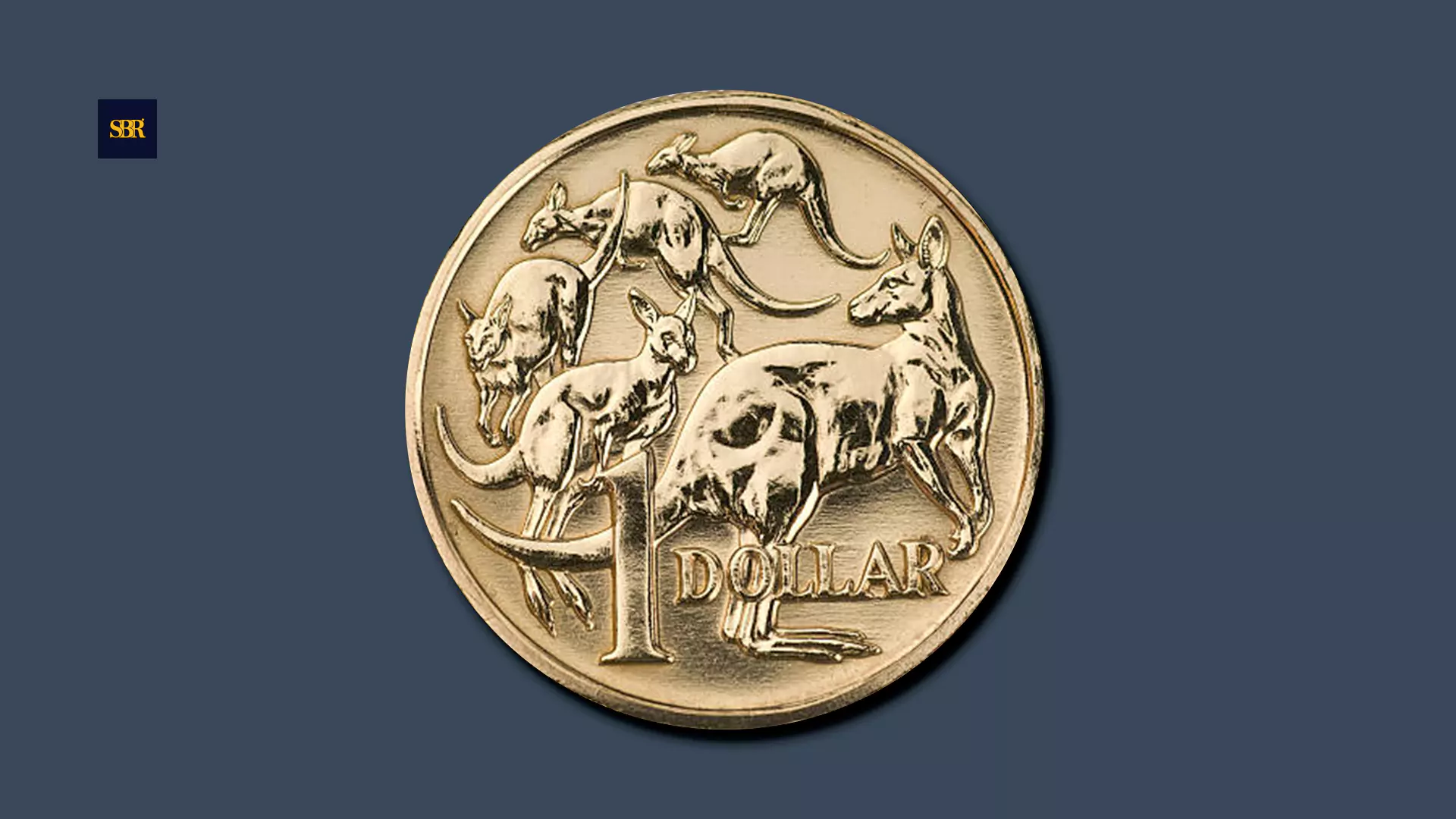
SINGAPORE / WASHINGTON, Oct. 20, 2025 — Australian dollar on Tuesday made significant gains during the Sydney session, shrugging off earlier losses to trade marginally higher following the release of the Reserve Bank of Australia’s, or RBA’s, latest meeting minutes.
The escalating U.S.-China trade tensions put the currency under pressure, which stabilised after the minutes highlighted the central bank’s focus on a data-dependent and patient approach, pushing back against market expectations for near-term rate cuts.
On Tuesday, Monetary Authority of Singapore, or MAS, maintained its monetary policy stance.
Singapore's central bank, on expected lines, kept its monetary policy settings unchanged, as the growth momentum in the city-state continued unabated despite challenges from U.S. tariffs. It kept the rate of appreciation of the Nominal Effective Exchange Rate Index, or S$NEER, policy band unchanged. Of 14 analysts polled by Reuters, 10 had expected the MAS to hold off making changes in its scheduled review on October 14.
Key Takeaways of RBA Meeting Minutes
Prolonged Policy Stability: Reiterating its cautious stance, RBA signalled that continuing domestic inflation and a tight labor market call for an extended period of policy stability.
This view was favoured by the recent economic data, including a stronger-than-anticipated second-quarter GDP print, driven by robust household spending on the back of positive real wage growth.
Concerns over upside risks to inflation were also highlighted by the minutes, noting that recent CPI readings exceeded forecasts due to stubbornly high services inflation and rising electricity costs.
Volatile AUD: A lot of credit goes to Australia’s labor market for remaining slightly tight, with the unemployment rate holding at 4.2 per cent and participation rates near historic highs. The central bank made a forecast that stronger demand could continue to fuel wage growth, potentially retaining the constant inflationary pressures and justifying its hold-and-see posture.
Australia’s trajectory will take cues from external factors such as the U.S.-China trade relations and the efficacy of China’s stimulus measures. While trading in a narrow range currently, the currency is poised for potential volatility in Wednesday’s session with the release of key Chinese inflation data.

Know More about Policy Rate Stance in Singapore
The Monetary Authority of Singapore, or MAS, said it will maintain the prevailing rate of appreciation of its exchange rate-based policy band. There would be no change to the width of the band or the level at which it is centred.
“Singapore’s economic growth has turned out stronger than expected and the output gap will remain positive in 2025 and come in around 0 per cent next year,” the central bank said in a statement.
OCBC economist Selena Ling told Reuters that the downside caused by U.S. President Donald Trump's tariffs is not as severely adverse as expected earlier.
“Tariff concerns, while lingering, have subsided slightly since April's ‘liberation day’,” Ling said. “Front loading has gone on longer, tariffs have come down from April levels, the U.S. economy has been a bit more resilient despite the slowdown.”
Policy was held steady by MAS in its last review in July after easing its reviews in April and January.
The decision came after government data projections of the economy faring better than expected, growing 2.9 per cent in the third quarter from a year earlier and better than expectations of 1.9 per cent, reported Reuters.
Growth forecasts for 2025 and 2026 are scheduled to be announced by the trade ministry in November, the MAS said.
OCBC’s Ling expects the economy to post growth of 3 per cent this year, “even if Q4 growth moderates to below 1 per cent year-on-year.”
Maybank economist Chua Hak Bin expressed optimism, expecting GDP to come in closer to 3.5 per cent, higher than his “already bullish GDP forecast of 3.2 per cent for the year.”
Exports from Singapore to U.S. are levied a 10 per cent baseline tariff, lower than tariffs imposed on its Southeast Asian neighbours, but sectoral tariffs, such as a 100 per cent tariff on branded drugs, are a concern.
In August, the government upgraded its GDP growth forecast for 2025 to 1.5 per cent to 2.5 per cent from 0.0 per cent to 2.0 per cent after a better-than-expected first-half performance.
Much of the credit goes to Australia’s labor market, which remains relatively tight, with the unemployment rate at 4.2 per cent and participation rates near historic highs.