Head trauma remains a persistent concern across contact and other impact-heavy sports. Concussions can be difficult to identify, while repeated sub-concussive hits may accumulate without producing symptoms that players, coaches, or medical staff immediately recognize.
Better measurement gives sports organizations more information about what happens during competition and training. Sensors can record head movements and hits, while cognitive assessments and symptom reporting add further information for medical staff evaluating an athlete’s condition.
Bearmind is a Swiss DeepTech company born from research at EPFL and dedicated to brain health monitoring in sports involving repeated head impacts. The company’s platform brings helmet-integrated sensing together with a clinically validated cognitive test, giving medical and performance staff data on head-impact exposure and cognitive performance throughout a season.
Measuring Head Hits in Real Time
Bearmind’s system uses a lightweight wearable unit weighing less than 20 grams that fits inside a player’s helmet. The device collects and stores measurements before transferring data wirelessly to Bearmind’s online services, allowing monitoring without requiring athletes to change their normal routines or add cumbersome equipment.
Real-time communication between the helmets and online platform gives medical and performance staff information about the severity and characteristics of individual hits. The system can identify players who require closer observation and provide detailed information about the events recorded during play, giving staff another source of information when assessing potential brain injury.
Linking Hit Data with Brain Health
Head-hit measurements provide one part of Bearmind’s system. A clinically validated cognitive test tracks performance across a season, while the company’s iOS application allows players to report concussion symptoms and overall wellbeing directly, creating another stream of information for medical staff.
Players retain control over who can access their data, while symptom reporting gives athletes a direct role in communicating changes in how they feel. Bringing physical measurements, cognitive performance and player-reported symptoms together can give medical staff more information when assessing an athlete after a head hit or monitoring recovery.
From Research to Professional Sport
Bearmind’s technology originated at EPFL’s Laboratory of Movement Analysis and Measurement, where algorithms for analyzing head movements and hits were researched. The company has also worked with scientific and medical research institutes to validate its technology and establish measurements with clinical relevance.
The company began with professional ice hockey and has worked with clubs in Switzerland, while its technology is adaptable to other sports involving repeated head hits. Bearmind’s stated customer base now extends across professional sports in Europe and North America, with applications spanning areas such as ice hockey, motorsports and skiing.
Expanding the Science of Concussion
Bearmind treats research as an ongoing part of its work. The company provides research partners with continuous raw measurements of head hits, allowing scientists and medical researchers to study the frequency, characteristics and accumulation of hits and contribute to a deeper understanding of concussion and repeated sub-concussive exposure.
The wider objective is to improve how sports organizations manage brain injuries, reduce the lasting consequences associated with repeated head trauma and help athletes maintain longer careers. By giving medical and performance staff more data while giving players greater control over symptom reporting, Bearmind is extending brain-health monitoring beyond the moment when a concussion becomes visible.
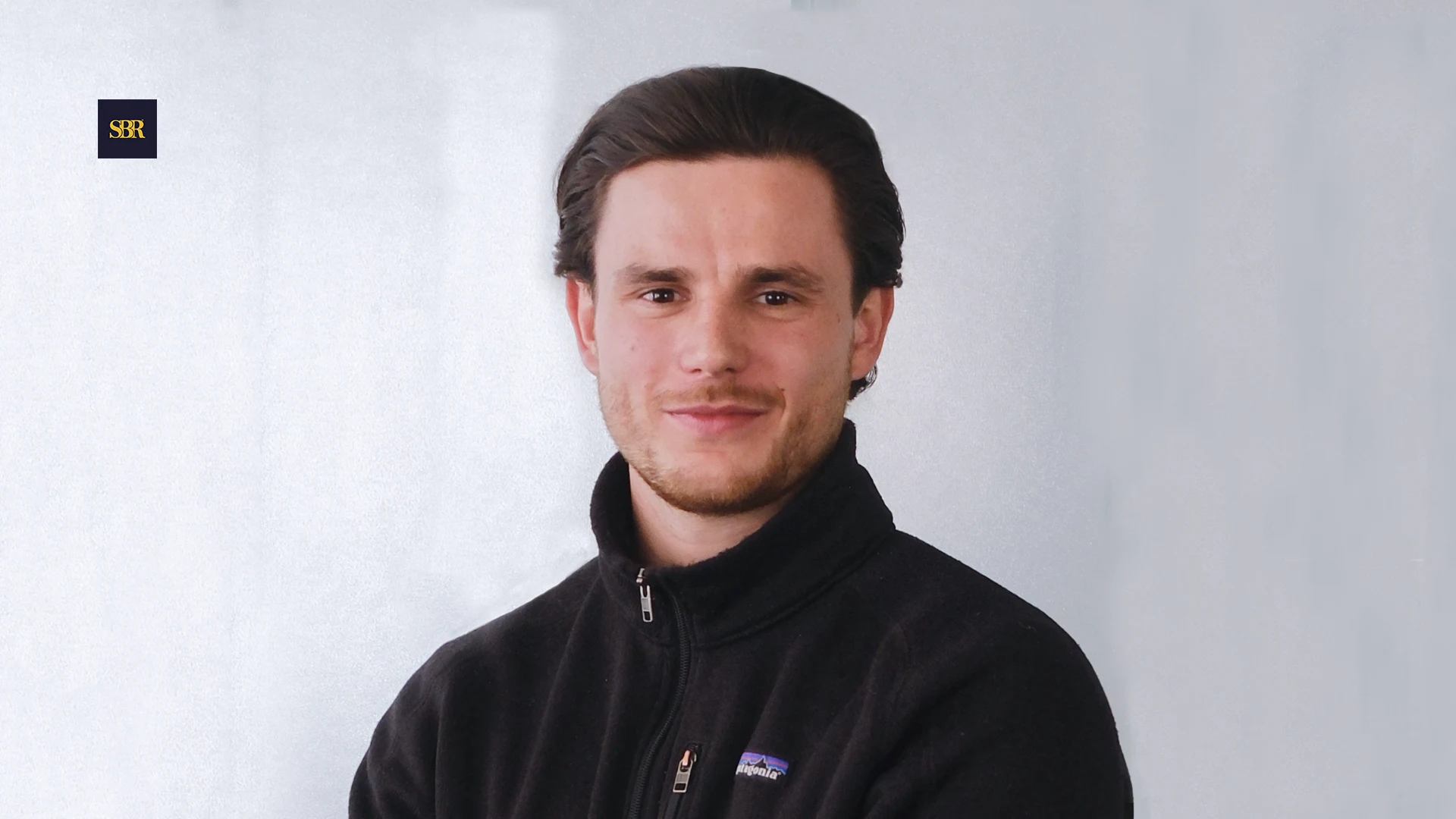
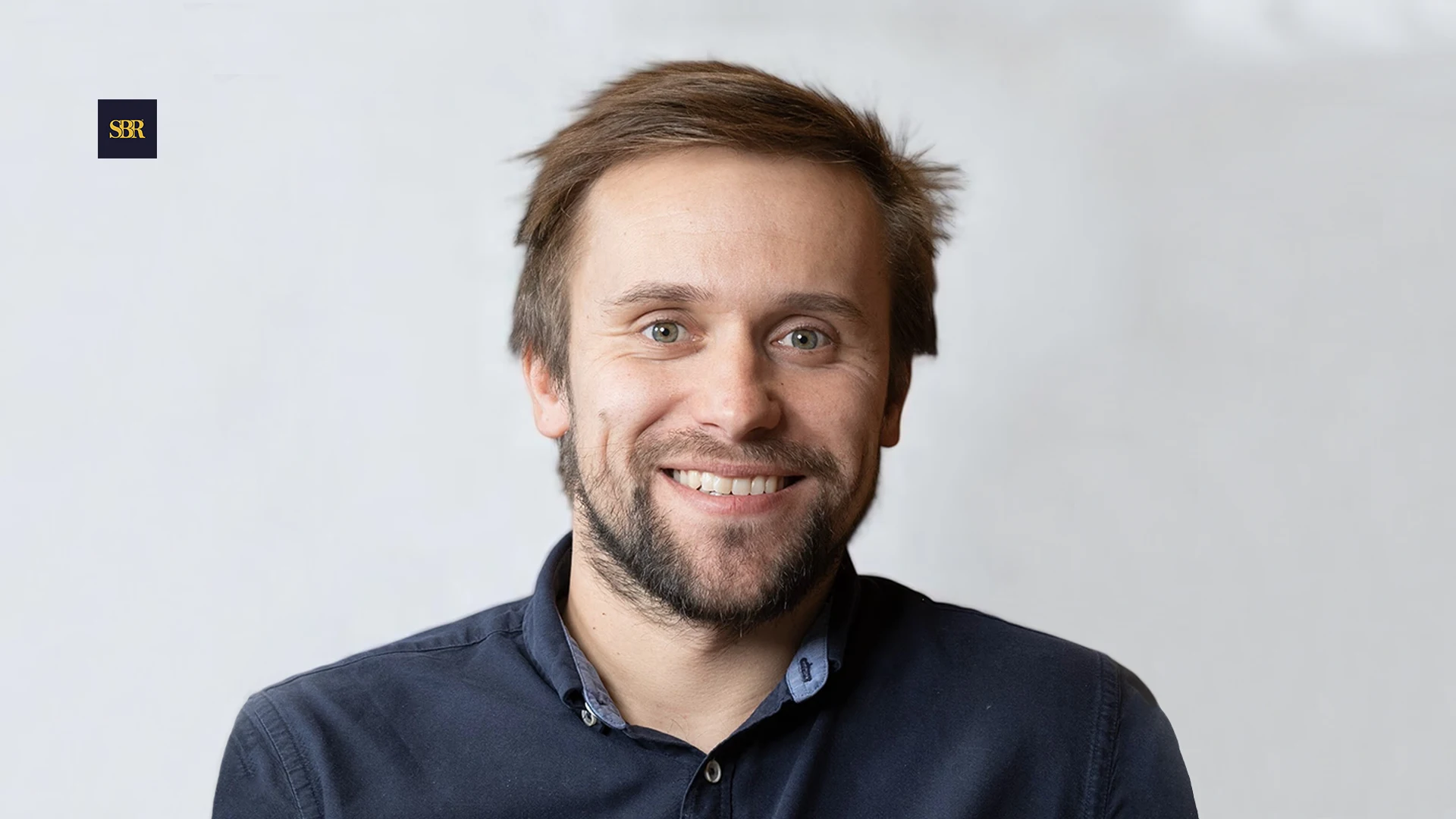
ABOUT | TOM-ALEXANDRE BERTRAND
Tom-Alexandre Bertrand is the COO and Co-founder of Bearmind, the Swiss DeepTech company focused on brain health monitoring in impact sports. An EPFL alumnus with a civil engineering degree, Bertrand has worked across operations, finance, fundraising, and commercial activities at the company. EPFL and Innovaud identify him as a co-founder and COO.
Bertrand co-founded Bearmind with Mathieu Falbriard, drawing on their backgrounds as athletes and engineers to address repeated head trauma in sports. At Bearmind, Bertrand oversees finance, operations, and fundraising while contributing to sales and customer relationships. His work also includes the commercialization of technology originating from EPFL research into wearable sensing for sports-related head trauma.