Keeping buildings, equipment, and outdoor spaces cool under direct sunlight can require significant amounts of electricity. Conventional heat-shielding and insulation materials can limit the amount of solar heat entering a space, but they do not actively remove heat that has already accumulated. SPACECOOL is taking a different route by using radiative cooling to send thermal energy away from surfaces and into outer space.
Founded in 2021, SPACECOOL is a Japanese climate-tech company that produces and sells radiative cooling materials. It uses a proprietary optical design and a multilayered structure to reflect solar radiation while releasing heat as infrared radiation through the atmosphere’s 8–13 μm ‘atmospheric window.’ This process can cool surfaces below ambient temperature without consuming electricity.
Reflecting Solar Heat and Releasing Thermal Energy
SPACECOOL’s material performs two functions simultaneously. Its heat-shielding layer reflects approximately 95% of solar radiation, reducing the amount of heat absorbed by the surface. At the same time, the material has approximately 95% emissivity, allowing thermal energy to be released as infrared radiation within wavelengths that can pass through the atmosphere.
The 8–13 μm range is known as the atmospheric window because radiation within these wavelengths passes through the atmosphere more readily than radiation at other wavelengths. SPACECOOL uses this property to convert thermal energy into infrared radiation and transmit it through the atmosphere toward outer space. The result is a cooling process that can operate under direct sunlight without electricity.
Cooling Without Electricity
The distinction from conventional heat-shielding materials is the second part of the process. Rather than only reducing incoming solar heat, SPACECOOL is designed to release thermal energy from the surface. The company describes the result as daytime, zero-energy cooling, with the material capable of reaching temperatures below the surrounding air under suitable conditions.
The technology has undergone field testing in different settings. An early demonstration conducted by Osaka Gas in 2020 recorded a surface temperature approximately 6°C below ambient temperature under direct sunlight. More recent testing has examined the material in structures and outdoor applications, providing data on both temperature reduction and potential energy savings.
From Films to Buildings and Outdoor Spaces
SPACECOOL has developed the material in several product formats, including film, magnet sheets, tarpaulins and architectural membrane materials. The company lists applications across buildings, outdoor equipment, temporary facilities, transportation and sun-protection products. This range allows the radiative cooling material to be incorporated into different surfaces and structures rather than requiring a dedicated cooling system.
One large-scale demonstration took place at the Japan Gas Association’s Gas Pavilion during Expo 2025 Osaka, Kansai. SPACECOOL material was incorporated into the pavilion’s outer membrane, and a joint study with Ritsumeikan University found that the material could reduce air-conditioning energy consumption by up to 40% compared with conventional membrane materials under the tested conditions.
Expanding the Market for Passive Cooling
SPACECOOL is moving its technology into commercial products as demand grows for ways to manage heat without adding to electricity consumption. In 2025, the company launched SPACECOOL Film (HD), a version with improved weather resistance and workability. The company states that the product has a weather-resistance lifespan of about 15 years, depending on the application environment.
The company has also raised capital to expand its business. In January 2025, SPACECOOL announced ¥900 million in funding from Pre-Series A and Series A rounds, with participation from new investors including Mirai Creation Fund III, managed by SPARX Asset Management, and MITSUI SUMITOMO INSURANCE Venture Capital. The funding was intended to help expand sales, research and development, and international business.
In 2026, passive radiative cooling materials were selected for the World Economic Forum’s Top 10 Emerging Technologies of 2026, with SPACECOOL featured as a company commercializing the technology. The recognition comes as the company develops products for buildings, outdoor spaces, transportation and other applications where reducing heat can also reduce the need for conventional cooling.
ABOUT | MASAHIRO SUEMITSU
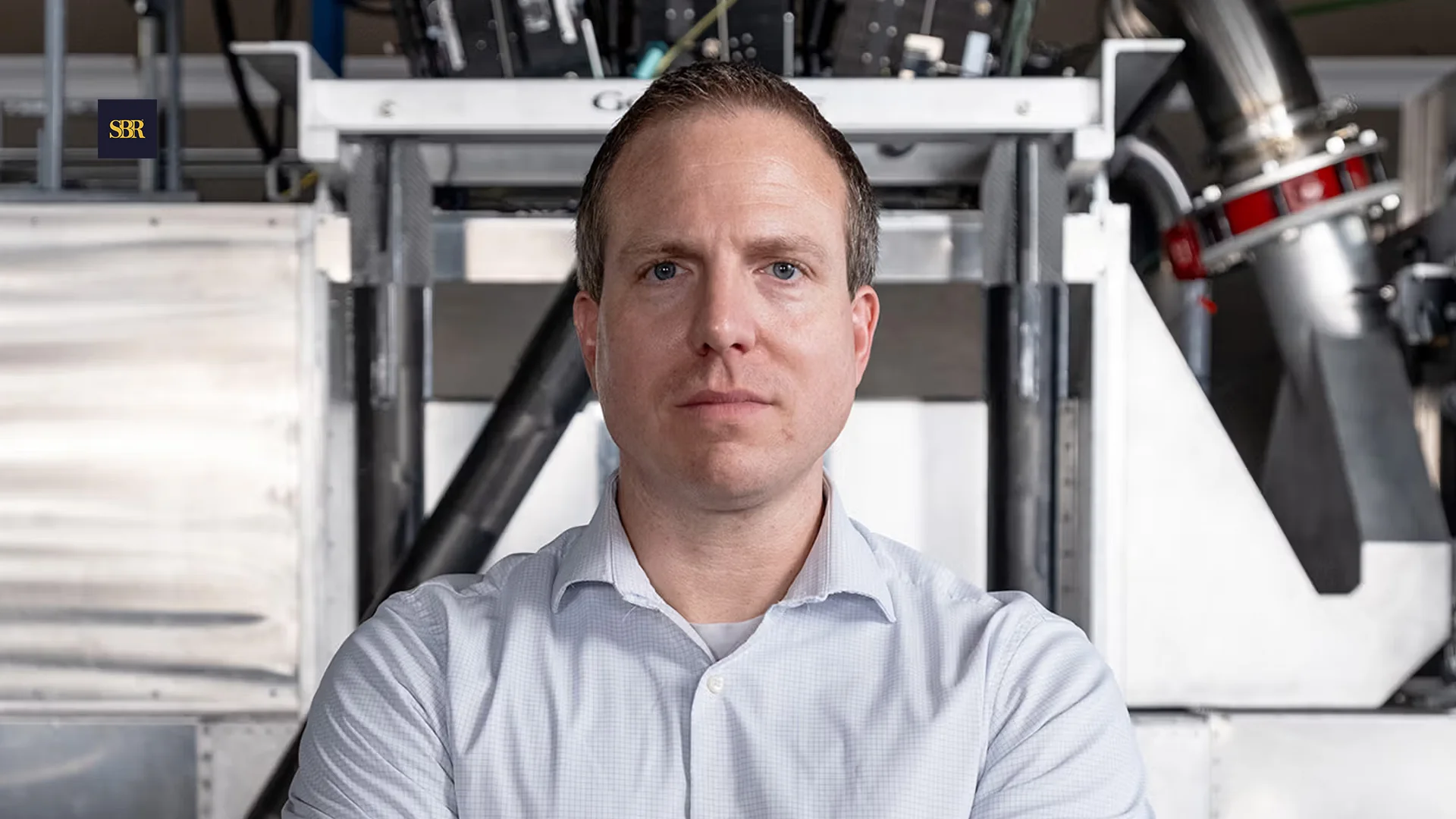
Masahiro Suemitsu, co-founder, is the CEO and CTO of SPACECOOL. After completing his studies at the Graduate School of Engineering at Osaka University, he joined Osaka Gas in 2012. In 2013, he began research and development in photonics, or optical engineering, and worked with Kyoto University on thermophotovoltaic power generation using photonic crystals. His research achieved thermophotovoltaic efficiency that exceeded the world record held by MIT at the time, with the results featured in Nature Photonics and other media.
Suemitsu earned his Ph.D. in Engineering from Kyoto University in 2019. He began research into the radiative cooling materials that later became SPACECOOL in 2017 while at Osaka Gas. He established SPACECOOL in April 2021 with investment from WiL and Osaka Gas and joined the startup as CTO. After leaving Osaka Gas in December 2023, he became CEO of SPACECOOL in April 2024. His honors include the SPIE Green Photonics Award, the Japan Society of Applied Physics Young Scientist Award, the Japan Venture Awards’ Minister of Economy, Trade and Industry Award, and the Energy Conservation Grand Prize.