
Conseleo is the BoardTech company behind Ask Leo, an AI-powered board intelligence platform designed to make board governance more efficient. The platform enables directors to find information in board papers, verify answers against original documents, and manage responsibilities such as meeting records, board actions, and continuing professional development (CPD). Conseleo serves corporate boards, financial services firms, charities, schools, and other types of boards, offering subscription options for individual directors and entire boards. The company prioritises accuracy, data privacy, and accountability in its board intelligence and management platform.
Conseleo is based in Andalucía, Spain.
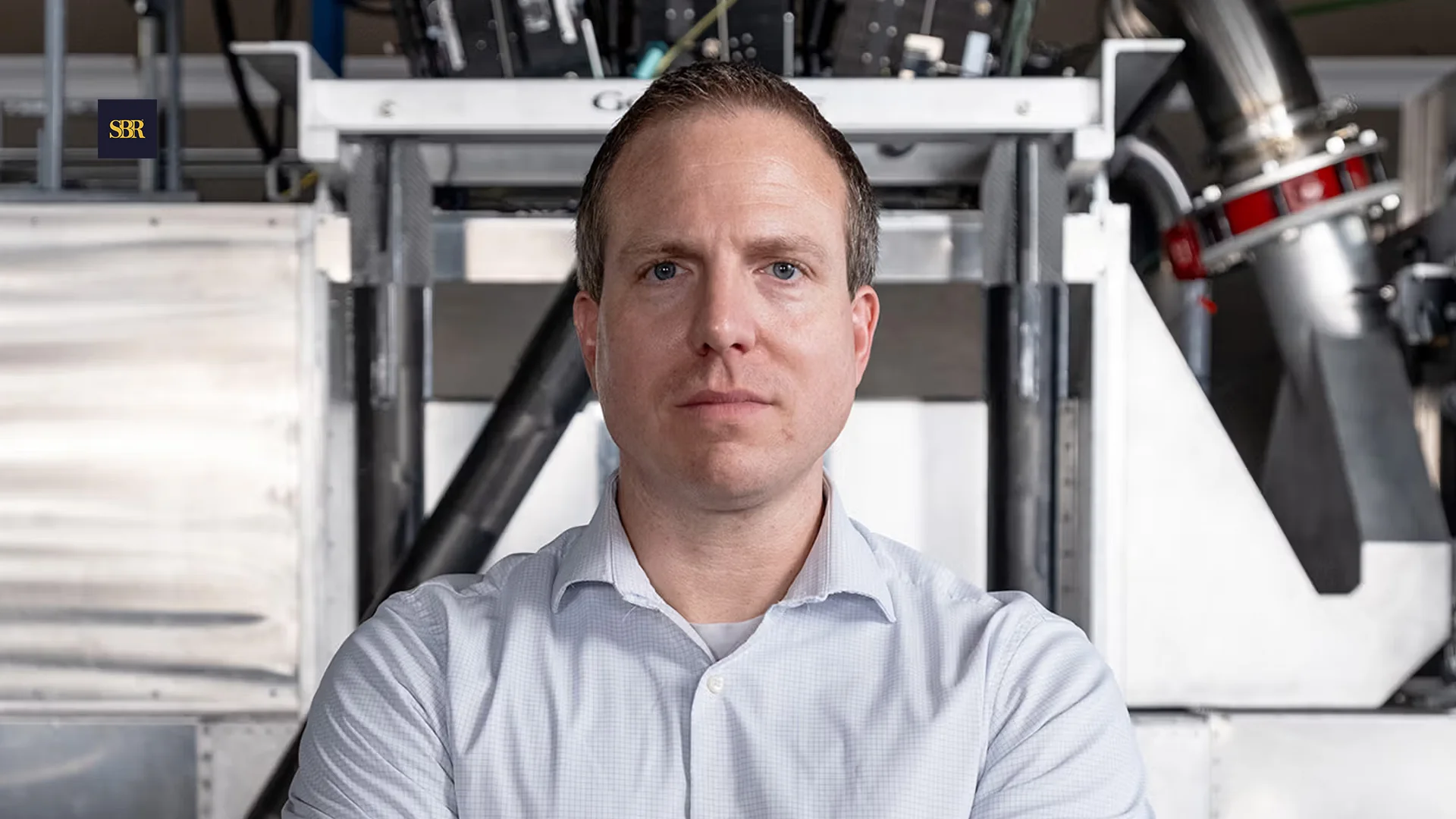
SME BUSINESS REVIEW reached out to Andy Wright, co-founder and CEO of Conseleo, for an interview to discuss the company’s vision, its AI-powered board intelligence platform, and its plans for the future of BoardTech. Here’s what Mr Wright had to say.
In Conversation with Andy Wright
Could you share the story behind the founding of Conseleo, including the vision, opportunity, and market need that influenced the company’s direction?
I have spent 27 years in insurance, much of it in and around boardrooms. One thing never changed. Directors carry personal accountability for their decisions, yet the information they rely on arrives in formats that make it hard to use well. Board packs are long and dense, and they often land close to the meeting. Too many of the tools built to distribute them are glorified PDF viewers.
Then generative AI arrived. For a busy director, the obvious shortcut is to paste confidential papers into a public chatbot. That tells you two things. The need is real, and the market is offering the wrong answer. A director does not need a machine that writes plausible text. A director needs to know what the papers actually say, and where.
So we founded Conseleo to build board intelligence on one principle: verification first. Ask Leo answers from your documents and cites the page, or it tells you it cannot answer. We are building the BoardTech category on that principle: technology built around how directors actually work, not around how documents are distributed. We go live in November 2026.
Conseleo was built by directors for directors. How did your own experience on both sides of the table influence what you built and how it works?
I have sat on both sides of the table. As an executive, including as Managing Director of Zego Insurance Ltd and as a Senior Manager within Tesla Insurance Europe’s German and UK branches, I was responsible for papers that went to boards and regulators. As a non-executive director, I am the one reading them. I know how much goes into a board pack, and how hard it can be for the reader to find what matters. That experience shaped three design decisions.
First, trust. A director is personally accountable, so they cannot rely on an answer they cannot check. Every answer points to its source. Second, restraint. If the papers do not say it, Ask Leo does not say it. Third, accountability. Directors, trustees and governors must be able to evidence their work: attendance, actions, continuing professional development. We built those records into the platform instead of leaving them in spreadsheets.
We built Conseleo for everyone who sits on a board, from a 25-year-old tech founder to a long-serving chair. Plain language in. Plain language out.
How does Conseleo help directors find the information they need in their board packs and trace each answer back to the relevant page?
A director asks a question in plain language. What does the finance report say about reserves? What changed in the risk register since last quarter? Which actions are overdue? Ask Leo searches the papers and returns an answer with a citation to the exact document and page, so the director can go straight to the source and read it in context.
No citation, no answer. That matters because a director’s job is not to accept a summary. It is to test it. Ask Leo gets you to the right page fast, so your time goes on judgement and challenge rather than searching.
How does Conseleo protect the confidentiality of board materials, and how does it ensure that customer data remains private and is not used for model training?
Board papers are among the most sensitive documents any organisation produces. We designed around that from day one.
Conseleo runs on self-hosted, open-weight AI models on European infrastructure, with European providers. We make no calls to third-party AI services, so your papers are never sent to someone else’s model. Our secure vault follows a zero-access model. Put simply, we will not see your data. Customer documents are never used to train models, ours or anyone else’s.
We are doing the formal work too. We are working towards ISO 27001 certification and Cyber Essentials.
Data security is a principle for us, not a compliance checkbox.
What makes Conseleo different from the general-purpose chatbots that directors may use today?
General-purpose chatbots are built to generate. They can give you a fluent answer whether or not it is true, and they can draw on the open internet as readily as on your papers. For a director, that is a liability, not a convenience.
Ask Leo is built to verify, not to generate. It answers only from your documents, and it cites the page. It also sits inside a platform built for board work: meeting attendance and quorum, board actions, mapping to regulated roles, and CPD logging with exportable evidence. That is the difference between a chatbot and BoardTech.
Then there is confidentiality. A public chatbot is the wrong place for a board pack. Conseleo was built to be the right one.
How does Conseleo handle questions when the answer cannot be found in a board pack?
It tells you. Ask Leo is built not to fill a gap with a guess. If it cannot find the answer in the papers, it says so.
We see that as a feature, not a failure. A gap in the board pack is useful information. It may be exactly the question to put to management at the meeting. A confident wrong answer is the most dangerous thing an AI can give a director. A clear “I cannot find that in the papers” is one of the most useful.
What types of boards and directors can use Conseleo, and how does it fit into their existing board processes?
Conseleo is sector agnostic. It is built for non-executive and executive directors, company secretaries, trustees and governors. They sit on corporate boards, boards in regulated financial services, charities, schools, right-to-manage companies and smaller businesses.
There are two ways in. Individual subscriptions, Personal Essentials for someone on one board and Personal Executive for those on several, give a director a secure workspace to interrogate their papers and log CPD. Board subscriptions, in Essentials, Executive and Enterprise tiers, add board-level features such as attendance and quorum, board actions and mapping to regulated roles.
The pack is still the pack. Conseleo does not change what boards produce. It makes it faster to read, easier to check and simpler to evidence.
What are Conseleo’s priorities for the next five years?
Our five-year ambition is to lead BoardTech as a category, with verification at its core. Three priorities get us there.
First, launch well. We go live in November 2026, starting with individual directors and smaller boards, ready to use with no customisation. Then we build out to larger boards and enterprise customers.
Second, go deeper into what directors are personally accountable for. Board papers are only part of a director’s duties. We want Conseleo to support the rest of the job.
Third, international reach. We start in the UK and in English-speaking business hubs, including Gibraltar, Malta, the Channel Islands and the Isle of Man, North America and Africa. Then we’ll expand into other languages and markets.
Throughout, verification first stays non-negotiable, and we intend to keep growing on our own revenue.
Is there anything else about Conseleo’s vision, offerings, or future plans that you would like our readers to know?
How we run the company matters as much as what we build.
We do not ship until it is ready. Directors put their reputations behind what they read, so nearly right is not good enough. We don’t push for a release early.
We design for our customers, not for the thrill of building. We have recruited three board advisors, experienced directors and industry leaders, so our customers have a seat at the table while we design.
Decisions are made collectively. Everyone challenges everyone, including me, and they do it fairly. That sits within a principle we call Radical Fairness: every decision must be fair to our team, fair to our community, and fair to our customers. We will share the specific commitments behind it next year.
When a director uses Ask Leo, they get an answer they can check, or an honest “I cannot find that.” That is the standard we hold ourselves to, and the standard we build to.
ABOUT | ANDY WRIGHT
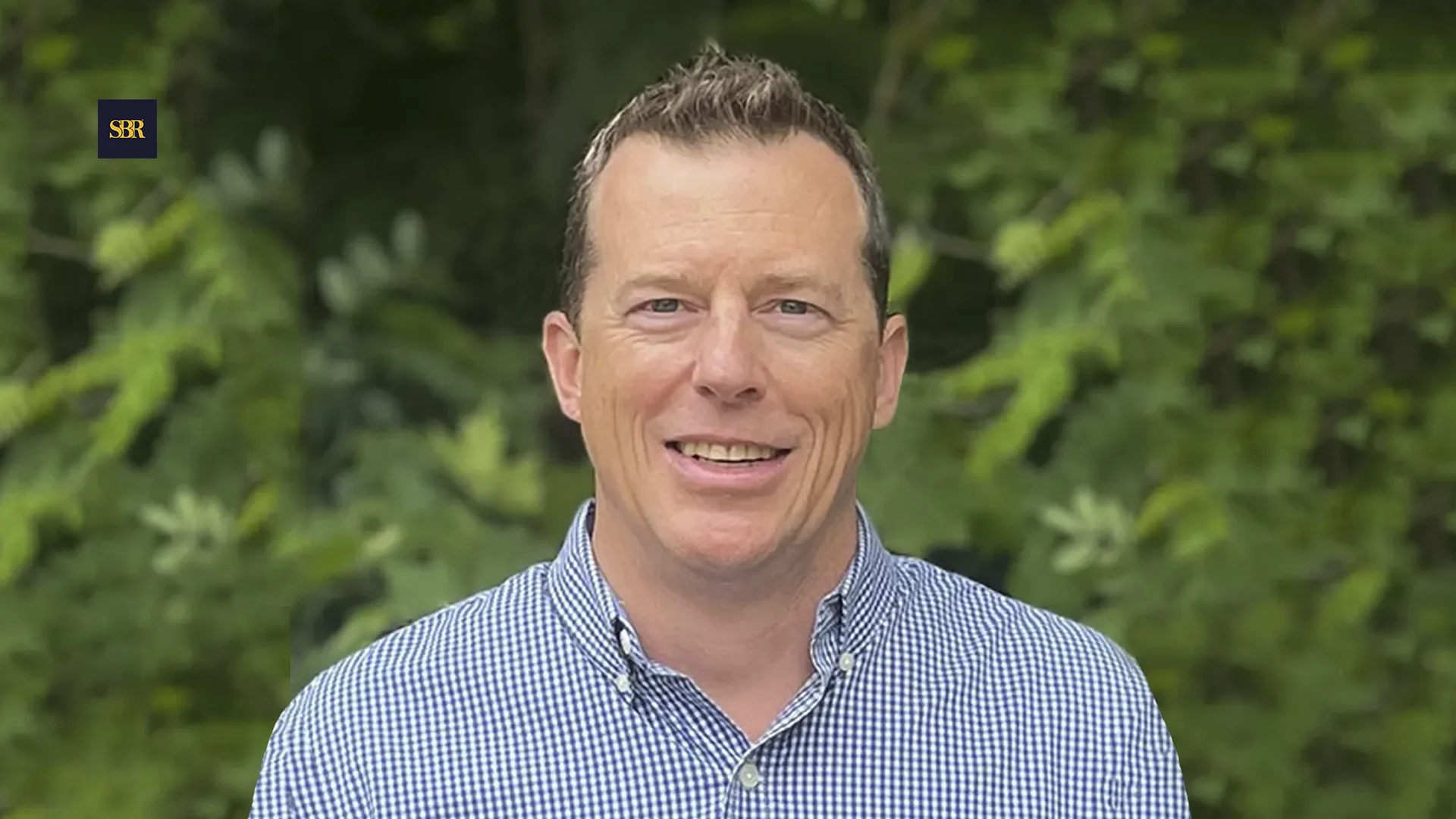
Andy Wright, co-founder, serves as the CEO of Conseleo. He brings 27 years of insurance experience across the UK, Germany and Gibraltar, working with or alongside Aviva, Allianz, Zego and Tesla.
As Managing Director of Zego Insurance Ltd, he led a reorganisation that secured four regulatory approvals in 10 months. He was also Branch CEO of Tesla Insurance Europe’s German and UK branches, and has built businesses in the insurance market, including a managing general agent (MGA).
Andy serves as a non-executive director at Zego, so he knows the boardroom from both sides. He is currently writing Insurance Decoded, a series of plain-language guides to insurance principles.









.webp)